
Brown Eggs vs White Eggs : Comparing Nutrition, Baking Performance, and Cost Differences
Nutritional Comparison Based on Shell Color
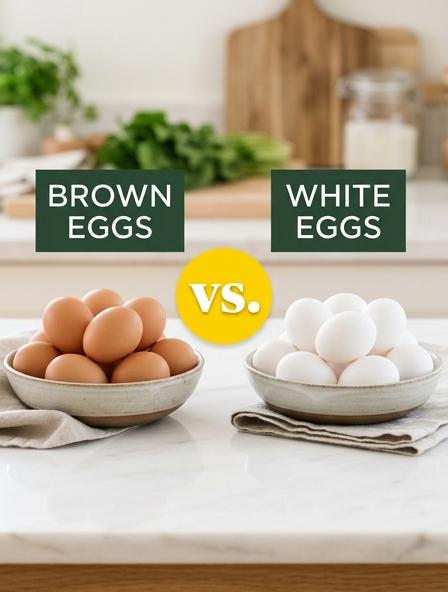
A common misconception in the culinary world is that shell color dictates the nutritional density of an egg. In reality, the color is determined primarily by the breed of the hen. For instance, White Leghorn chickens produce white eggs, while breeds like Rhode Island Reds lay brown ones. From a biological standpoint, the internal composition of the egg remains virtually identical regardless of the external pigment.
- Macronutrients: Both varieties contain roughly 6 grams of protein and 5 grams of fat.
- Vitamins: Levels of Vitamin D, B12, and riboflavin are consistent across shell colors.
- Minerals: Essential minerals like selenium and phosphorus are found in equal measure.
While environmental factors such as the hen's diet and sunlight exposure can influence yolk color and Omega-3 content, the shell color itself is merely aesthetic. You might prefer the rustic, farmhouse look of brown eggs for your specialty avocado toast, but your body receives the same high-quality nutrients from a white egg.
Impact of Hen Breed on Baking Results
The primary difference between brown and white eggs lies in the genetics of the hen. For example, White Leghorns produce white eggs, while Rhode Island Reds produce brown ones. Despite the visual variation of the shell, the breed of the hen does not fundamentally change the egg's internal composition, protein quality, or leavening capabilities in the kitchen.
- Protein Structure: Identical in both colors, ensuring consistent crumb texture.
- Fat Content: The yolk-to-white ratio remains stable across standard breeds.
- Moisture: Both provide the necessary hydration for doughs and batters.
In high-stakes baking, shell color is purely aesthetic and has no scientific impact on the final rise or flavor profile of your pastries. Professional pastry chefs often prioritize freshness over shell color, knowing that a farm-fresh brown egg will yield the same lofty souffle or golden-brown cookie as its white counterpart.
Flavor Profiles across Different Poultry Varieties
While many consumers believe shell color indicates quality, the difference between brown and white eggs is primarily genetic. The flavor profile of an egg is actually determined by the bird's diet and freshness rather than the pigment of the shell. However, when exploring different poultry species, the culinary characteristics shift significantly due to varying fat contents and yolk-to-white ratios.
- Chicken Eggs: Offer a mild, versatile flavor regardless of being brown or white.
- Duck Eggs: Feature a much richer, creamier taste with a higher fat concentration.
- Quail Eggs: Small in size but pack an intense, slightly gamey flavor profile.
The nutritional intake of the bird dictates the vibrance of the yolk and the depth of the flavor. You might prefer the robust, golden yolk of a pasture-raised brown egg for your Sunday brunch because it reflects a high-quality diet of seeds and insects.
Visual Appeal in Plated Breakfast Dishes
When it comes to culinary presentation, the choice between brown and white eggs often depends on the desired aesthetic of the meal. While the internal quality remains consistent, the exterior shell color sets a specific tone for the diner's experience. Chefs and home cooks alike consider how the shell color interacts with the dinnerware and the overall theme of the breakfast spread.
- Brown Eggs: Evoke a rustic, "farm-to-table" feel, perfect for country-style breakfasts or artisanal brunch displays.
- White Eggs: Provide a crisp, minimalist look that emphasizes clean lines and a modern, high-end presentation.
Ultimately, the shell serves as the first visual touchpoint before the egg is cracked. You might choose a deep brown egg to complement a hand-carved wooden serving board or a stark white egg for a sleek porcelain plate to create a sophisticated, high-contrast morning meal.
Mineral Composition across Various Pigments
Research confirms that the mineral composition of an egg is independent of its shell pigment. Whether the shell is white, brown, or even blue, the internal concentrations of essential minerals remain virtually identical. The primary structural component of all eggshells is calcium carbonate, while the pigments-like protoporphyrin IX found in brown eggs-are deposited only in the outermost layers during the final stages of formation.
- Calcium: The dominant mineral providing structural integrity to all shell types.
- Potassium: Found consistently within the egg white (albumen) regardless of breed.
- Phosphorus: Heavily concentrated within the nutrient-dense yolk of both varieties.
While environmental factors and hen diet can cause slight fluctuations in trace elements, the genetic breed of the hen does not inherently change the core nutritional value. Fitness enthusiasts often prefer stocking up on whichever carton is most affordable, knowing that the protein and mineral payoff remains exactly the same whether they are cracking open a white or brown shell for their post-workout meal.
Yolk Consistency and Structural Integrity
When comparing brown eggs and white eggs, research confirms that shell color has no direct impact on the internal quality, yolk consistency, or structural integrity of the egg. The thickness of the yolk and the strength of the vitelline membrane are determined by the age of the hen and the freshness of the egg rather than the breed's pigment. However, many people perceive a difference based on these factors:
- Freshness: Newer eggs have firmer, more upright yolks that resist breaking.
- Diet: Hens fed high-quality forage or flaxseed often produce more viscous yolks.
- Storage: Proper refrigeration maintains the protein structure of the whites and the roundness of the yolk.
Regardless of color, the chemical composition of the yolk remains virtually identical across various breeds when raised in similar environments. You might choose a deep-brown pasture-raised egg for your morning poached dish, specifically seeking that rich, jammy yolk consistency that comes from a hen's nutrient-dense diet.
Cost Performance for Family Meal Budgets
When managing a tight grocery budget, the price difference between brown and white eggs is a key consideration. Brown eggs are often marketed as a premium product, but their higher cost typically stems from the fact that the hens laying them are larger and require more feed. From a nutritional standpoint, there is no significant difference in protein, vitamins, or minerals between the two.
To maximize your household savings, evaluate these cost-performance factors:
- Price per Dozen: White eggs are consistently cheaper due to lower production overhead.
- Nutritional Parity: Both colors provide identical health benefits for growing families.
- Culinary Versatility: Neither color affects the taste or texture of your recipes.
You may prefer grabbing the budget-friendly white eggs for your Sunday morning pancakes, allowing you to allocate those extra savings toward fresh produce or other pantry staples.
Health Markers and Vitamin Density
Scientific research indicates that shell color has no bearing on the nutritional quality or health benefits of an egg. Whether brown or white, the protein content, cholesterol levels, and caloric density remain virtually identical because these markers are determined by the hen's diet rather than its genetics.
- Vitamin Profile: Both provide essential B12, Vitamin D, and Riboflavin.
- Minerals: Consistent levels of Phosphorus and Selenium are found across both types.
- Omega-3s: Higher density only occurs if the hen is fed a specialized, enriched diet.
The perceived "healthiness" of brown eggs is often a marketing byproduct, as the actual vitamin density depends on the hen's environment and feed quality rather than shell pigmentation. Many fitness enthusiasts reach for a carton of white eggs during meal prep to secure the same muscle-building amino acids found in brown eggs while saving on their weekly grocery budget.
Shell Thickness and Storage Longevity
A common misconception is that brown eggs possess thicker shells or a longer shelf life than white eggs. In reality, shell thickness is determined by the age and diet of the hen, not the color of the pigment. Younger hens typically lay eggs with harder, thicker shells, while older hens produce larger eggs with thinner walls. Regarding longevity, both brown and white eggs remain fresh for the same duration when stored under identical conditions.
Several factors influence the structural integrity of the shell:
- Hen Age: Pullets (young hens) produce the sturdiest shells.
- Nutrition: Adequate calcium and Vitamin D intake are essential for shell strength.
- Storage Environment: Consistent refrigeration is the primary factor in preserving freshness.
Home bakers often prefer sourcing eggs from younger flocks because the sturdier shells provide a clean, sharp crack, ensuring no tiny fragments end up in their delicate pastry dough.
Aesthetic Influence on Traditional Recipes
While the nutritional profile remains identical between brown and white eggs, their visual appeal plays a significant role in the narrative of a dish. In traditional cooking, the choice of shell color often aligns with the desired culinary atmosphere. Many chefs select eggs based on how the raw ingredients complement the kitchen's aesthetic or the heritage of the recipe being prepared.
- Brown Eggs: These are frequently associated with "farm-to-table" movements, evoking a rustic, artisanal, and wholesome feel.
- White Eggs: These are often perceived as the standard for precision baking and minimalist plating due to their clean, uniform appearance.
Ultimately, the shell acts as a visual cue for the consumer, even though the internal quality is determined by the hen's diet rather than the color of the egg. Many home cooks prefer placing a dozen speckled brown eggs in a wire basket on a farmhouse table to instantly elevate the cozy, organic atmosphere of a Sunday family brunch.
Brown Eggs vs White Eggs source and external links
- Brown Eggs are typically laid by hen breeds with red earlobes and possess the same nutritional profile as white-shelled eggs.
- White Eggs are generally produced by chickens with white earlobes and are the most common variety found in grocery stores.