
Brown Egg vs White Egg : Are They The Same? Nutritional Profiles, Cooking Performance, and Yolk Quality
Nutritional Profiles of Different Shell Colors
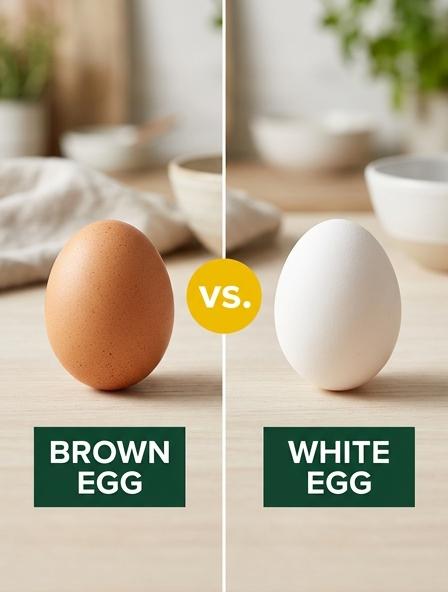
A common misconception is that brown eggs are more natural or nutritionally superior to white eggs. However, extensive research confirms that shell color is purely a result of genetics. The breed of the hen determines the pigment; for instance, Leghorns lay white eggs, while Rhode Island Reds produce brown ones.
- Protein: Both provide approximately 6 grams of high-quality protein.
- Vitamins: Both are rich in Vitamin D, B12, and Riboflavin.
- Fats: Both contain similar levels of healthy unsaturated fats.
The actual nutrient density, such as Omega-3 levels or Vitamin A content, is dictated by the hen's diet and sunlight exposure rather than the shell's exterior hue. You might prefer the rustic look of brown eggs for your Sunday brunch photos, but your body processes the same essential nutrients regardless of the color you crack open.
Hen Breed Influence on Yolk Richness and Texture
The primary distinction between brown and white eggs is rooted in the hen's genetics. Generally, hens with white feathers and earlobes, such as Leghorns, lay white eggs, while those with red earlobes, like Rhode Island Reds, lay brown eggs. Despite common myths, the breed itself does not inherently dictate the richness of the yolk or the viscosity of the egg white.
Instead, the sensory qualities that consumers often associate with shell color are actually driven by the bird's environment and nutrition. Key factors include:
- Dietary Intake: Feeds rich in carotenoids create deeper orange pigments.
- Freshness: Newer eggs possess firmer whites and more centered yolks.
- Hen Age: Older hens tend to lay larger eggs with thinner shells.
While science suggests the color is just a shell-deep trait, You might find yourself reaching for the rustic brown eggs when you want that specific "country-style" aesthetic for a gourmet weekend brunch.
Performance Variations in High Heat Cooking
When subjected to high temperatures, such as frying, searing, or intensive baking, brown and white eggs demonstrate identical culinary performance. The chemical composition of the proteins within the albumen and yolk does not change based on shell pigment, which is determined solely by the breed of the hen. Both varieties undergo denaturation and coagulation at the same thermal thresholds, meaning their structural integrity remains consistent across various cooking methods.
| Cooking Metric | Brown Egg Result | White Egg Result |
|---|---|---|
| Coagulation Point | 62°C - 70°C | 62°C - 70°C |
| Maillard Reaction | Consistent browning | Consistent browning |
Home cooks often find that achieving the perfect "lacey" crispy edge on a fried egg depends entirely on the oil temperature and pan type, regardless of whether the shell they cracked was brown or white.
Shell thickness and its impact on storage
Eggshell thickness is primarily influenced by the age and diet of the hen rather than the color of the shell. Younger hens typically produce eggs with thicker, more robust shells, which serve as a natural barrier to preserve internal freshness. The structural integrity of the shell is critical for long-term storage and quality maintenance.
- Moisture Retention: Thicker shells reduce the rate of evaporation, keeping the egg from drying out.
- Bacterial Defense: A dense shell provides a stronger shield against environmental pathogens and contaminants.
- Mechanical Strength: Increased thickness prevents micro-cracks during transport, which can lead to rapid spoilage.
While brown and white eggs offer the same nutritional profile, the perceived sturdiness of a shell often influences consumer trust in product longevity. You might find yourself reaching for the thick-shelled brown eggs at a local farm stand when you need a reliable batch for long-term refrigeration or a sturdy option for your outdoor camping brunch.
Consistency in Baking and Leavening Results
When it comes to the science of baking, the color of an eggshell is purely cosmetic and has no impact on the final product. The internal composition-the ratio of water, protein, and fat-remains identical regardless of whether the hen has white or brown feathers. This means the leavening power and structural integrity provided by the egg proteins are consistent across both varieties.
- Protein Quality: Both colors offer the same albumin strength for stable foams.
- Fat Content: Yolk lipids, crucial for tenderizing, do not vary by shell color.
- Moisture Levels: Hydration ratios remain uniform, ensuring dough consistency.
Because the chemical properties are the same, professional bakers treat them as interchangeable ingredients, focusing instead on size and freshness. You can reach for whatever is in your refrigerator when whipping up a delicate chiffon cake, knowing that the structural rise and golden crumb will be identical every single time.
Protein Quality Across Various Farm Varieties
When comparing brown and white eggs, scientific analysis confirms that shell color has no direct impact on protein quality or concentration. Both varieties provide approximately 6 grams of high-quality protein containing all nine essential amino acids. The perceived differences in nutritional value often stem from the hen's environment and diet rather than genetic pigment variations.
- Conventional: Standard protein levels derived from controlled grain feed.
- Pasture-Raised: Often higher in omega-3s, yet maintaining identical protein structures.
- Organic: Focuses on chemical-free sourcing without altering the core amino acid profile.
Regardless of whether the shell is a deep mahogany or a bright white, the bioavailable protein remains the gold standard for human nutrition. Whether a fitness enthusiast is prepping a post-workout meal or a professional chef is looking for the perfect structural bind for a soufflé, they will find that both brown and white eggs perform with identical nutritional excellence.
Porosity differences and internal freshness retention
A common misconception is that brown eggs possess thicker shells or lower porosity than white eggs. Scientifically, shell color is a result of pigment deposition and does not inherently dictate the shell's structural permeability. The rate of internal freshness retention is primarily determined by the cuticle-a proteinaceous film that seals the pores to regulate moisture loss and carbon dioxide exchange.
Factors that actually impact egg porosity and shelf life include:
- Hen Age: Older hens typically lay larger eggs with thinner, more porous shells.
- Storage Conditions: Consistent refrigeration is the most critical factor in slowing the degradation of the egg's internal structure.
- Dietary Mineral Intake: Sufficient calcium and vitamin D levels in the hen's diet lead to higher shell density.
Pastry chefs often prioritize egg freshness over shell color, selecting the most recently laid eggs to ensure their delicate meringues maintain peak volume and structural stability.
Mineral density based on production methods
Scientific analysis confirms that eggshell color is a genetic trait determined by the hen's breed and does not inherently dictate mineral density. Instead, the production method-ranging from conventional caged systems to pasture-raised environments-is the primary driver of nutritional variation. While both brown and white eggs provide essential minerals like phosphorus, potassium, and calcium, the hen's diet and environment significantly influence the final micronutrient output.
- Pasture-raised: Often contains higher trace minerals due to soil foraging.
- Fortified Feed: Increases specific minerals like selenium regardless of shell color.
- Conventional: Provides standardized mineral levels through controlled, consistent diets.
Ultimately, the density of minerals like magnesium and iron depends more on the quality of the hen's lifestyle than the pigment of the shell. You might reach for organic, pasture-raised brown eggs when preparing a nutrient-dense breakfast for your family, valuing the enriched mineral profile that comes from natural foraging and sunlight exposure.
Visual appeal of yolk pigment in plated dishes
When choosing between brown and white eggs, it is important to note that shell color does not dictate the vibrancy of the yolk. The visual appeal of a yolk-ranging from a pale lemon to a deep, sunset orange-is purely a result of the hen's diet and its intake of carotenoids. In professional culinary environments, the intensity of this pigment is a key factor in the aesthetic success of a dish.
- Deep Orange: Created by diets rich in marigold petals or alfalfa.
- Golden Yellow: Produced by hens primarily consuming yellow corn.
- Pale Yellow: Common when the feed consists mostly of wheat or barley.
While the shell provides the first impression, the yolk's color is what defines the final presentation on the plate. You might opt for a high-pigment, amber yolk when serving a simple fried egg or a carbonara to ensure the rich color provides a luxurious contrast against your ingredients.
Economic Value for Daily Family Meal Planning
When optimizing a household food budget, understanding the cost-to-nutrition ratio of eggs is essential. Despite common misconceptions, there is no nutritional difference between brown and white eggs. The price premium often associated with brown eggs stems solely from the higher production costs of raising larger hen breeds that require more feed.
| Feature | White Eggs | Brown Eggs |
|---|---|---|
| Nutritional Content | Identical | Identical |
| Market Price | Budget-Friendly | Premium |
For families planning weekly meals, choosing white eggs provides the same high-quality protein and vitamins while significantly reducing grocery expenses. This efficiency allows for better allocation of funds toward other fresh produce or pantry staples without sacrificing diet quality.
Imagine a savvy shopper choosing a 30-count carton of white eggs for the week's breakfasts, saving enough money to add an extra bag of fresh spinach to the cart for a healthier family omelet.
Brown Egg vs White Egg source and external links
- Brown eggs are produced by specific breeds of hens with red earlobes and offer the same nutritional value as white eggs, as explained in this overview of brown eggs.
- White eggs are typically laid by chickens with white feathers and are the most common variety found in grocery stores; you can learn more about the production of white eggs online.