
Brown Egg vs Regular Egg: The Differences in Nutritional Profile, Culinary Performance, and Cost Efficiency.
Have you ever stood in the dairy aisle wondering if the premium price for brown eggs actually translates to better health? When exploring the debate of brown egg vs regular egg varieties, the reality is that their nutritional profile is virtually identical; the shell color is simply determined by the breed of the hen rather than its vitamin content. From a culinary performance standpoint, both options behave exactly the same in your pans and pastries, offering consistent texture and flavor. The primary difference lies in cost efficiency, as brown eggs often carry a higher price tag because the larger hens that lay them require more feed. Ultimately, your choice should depend on your personal budget rather than any perceived dietary superiority.
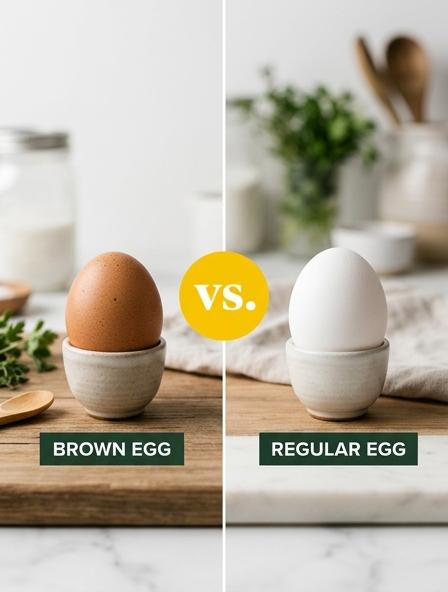
Nutritional Variance and Vitamin Density
Contrary to popular belief, the color of an eggshell is not a biomarker for its nutritional value. Both brown and white eggs provide a virtually identical array of vitamins, minerals, and high-quality protein. The primary factors influencing an egg's nutrient density are the hen's diet, age, and living conditions rather than the breed's pigmentation genetics.
- Vitamin A and Omega-3 fatty acids
- B-complex vitamins (B12 and Riboflavin)
- Essential minerals like Selenium and Zinc
While some studies suggest minor differences in shell thickness, the internal composition remains the same across standard commercial varieties. You might choose brown eggs because their rustic appearance complements your preference for organic-looking ingredients when preparing a farm-to-table breakfast for guests.
Baking Results and Structural Integrity
In the culinary arts, the distinction between brown and regular white eggs is purely aesthetic. Scientifically, both varieties offer identical functional properties, providing the same structural integrity to cakes, cookies, and breads. The protein composition in the albumen and the fat content in the yolk do not vary based on shell color, which is determined solely by the breed of the hen.
| Functional Attribute | Brown Egg | White Egg |
|---|---|---|
| Leavening Power | Equal | Equal |
| Binding Capability | High | High |
| Fat-to-Protein Ratio | Consistent | Consistent |
Professional pastry chefs often choose eggs based on freshness or price rather than color, knowing that a delicate chocolate soufflé will rise to the same majestic height whether the shell was brown or white.
Cost Efficiency and Household Budget Impact
When comparing brown eggs versus regular white eggs, the most visible difference is the price point. Brown eggs often command a premium, but this cost hike is rarely about nutritional superiority. Instead, it reflects the production expenses associated with the hens. Larger breeds, which typically lay brown eggs, consume more feed to produce the same quantity of eggs as smaller, white-laying breeds.
- Feed Conversion: White-laying hens are more efficient at turning feed into eggs.
- Market Perception: Brown eggs are often marketed as "natural," driving higher demand.
- Nutritional Parity: Both varieties offer identical protein and vitamin content.
For a budget-conscious household, choosing white eggs is a strategic way to reduce grocery expenses without compromising on health. Consider a busy parent who switches to white eggs for daily school-day breakfasts, successfully lowering their monthly food bill while still providing the exact same high-quality protein for their growing children.
Hen Breed Influence on Shell Characteristics
The primary factor determining eggshell color is the genetic makeup of the hen. While consumers often distinguish between "brown" and "regular" white eggs, the difference is strictly biological. During the final stage of egg formation, specific breeds deposit pigments-such as protoporphyrin IX-onto the calcium carbonate shell.
- White Leghorns: The most common breed for producing standard white eggs.
- Rhode Island Reds: A popular breed known for laying classic brown eggs.
- Marans: Famous for producing exceptionally dark, chocolate-colored shells.
Scientifically, shell color has no impact on the egg's nutritional value, flavor, or baking performance. It is simply a reflection of avian heritage and pigment secretion in the oviduct. Many weekend brunch enthusiasts specifically seek out deep brown or speckled eggs at local farmers' markets because the rustic appearance adds an authentic, farm-to-table feel to their kitchen display.
Flavor Profiles and Yolk Consistency
When comparing brown eggs to regular white eggs, culinary experts and scientists agree that shell color has no impact on flavor or yolk consistency. The internal quality of an egg is determined by the hen's diet and the freshness of the product, rather than the pigments deposited during the laying process.
While some consumers perceive brown eggs as "earthier," any actual variation in taste usually stems from these environmental factors:
- Hen Diet: Chickens fed grains supplemented with marigold petals or alfalfa produce darker, more vibrant yolks.
- Freshness: Newer eggs have firmer, thicker whites and yolks that sit higher.
- Breeding: Specific breeds may produce slightly larger yolks relative to the white.
You might prefer the rustic aesthetic and deep, golden yolk of a farm-fresh brown egg when preparing a centerpiece dish like a soft-poached egg over savory avocado toast.
Dietary Benefits and Macronutrient Comparison
When comparing brown eggs to regular white eggs, scientific consensus confirms that shell color does not dictate nutritional density. Both varieties are powerhouses of high-quality protein and essential micronutrients, providing identical health benefits per serving.
| Nutrient Profile | Brown Egg (Large) | White Egg (Large) |
|---|---|---|
| Calories | ~72 kcal | ~72 kcal |
| Protein | 6.3g | 6.3g |
| Total Fat | 4.8g | 4.8g |
The concentration of vitamins like B12, riboflavin, and selenium remains uniform across both types. Any perceived difference in quality usually stems from the hen's diet and environment-such as pasture-raised versus caged-rather than the shell pigment itself. You might choose the brown variety simply because you enjoy the traditional, "farm-fresh" look they bring to your Sunday morning brunch spread.
Farm Management and Environmental Footprint
The primary distinction in farm management between brown and white eggs stems from the specific breeds of hens. Brown-egg layers, such as Rhode Island Reds, are generally larger birds with higher metabolic demands. Consequently, they require more feed and water to produce a single egg compared to the smaller, more resource-efficient Leghorn hens that lay white eggs.
- Resource Intensity: Brown hens consume more grain, leading to a slightly higher land-use impact.
- Efficiency: White hens have a superior feed-to-egg conversion ratio, reducing overall waste.
- Management: Larger hens often require more housing space to maintain welfare standards.
While white eggs are often more eco-efficient for industrial production, many home cooks specifically choose brown eggs from local coop programs because they love the feeling of supporting small-scale, heritage-breed farmers who prioritize biodiversity over high-volume output.
Culinary Versatility in Various Heat Methods
When comparing brown eggs to white eggs, their performance across various heat methods remains scientifically identical. The shell color, determined by the hen's breed, does not influence the chemical composition of the yolk or albumen. Consequently, both varieties react the same way to coagulation and emulsification, making them completely interchangeable in any professional or home kitchen.
- High-Heat Frying: Both varieties achieve a crisp edge and tender yolk simultaneously.
- Gentle Boiling: Shell thickness is more dependent on the bird's age than color, affecting peelability similarly.
- Baking: They provide equal leavening and structural integrity for delicate soufflés or dense cakes.
Many artisanal bakers choose brown eggs to evoke a rustic, farm-to-table aesthetic when preparing a hearty weekend quiche for guests.
Aesthetic Appeal in Final Plated Dishes
When comparing brown eggs versus regular white eggs, the primary distinction lies in visual perception rather than nutritional content. The shell color serves as a canvas that sets the tone for the entire meal, influencing how diners perceive the freshness and origin of the ingredients.
- Brown Eggs: Often associated with a rustic, artisanal, and "farm-to-table" aesthetic.
- White Eggs: Preferred for a clean, minimalist, and modern presentation.
While the interior components-the golden yolk and clear albumen-remain identical regardless of the shell, the exterior choice is a strategic branding decision for many cooks. Many gourmet chefs prefer serving soft-boiled brown eggs in vintage ceramic cups to evoke a sense of wholesome, countryside luxury that resonates deeply with weekend brunch enthusiasts.
Freshness Indicators and Storage Longevity
When comparing brown eggs versus regular white eggs, shell color has zero impact on internal quality or storage longevity. Both varieties maintain peak freshness for approximately three to five weeks when kept in their original carton at a consistent refrigerated temperature. Because shell thickness is determined by the age of the hen rather than color, brown and white eggs provide the same protective barrier against bacteria.
- The Float Test: Fresh eggs sink and lay flat; older eggs float due to an enlarging air cell.
- Albumen Consistency: A fresh egg features a thick, cloudy white that holds its shape when cracked.
- Yolk Integrity: High-quality yolks are firm and domed rather than flat and easily broken.
Home bakers often prefer the freshest brown eggs from local farmers' markets to ensure their morning quiches have the vibrant, firm yolks that signify a high-quality breakfast.
Brown Egg vs Regular Egg source and external links
- Brown eggs are produced by specific breeds of hens with red earlobes and offer the same nutritional profile as other varieties; read more about the characteristics of brown eggs.
- Regular white eggs are laid by hens with white feathers and earlobes and are the most common variety found in grocery stores; find out more about regular eggs and their benefits.