
Brown Eggs vs Green Eggs: The Differences in Nutrition, Culinary Performance, and Structural Quality.
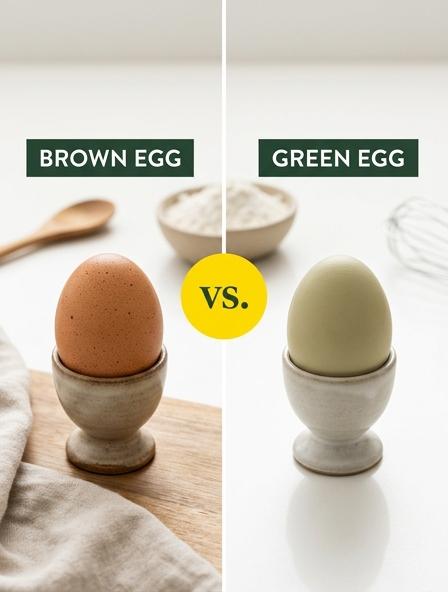
Nutritional Comparison of Brown and Green Eggs
When comparing brown eggs to green eggs, the primary difference lies in genetics rather than nutritional value. Shell color is determined solely by the breed of the hen-such as Ameraucanas for green eggs or Marans for brown-and does not influence the vitamins or minerals inside. The actual nutrient density is driven by the chicken's diet and environment rather than shell pigment.
- Protein Content: Both varieties provide approximately 6 grams of high-quality protein per large egg.
- Micronutrients: Levels of Vitamin A, D, and B12 remain consistent across different shell colors.
- Fatty Acids: Omega-3 levels depend on whether the hen was pasture-raised or fed enriched flaxseed.
Whether you are whisking a vibrant green egg for a colorful family brunch or slicing a hard-boiled brown egg for your post-workout meal, you are enjoying the same essential nutrients that health-conscious shoppers look for at the farmers' market.
Culinary Performance of Brown Versus Green Varieties
When evaluating the culinary performance of brown versus green eggs, experts agree that the difference is entirely cosmetic. The shell color-determined by genetics and pigments like protoporphyrin in brown eggs or oocyanin in green eggs-does not alter the interior quality, flavor, or nutritional density. Both varieties behave identically when subjected to heat, whether you are poaching, frying, or boiling.
The chemical composition of the albumen and yolk remains consistent across these shell colors:
- Binding: Both varieties provide equal structural integrity in baked goods.
- Aeration: Egg whites from both colors whip into stable foams for meringues.
- Emulsification: The yolks offer the same rich fat content for sauces like hollandaise.
Culinary success depends on the freshness of the egg and the hen's diet rather than the exterior shade. You might prefer selecting a mix of olive-green and chocolate-brown eggs to create a visually striking farm-to-table breakfast display that delights guests before they even crack the shells.
Impact of Shell Color on Yolk Nutrient Density
Scientific research confirms that the color of an eggshell, whether brown or green, has no direct impact on the nutrient density of the yolk. The shell's hue is determined solely by the breed of the hen and the specific pigments deposited during the laying process-typically protoporphyrin for brown eggs and oocyanin for green varieties.
While the exterior may differ, the internal composition remains virtually identical when hens are raised under similar conditions. Instead of shell color, yolk richness and vitamin content are driven by the hen's lifestyle:
- Diet: High-quality forage leads to darker, nutrient-dense yolks.
- Sunlight: Pasture-raised hens often produce eggs higher in Vitamin D.
- Freshness: Proper storage preserves the integrity of the proteins and fats.
You might choose the striking green eggs to add a rustic, gourmet aesthetic to your breakfast table, but you will enjoy the same wholesome nutritional profile found in a standard brown egg.
Health Profiles of Brown and Green Poultry Products
When comparing the health profiles of brown and green eggs, scientific research confirms that shell color is purely a genetic trait with no direct impact on nutritional density. Whether laid by a Marans (brown) or an Ameraucana (green), the internal quality is dictated by the hen's diet and environment rather than pigment. Both varieties provide an identical foundation of essential nutrients.
- Protein: Both offer roughly 6 grams of high-quality protein per large egg.
- Vitamins: Levels of Vitamin D, A, and B12 are determined by feed quality and sunlight exposure.
- Fats: Omega-3 content varies based on whether the hen was pasture-raised or fed flaxseed.
Many home cooks love choosing a vibrant carton of green eggs at the local farmers' market to add a unique, artisanal aesthetic to their Sunday brunch avocado toast.
Shell Thickness and Strength for Boiling Performance
When comparing brown and green eggs, shell thickness is a critical factor for durability during the boiling process. While color is determined by the hen's breed-brown from protoporphyrin and green from oocyanin-the actual strength is more closely linked to the bird's age and calcium intake than the pigment itself.
Understanding the structural differences helps prevent cracking in high-heat environments:
- Brown Eggs: Often perceived as sturdier, typically laid by heavier breeds like Rhode Island Reds or Marans.
- Green Eggs: Produced by breeds like Ameraucanas, these shells have pigment throughout the entire cross-section, which some enthusiasts claim adds a layer of structural integrity.
Despite these variations, both types perform exceptionally well when handled correctly. Imagine you are preparing a vibrant Niçoise salad for a garden party; selecting the thickest shells ensures your eggs emerge from the boiling water perfectly intact and ready for flawless peeling.
Baking Texture Differences in Brown and Green Eggs
In the culinary world, the debate between brown and green eggs often centers on aesthetics, but their performance in baking is virtually identical. The shell color, determined by genetics and pigments like oocyanin in green eggs, does not alter the interior protein structure or fat content. Consequently, the crumb, lift, and moisture levels of your recipes remain consistent regardless of the shell's hue.
The texture of baked goods is influenced by the egg's freshness and the hen's diet rather than the pigment of the shell. Consider these shared functional properties:
- Leavening: Both provide the protein lattice needed for airy sponges.
- Emulsification: Yolks from both colors contain equal lecithin for smooth batters.
- Moisture: Water-to-protein ratios are standardized across shell variations.
You might prefer using a heritage green egg when preparing a delicate custard for a brunch party to highlight the farm-fresh origins of your ingredients.
Mineral and Vitamin Content Across Eggshell Colors
When comparing brown eggs to green eggs, research indicates that the shell color is purely a result of the hen's breed and genetics, not its nutritional density. The pigments responsible for the hues-protoporphyrin for brown and oocyanin for green-are applied to the shell's exterior during the laying process and do not penetrate the egg's interior.
The actual vitamin and mineral content is determined by the hen's diet, age, and environment rather than the shell's appearance. Consider these factors that truly impact egg quality:
- Dietary Intake: Hens fed flaxseed or fish oil produce eggs higher in Omega-3 fatty acids.
- Sunlight Exposure: Pasture-raised hens often lay eggs with higher Vitamin D levels.
- Freshness: Proper storage preserves the integrity of B vitamins and proteins over time.
You might find yourself reaching for the unique green variety at the farmers' market specifically to create a visually stunning and conversation-starting breakfast platter for your guests.
Flavor Profiles of Brown Versus Green Selections
When comparing brown eggs to green eggs, many culinary enthusiasts wonder if the shell's pigment dictates the taste. Scientifically, the exterior color is determined by the breed of the hen and does not inherently alter the chemical composition or flavor of the egg itself. Whether the shell is a deep chocolate brown from a Marans or a soft seafoam green from an Ameraucana, the internal quality is identical if the birds share the same environment.
The perceived differences in richness or "egginess" usually stem from these external factors rather than genetics:
- Dietary Intake: Hens foraging on grass and insects produce richer yolks.
- Freshness: Local farm eggs often taste better than store-bought options.
- Hen Health: Stress-free environments improve overall egg quality.
Home chefs often prefer selecting a carton of mixed green and brown eggs to create a visually stunning farm-to-table breakfast where the vibrant shell colors spark conversation before the first bite.
Structural Quality of Whites and Yolks in Different Eggs
Scientific research indicates that the shell color of an egg-whether it is the earthy brown of a Rhode Island Red or the seafoam green of an Ameraucana-has no significant impact on the structural quality of the whites or yolks. The internal composition is primarily determined by the hen's age, environment, and nutritional intake rather than the pigments (protoporphyrin or oocyanin) deposited on the shell.
- Albumen Density: Both varieties maintain a thick inner white when fresh, which is crucial for poaching.
- Yolk Integrity: The strength of the vitelline membrane depends on freshness, not shell shade.
- Nutritional Value: Protein and fat structures remain consistent across different colored eggs.
While the internal chemistry is identical, many enthusiasts find that the thicker shells often associated with certain heritage breeds help preserve internal freshness for longer. You might reach for a vibrant green egg from a local farm to add a touch of artisanal flair to your soft-boiled breakfast spread.
Freshness and Shelf Life of Brown and Green Eggs
When comparing brown and green eggs, it is important to understand that shell color is purely a matter of genetics and has no biological impact on freshness or shelf life. The internal quality of an egg is determined by the hen's diet, environment, and how quickly the egg is refrigerated after being laid. Whether the shell contains protoporphyrin (brown) or oocyanin (green), the protective cuticle remains equally effective.
- Standard Shelf Life: Both varieties typically stay fresh for 3 to 5 weeks when properly refrigerated.
- Quality Retention: Shell porosity is similar across breeds, ensuring equal rates of moisture loss and carbon dioxide exchange.
- Freshness Indicators: Use the "float test" regardless of shell color to check for age.
You might choose a carton of vibrant green eggs for your next Sunday brunch because their rare, aesthetic appeal adds a gourmet touch that always sparks conversation among your guests.
Brown Egg vs Green Egg source and external links
- Brown eggs are produced by specific breeds of chickens and possess the same nutritional profile as white eggs.
- Certain chicken breeds like the Ameraucana produce vibrant green eggs due to the deposition of a pigment called biliverdin during the shell formation.
When comparing brown eggs to green eggs, research indicates that shell color is primarily a result of genetics and breed-specific pigments rather than a marker of nutritional superiority. Both varieties offer nearly identical nutrient profiles, as an egg's internal quality is determined by the hen's diet and overall health rather than exterior aesthetics. In terms of culinary performance, brown and green eggs behave identically, providing consistent leavening, texture, and flavor profiles in all kitchen applications. While some enthusiasts notice slight variations in shell thickness, these structural differences are typically attributed to the bird's age and calcium intake rather than the shell's pigment. Ultimately, the choice between brown and green eggs is a matter of aesthetic preference, as both provide exceptional quality and versatility without significant biological or functional disparity.