
Black Rice vs Brown Rice: Comparing Nutrition, Texture, and Glycemic Index Differences
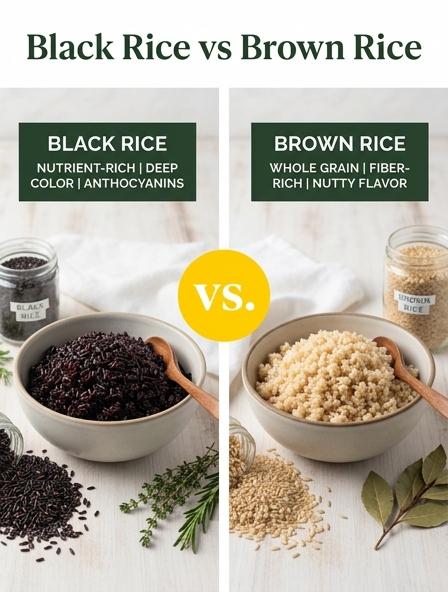
Nutritional Density and Antioxidant Profiles
While both varieties are whole grains that retain their bran and germ, black rice and brown rice offer distinct physiological benefits. Brown rice is a reliable source of manganese, magnesium, and B vitamins, supporting bone health and energy metabolism. However, black rice-often called "Forbidden Rice"-boasts a superior nutritional density. Its deep purple pigment is derived from anthocyanins, the same potent antioxidants found in blueberries, which help combat oxidative stress and chronic inflammation.
| Nutrient Factor | Black Rice | Brown Rice |
|---|---|---|
| Antioxidant Level | Extremely High | Moderate |
| Fiber Content | Higher | Standard Whole Grain |
| Protein Content | ~9g per serving | ~7g per serving |
Health-conscious foodies often swap brown rice for black rice when prepping "power bowls" to gain extra phytonutrients and a striking visual appeal without sacrificing that signature nutty texture.
Texture and Consistency in Cooked Dishes
The mouthfeel of black and brown rice varies significantly due to their different starch compositions and bran thickness. Brown rice is characterized by its distinct, separate grains and a slightly fibrous, nutty chew. It maintains its shape well, providing a fluffy foundation for savory meals. Conversely, black rice features a more glutinous, dense consistency. It offers a firm exterior pop followed by a tender, sticky interior that creates a much heavier, more cohesive texture compared to the airier nature of brown rice.
- Brown Rice: Maintains a light, individual grain structure.
- Black Rice: Develops a moist, velvety, and "jammy" profile.
You will likely prefer black rice when crafting a rich coconut milk rice pudding, where its natural stickiness creates a luxurious, pudding-like consistency that holds sweetness better than the drier brown alternative.
Glycemic Index and Metabolic Impact
When comparing black rice and brown rice, their effect on blood glucose is a primary differentiator. Black rice typically features a lower Glycemic Index (GI) of approximately 42–45, whereas brown rice sits slightly higher at around 50–55. This variance is largely due to the dense concentration of anthocyanins in black rice, which helps inhibit sugar absorption.
| Rice Variety | Glycemic Index | Key Metabolic Factor |
|---|---|---|
| Black Rice | Low (42–45) | Anthocyanin antioxidants |
| Brown Rice | Medium (50–55) | High magnesium and fiber |
Lower GI foods promote better insulin sensitivity and provide sustained energy release rather than rapid spikes. This makes black rice particularly effective for those managing metabolic syndrome or type 2 diabetes. You will appreciate the steady stamina black rice provides when used in your weekly meal prep to prevent the common post-lunch energy slump.
Cooking Times and Water Absorption Differences
Both black and brown rice require more patience than white varieties because their fibrous bran layers slow down moisture penetration. While both are whole grains, their structural density dictates specific preparation needs to avoid a gritty texture. Generally, black rice-also known as forbidden rice-tends to be slightly more absorbent than brown rice.
| Rice Variety | Water-to-Rice Ratio | Average Simmer Time |
|---|---|---|
| Brown Rice | 2:1 | 40–50 minutes |
| Black Rice | 2.25:1 | 30–45 minutes |
To ensure a tender yet nutty bite, many home cooks prefer soaking black rice for thirty minutes before boiling, creating a striking, deep-purple base that pairs beautifully with grilled salmon and fresh avocado.
Fiber Content and Digestive Health
Both black and brown rice are superior to white rice because they retain their bran and germ layers, where most of the fiber resides. Dietary fiber is essential for optimizing digestive health, preventing constipation, and supporting a healthy gut microbiome. While brown rice is a reliable source of insoluble fiber, black rice typically contains a higher concentration, offering a slight edge for satiety and metabolic health.
- Black Rice: Contains approximately 4.9 grams of fiber per cooked cup.
- Brown Rice: Provides roughly 3.5 grams of fiber per cooked cup.
The higher fiber content in these whole grains slows down glucose absorption, helping to maintain steady energy levels throughout the day. By incorporating these grains into your diet, you provide the necessary bulk to improve transit time and overall gastrointestinal function.
You will appreciate the dense, chewy texture of black rice when you need a high-fiber meal that keeps you feeling satisfied well into your next workout.
Flavor Profiles and Aromatic Qualities
The sensory experience of rice is defined by its bran layer, where black and brown varieties diverge significantly. Black rice, often referred to as "forbidden rice," delivers a bold, nutty flavor accompanied by distinct floral and fruity undertones. Its rich aroma is frequently compared to toasted nuts or even dark chocolate. Conversely, brown rice offers a more understated, earthy profile with a mild, toasted scent that acts as a neutral canvas for other ingredients.
- Black Rice: Intense, sweet-savory, and highly aromatic.
- Brown Rice: Subtle, nutty, and versatile.
Foodies often choose the deep, blackberry-like notes of black rice to create a visually stunning coconut milk dessert, while busy home cooks rely on the mild, reliable nuttiness of brown rice to balance a spicy garlic chicken stir-fry.
Essential Mineral Content and Health Benefits
Comparing black rice and brown rice reveals distinct nutritional advantages. Both are whole grains that retain their bran and germ layers, but their specific mineral densities and phytonutrients differ. While brown rice is a powerhouse for manganese and magnesium, black rice-often called "forbidden rice"-offers a unique concentration of iron and antioxidants.
- Black Rice: Rich in anthocyanins, which provide anti-inflammatory benefits and protect against oxidative stress.
- Brown Rice: High in phosphorus and B vitamins, supporting bone health and efficient energy metabolism.
- Fiber Content: Both varieties promote digestive health and help regulate blood sugar levels more effectively than white rice.
The choice between them often comes down to specific dietary needs; for instance, a runner might meal-prep brown rice for its consistent magnesium supply, while someone managing iron levels might choose a deep purple bowl of black rice paired with roasted vegetables for a nutrient-dense dinner.
Visual Aesthetics and Presentation on the Plate
When comparing black rice and brown rice, the most immediate difference is their visual impact. Black rice, frequently referred to as "forbidden rice," possesses a deep, ink-like pigment that transforms into a vibrant, glossy purple once cooked. This striking color provides a high-end, gourmet feel that elevates the overall presentation of a meal. In contrast, brown rice offers a more traditional, rustic aesthetic with its muted tan and earthy tones, blending seamlessly into casual, everyday dishes.
- Black Rice: Bold, royal purple hue with a polished, sophisticated sheen.
- Brown Rice: Natural, warm beige tones that provide a subtle, matte texture.
You can use the dramatic contrast of black rice to make colorful ingredients like mango, avocado, or bright red peppers pop, turning a simple grain bowl into a restaurant-quality centerpiece.
Starch Composition and Resulting Mouthfeel
The culinary experience of black versus brown rice is primarily defined by their internal starch structures, specifically the ratio of amylose to amylopectin. Brown rice typically maintains a higher amylose content, which allows the grains to stay distinct, firm, and structurally robust after cooking. In contrast, many black rice varieties, particularly those labeled as "forbidden" or glutinous, are richer in amylopectin. This molecular makeup results in a denser, chewier, and significantly stickier texture compared to the earthy, separated grains of brown rice.
- Black Rice: Features a velvety, moist, and tender bite with a slight bounce.
- Brown Rice: Delivers an "al dente" feel with a more fibrous and grainy consistency.
While fitness enthusiasts often prefer the clean, separate grains of brown rice for high-protein meal-prep bowls, many foodies love the rich, pudding-like stickiness of black rice for crafting gourmet Asian-inspired desserts.
Satiety Levels and Caloric Density Comparison
When comparing black rice and brown rice, both are considered high-fiber whole grains that outperform refined white rice. However, black rice typically offers a slight edge in satiety. This is due to its higher protein content and denser concentration of anthocyanins, which work alongside dietary fiber to slow digestion and regulate blood sugar levels.
In terms of caloric density, the two are remarkably similar, though their nutritional profiles impact how the body processes those calories:
- Black Rice: Contains approximately 160 calories per 1/4 cup (dry), with higher levels of hunger-curbing protein.
- Brown Rice: Averages 150 calories per 1/4 cup (dry), providing steady energy through complex carbohydrates.
While brown rice is a reliable pantry staple for consistent energy, the added fiber in black rice often leads to eating smaller portions while feeling equally full.
You might find that swapping brown rice for black rice in your Buddha bowl keeps you energized and satisfied throughout a demanding afternoon without the need for a second snack.
Black Rice vs Brown Rice source and external links
- Often referred to as forbidden rice, black rice is a nutrient-dense whole grain packed with powerful anthocyanin antioxidants.
- As a versatile whole grain that retains its fiber-rich bran and germ layers, brown rice offers significantly more minerals and vitamins than refined white rice.