
Black Pepper vs White Pepper: Comparing Flavor Profiles, Processing Methods, and Health Impact Differences.
Ever wondered why black and white pepper taste so different despite coming from the same vine? It all boils down to their unique processing methods. Black pepper is crafted by sun-drying unripe berries until they wrinkle, resulting in a bold, pungent flavor with sharp citrus notes. In contrast, white pepper consists only of the inner seed, with the outer skin removed through soaking. This creates a more complex, earthy profile perfect for delicate sauces. While both offer impressive health benefits like improved digestion and antioxidant support thanks to piperine, black pepper typically retains more essential oils. Choosing between them isn't just about aesthetics; it's about balancing heat and aromatic depth in your favorite recipes.
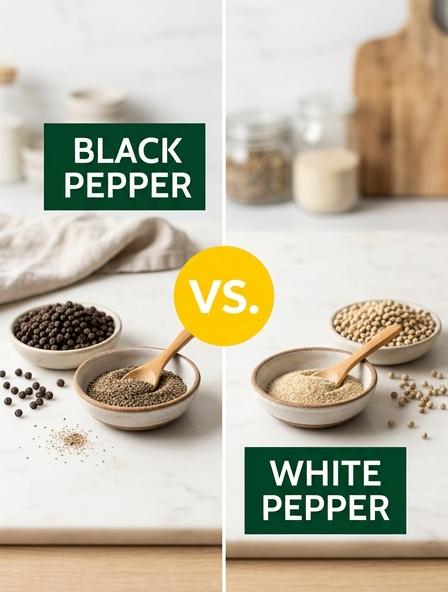
Aromatic Comparison of Black and White Pepper
While both varieties originate from the Piper nigrum plant, their aromatic profiles differ significantly due to how they are processed. Black pepper is harvested green and dried with its outer husk intact, which preserves volatile oils. This results in a complex, floral, and citrusy bouquet with woody undertones. Conversely, white pepper is made by removing the outer layer through a process called retting, leading to a more fermented, earthy, and musky scent that lacks the top-note brightness of its black counterpart.
| Characteristic | Black Pepper | White Pepper |
|---|---|---|
| Primary Scent | Bold, Citrusy, Floral | Earthy, Musky, Pungent |
| Complexity | High (Essential Oils) | Focused (Sharp Heat) |
Chefs often reach for white pepper when preparing a classic French béchamel or creamy mashed potatoes to ensure a sharp, invisible heat that doesn't disrupt the pristine, white aesthetic of the dish.
Visual Impact of Pepper Varieties on Dish Aesthetics
The choice between black and white pepper significantly influences the final presentation of a culinary creation. Black pepper consists of the whole peppercorn including the dark outer husk, which leaves behind bold, rustic flecks. Conversely, white pepper has its outer layer removed through soaking, resulting in a pale, neutral tone that integrates subtly into light-colored ingredients without disrupting the color palette.
- Black Pepper: Provides high-contrast visual texture and a traditional "seasoned" look.
- White Pepper: Maintains a clean, monochromatic appearance for refined elegance.
Professional chefs typically reach for white pepper when preparing a classic Béchamel sauce or velvety mashed potatoes to ensure a perfectly smooth, ivory finish that diners find visually flawless.
Heat Levels and Pungency in Daily Cooking
The culinary distinction between black and white pepper revolves around their unique heat profiles and chemical compositions. Black pepper, harvested with the outer drupe intact, contains a high concentration of piperine and essential oils, resulting in a complex, lingering pungency. White pepper, which has the outer skin removed through retting, offers a more concentrated, sharp heat that hits the palate immediately but lacks the aromatic complexity of its darker counterpart.
- Black Pepper: Bold, woody, and citrusy with a balanced, multi-dimensional heat.
- White Pepper: Sharp, earthy, and pungent with a clean finish.
You might reach for white pepper when whisking a creamy Béchamel or seasoning mashed potatoes to provide a sophisticated, hidden heat that doesn't disrupt the pristine, pale aesthetic of the dish.
Nutritional Profiles and Health Impact of Pepper Types
Both black and white pepper originate from the Piper nigrum plant, yet their processing creates distinct nutritional advantages. Black pepper, dried with its outer fruit layer, contains higher concentrations of manganese, vitamin K, and fiber. White pepper is the inner seed, offering a concentrated source of piperine with fewer phytonutrients found in the skin.
| Feature | Black Pepper | White Pepper |
|---|---|---|
| Key Compound | High Piperine | Concentrated Piperine |
| Nutrients | Fiber, Vitamin K | Manganese, Iron |
| Main Benefit | Antioxidant-rich | Digestive aid |
The piperine in both peppers enhances nutrient bioavailability, particularly increasing the absorption of curcumin from turmeric. Professional chefs often prefer white pepper when seasoning a creamy cauliflower soup or classic béchamel sauce to provide a sharp heat without adding dark flecks to the pristine white finish.
Ripeness and Processing Differences in Peppercorns
Though they originate from the same Piper nigrum plant, black and white peppercorns are distinguished by their harvest timing and preparation. Black pepper is made from unripe, green berries that are briefly cooked and sun-dried, causing the outer skin to oxidize and turn black. In contrast, white pepper is produced from fully ripe, red berries that undergo a process called retting.
- Black Pepper: Picked early; skin is left intact to provide a bold, pungent flavor.
- White Pepper: Picked at peak ripeness; soaked in water to remove the outer fruit (pericarp), leaving only the seed.
The removal of the outer layer in white pepper results in a more fermented, earthy aroma and a cleaner heat, whereas the black variety retains complex essential oils found in the skin. You might prefer white pepper when whisking a velvety Hollandaise or mashing potatoes to ensure a flawless, pale aesthetic while still delivering a sophisticated peppery bite.
Essential Oil Content and Fragrance Longevity
The primary difference in fragrance between black and white pepper lies in the presence of the pericarp, or outer fruit skin. Black pepper is harvested whole, retaining its volatile essential oils which provide a complex, citrusy, and sharp aromatic profile. In contrast, white pepper is processed to remove the outer layer, resulting in a lower essential oil content and a more subdued, earthy scent.
| Pepper Variety | Aromatic Strength | Fragrance Longevity |
|---|---|---|
| Black Pepper | High | Long-lasting (rich in terpenes) |
| White Pepper | Moderate | Short-lived (mostly piperine heat) |
Professional chefs often reach for white pepper when crafting a delicate Hollandaise sauce, ensuring the flavor remains subtle and the aesthetic perfectly ivory without the overpowering scent of black peppercorns.
Culinary Performance in High Temperature Applications
Heat exposure significantly alters the chemical stability of the piperine and volatile oils found in peppercorns. Black pepper, which retains its outer husk, possesses complex floral and citrus notes that are highly volatile. Under prolonged high heat, these delicate compounds can evaporate or turn acrid, which is why chefs often reserve black pepper for finishing or quick searing. In contrast, white pepper consists only of the inner seed, offering a more heat-stable pungency that survives long cooking durations without significant flavor degradation.
- Black Pepper: Best for dry rubs or crusting meats where the charred husk adds a desirable smoky depth.
- White Pepper: Ideal for high-heat stir-fries and slow-simmered sauces requiring consistent heat.
You will appreciate the sharp, fermented kick white pepper maintains when you are whisking it into a piping hot, slow-simmered Béchamel or a professional-grade wok-tossed dish.
Digestive Benefits and Bioavailability of Pepper Compounds
Both black and white pepper derive their medicinal potency from piperine, a bioactive alkaloid that stimulates hydrochloric acid secretion in the stomach. This process improves protein digestion and reduces intestinal gas. However, their structural differences impact their chemical profiles:
- Black Pepper: Retains the outer fruit layer, containing the highest concentration of piperine and volatile oils.
- White Pepper: The husk is removed, offering a slightly lower piperine content but a more stable heat for sensitive stomachs.
The most significant benefit of these compounds is their ability to increase the bioavailability of other nutrients. Piperine can increase the absorption of curcumin (found in turmeric) by up to 2,000% by inhibiting metabolic pathways that would otherwise eliminate it from the body. You will likely prefer cracked black pepper for your morning turmeric tonic to maximize nutrient uptake, whereas white pepper is your best ally for supporting digestion in a delicate cream sauce without altering the color.
Storage Stability and Potency Over Time
The shelf life of pepper is primarily dictated by the presence of the outer fruit layer. Black peppercorns retain this protective husk, which seals in volatile oils like piperine, allowing them to maintain peak flavor for years when kept whole. White pepper, however, has this layer removed during processing, making the essential oils more susceptible to oxidation and a faster loss of aromatic potency.
- Black Pepper: Whole berries stay pungent and aromatic for 3 to 4 years.
- White Pepper: Higher sensitivity to light and air; best used within 1 year.
- Ground Varieties: Both lose their "bite" significantly within 3 to 6 months of exposure.
You might prefer stocking whole black peppercorns in a grinder for reliable daily seasoning, while purchasing smaller quantities of white pepper to ensure your sophisticated cream soups always feature a fresh, earthy heat without any stale bitterness.
Chemical Composition and Flavor Concentration Differences
The chemical divergence between black and white pepper stems from the pericarp, or outer husk. Black pepper is dried with this layer intact, preserving volatile oils like pinene and limonene that provide a complex, citrusy aroma. In contrast, white pepper is processed to remove the husk, focusing the chemical profile on the inner seed.
| Feature | Black Pepper | White Pepper |
|---|---|---|
| Primary Oils | Terpenes (Aromatic) | Piperine (Pungent) |
| Heat Level | Balanced | Sharp/Direct |
While white pepper loses some aromatic terpenes during the retting process, it retains a high concentration of piperine, the alkaloid responsible for heat. This results in a sharper, more earthy pungency compared to the woody depth of the whole fruit. You might reach for white pepper when seasoning a creamy cauliflower soup or traditional Swedish meatballs to achieve a potent spicy bite without the floral complexity or dark flecks of black pepper.
Black Pepper vs White Pepper source and external links
- Commonly used as a staple seasoning worldwide, black pepper is produced by cooking and drying the unripe drupes of the piper nigrum plant.
- To create white pepper, the outer skin of the ripe peppercorn is removed through a process called retting, leaving behind the inner seed which has a milder, sharper flavor profile.
Black pepper and white pepper both originate from the Piper nigrum plant, yet they offer distinct culinary experiences shaped by specialized processing methods. Black pepper is produced by harvesting unripe berries and drying them until oxidized, resulting in a bold, pungent heat and high concentrations of antioxidant-rich piperine found in the outer skin. Conversely, white pepper undergoes a soaking process to remove the dark pericarp, leaving only the inner seed; this yields a milder, earthier flavor profile ideal for aesthetically clean, light-colored sauces. While black pepper typically boasts superior health benefits due to its intact hull, white pepper provides a sophisticated, subtle spice. Ultimately, choosing between them depends on your desired flavor intensity and visual presentation, though both remain indispensable staples for enhancing digestion and metabolic health.