
Black Pepper vs Poivre Blanc : Comparing Flavor Profiles, Visual Aesthetics, and Culinary Performance Differences
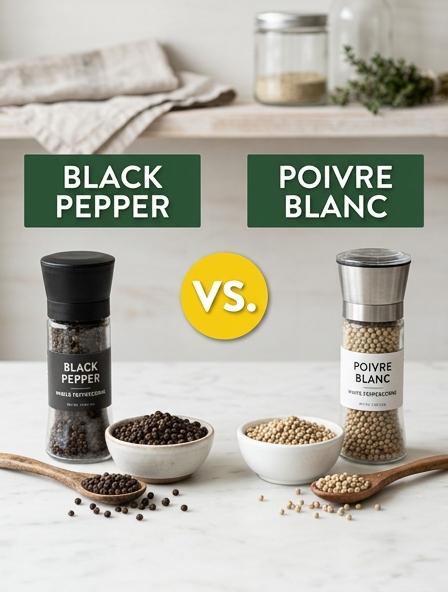
Flavor Profiles and Heat Intensities of Black Pepper and Poivre Blanc
While both originate from the Piper nigrum plant, the distinction between black pepper and poivre blanc lies in their processing. Black pepper is harvested green and dried until the outer fruit layer (pericarp) turns black, creating a bold, citrusy, and woody profile. In contrast, poivre blanc is soaked to remove the skin, resulting in a unique, fermented, and earthy aroma with less complexity but a cleaner finish.
- Black Pepper: Offers a robust, multi-dimensional pungency with high heat that lingers on the palate.
- Poivre Blanc: Delivers a sharp, immediate heat that is more concentrated, focusing on a singular spicy note without the floral attributes of the husk.
You might choose the discreet heat of poivre blanc for a classic French Béchamel or mashed potatoes to ensure the sauce remains perfectly ivory without visible black specks.
Visual Aesthetics and Color Consistency in Light Colored Sauces
In professional culinary arts, the choice between black pepper and poivre blanc is often dictated by the desired visual outcome. Black pepper contains the dark outer fruit skin, which leaves distinct black flecks throughout a dish. While acceptable in rustic cooking, these specks can disrupt the "clean" look of refined, light-colored emulsions.
Poivre blanc (white pepper) undergoes a process where the outer husk is removed, leaving only the inner seed. This allows the spice to blend seamlessly into pale bases without compromising the monochromatic aesthetic. Common applications for this technique include:
- Classic Béchamel and Velouté mother sauces
- Creamy Alfredo or cauliflower-based purees
- White asparagus soups and potato mousseline
You might choose the invisible heat of poivre blanc when whisking a delicate Hollandaise to ensure the final result is a flawless, sunny yellow without any distracting dark debris.
Digestive Benefits and Nutritional Variations of Peppercorn Varieties
While both black pepper and poivre blanc originate from the Piper nigrum plant, their nutritional profiles diverge during processing. Black pepper retains the outer fruit layer, which is concentrated with piperine. This alkaloid is essential for enhancing the bioavailability of nutrients like selenium and curcumin. Conversely, white pepper has the husk removed, offering a slightly lower piperine content but providing significant amounts of manganese and fiber.
- Black Pepper: High in antioxidants; stimulates enzymes that effectively break down fats.
- White Pepper: Processed through soaking; often gentler on sensitive digestive linings.
Both varieties effectively stimulate hydrochloric acid secretion in the stomach, which facilitates smoother protein digestion and prevents the formation of intestinal gas. You might reach for poivre blanc when crafting a delicate white sauce to ensure a clean visual finish without sacrificing the thermogenic properties that aid your metabolism.
Aromatic Pungency and Sensory Impact in Home Cooking
The culinary distinction between black pepper and poivre blanc (white pepper) lies in their processing and resulting chemical complexity. Black pepper is harvested green and dried with its outer husk intact, preserving volatile oils that deliver a bold, citrusy, and floral aroma. In contrast, poivre blanc is made by removing the outer layer through soaking, leaving only the inner seed. This results in a more fermented, musky flavor profile with a sharp, direct heat that lacks the multifaceted top notes of its black counterpart.
- Black Pepper: Best for high-heat searing and robust savory depth.
- Poivre Blanc: Ideal for precision heat and maintaining a clean visual aesthetic.
While both derive from the Piper nigrum plant, their sensory impacts differ: black pepper provides a punchy, immediate pungency, while white pepper offers a subtle, earthy lingering warmth. You might prefer the rustic crunch of black pepper on a grilled steak, but you will appreciate the sophisticated, invisible heat of poivre blanc when perfecting a creamy Cauliflower gratin or a traditional French Béchamel sauce.
Processing Methods and Their Influence on Culinary Performance
The distinction between black pepper and poivre blanc is rooted in post-harvest processing, which fundamentally alters their chemical profiles. Black pepper is created by sun-drying unripe green berries, a process that triggers enzymatic oxidation. This shrivels the outer skin (pericarp) into a dark, flavorful crust rich in volatile oils.
Conversely, poivre blanc undergoes a process called "retting," where fully ripe berries are soaked in water to decompose the outer skin. After the skin is removed, only the inner seed remains. The culinary impact of these methods is significant:
- Black Pepper: Delivers a complex, woody aroma and a bold, well-rounded heat.
- Poivre Blanc: Offers a sharper, more focused pungency with earthy, fermented undertones.
Professional chefs often reach for poivre blanc when whisking a velvety Béchamel or a classic Hollandaise to ensure the sauce remains a pristine, ivory white while still delivering a sophisticated spicy kick.
Essential Oil Concentration and Flavor Stability During Storage
The primary difference in flavor longevity between black pepper and poivre blanc (white pepper) lies in the presence of the outer fruit layer. Black pepper retains its pericarp, which is rich in volatile essential oils like pinene and limonene. These oils are shielded by the dried skin, offering superior shelf-life stability.
- Black Pepper: Contains 2% to 4% essential oils; the outer husk acts as a protective barrier against oxidation.
- Poivre Blanc: Lower essential oil concentration due to the removal of the skin; focuses on heat-providing piperine rather than aromatic terpenes.
Because poivre blanc undergoes a retting process to remove the fruit, its volatile compounds are more exposed. During storage, white pepper can lose its nuanced aroma faster than its black counterpart, occasionally developing earthy or musty notes if not kept in airtight conditions. You might choose poivre blanc when whisking a delicate Hollandaise sauce, ensuring a smooth, pale finish with a sharp bite that doesn't distract from the buttery richness.
Fermentation Effects and Subtle Floral Undertones in Poivre Blanc
Unlike black pepper, which is harvested green and dried until the skin oxidizes, poivre blanc undergoes a specialized maceration process. This involves soaking fully ripe berries in water to trigger a controlled fermentation that softens the outer skin (pericarp) for easy removal.
This biochemical shift significantly alters the spice's aromatic profile, yielding several distinct sensory characteristics:
- A reduction in harsh, woody tannins found in the fruit's skin.
- The emergence of complex, musky, and earthy base notes.
- The preservation of delicate floral undertones hidden within the seed.
By removing the outer fruit, the fermentation process isolates the core heat of the piperine, creating a more refined and consistent piquancy. This makes white pepper fundamentally different from its bold, pungent counterpart. You will likely prefer poivre blanc when seasoning a classic French cream sauce or white velouté, where you desire a sophisticated warmth and floral aroma without any visible black specks.
Heat Tolerance and Performance During High Temperature Searing
When comparing black pepper to poivre blanc, their reaction to intense heat is a critical culinary distinction. Black pepper consists of the entire peppercorn, including the outer pericarp. This skin contains cellulose and volatile oils that carbonize quickly, often resulting in a harsh, burnt flavor when used during a high-heat sear.
In contrast, poivre blanc undergoes a retting process to remove the outer husk, leaving only the inner seed. This lack of organic surface material grants it significantly higher thermal stability.
- Black Pepper: Prone to scorching; best applied after searing or during low-heat roasting to preserve its aromatic piperine.
- Poivre Blanc: High heat resistance; maintains a sharp, consistent pungency without turning bitter under direct flame.
Professional chefs often reach for finely ground white pepper when crusting a thick filet mignon or seasoning a high-heat stir-fry to ensure a clean, spicy bite that won't degrade into acrid, charcoal flavors.
Antioxidant Content and the Impact of Outer Husk Removal
The primary nutritional difference between black pepper and poivre blanc lies in the processing of the Piper nigrum fruit. Black pepper is harvested green and dried with its outer layer, the pericarp, intact. Conversely, poivre blanc undergoes a process called retting to remove this husk, leaving only the inner seed.
This structural distinction is critical for antioxidant density. The outer husk serves as a concentrated reservoir for potent phytonutrients:
- Piperine: The alkaloid responsible for heat and bio-enhancement is most dense in the outer skin.
- Phenolic Compounds: These provide the majority of the peppercorn's free-radical scavenging capabilities.
- Volatile Oils: Many aromatic antioxidants are lost when the husk is stripped away.
While both varieties offer health benefits, the retention of the pericarp ensures black pepper maintains a more robust chemical profile. You might reach for cracked black pepper to maximize the nutritional value of your morning meal, whereas poivre blanc remains the preferred choice for maintaining the flawless, snowy appearance of a classic French Vichyssoise.
Spice Density and Mouthfeel in Professional Home Dishes
The distinction between black pepper and poivre blanc (white pepper) extends beyond color to the physical density and textural impact on a plate. Black pepper includes the outer fruit husk, providing a rugged, fibrous density that creates a "gritty" but pleasant mouthfeel in crusts and rubs. Poivre blanc is the inner seed only; its removal of the pericarp results in a finer particle size that integrates seamlessly into liquids.
- Black Pepper: High-impact texture, best for adding "bite" to seared proteins.
- Poivre Blanc: Concentrated heat with a smooth, "invisible" finish in delicate sauces.
Choosing the right density ensures the spice complements the dish's viscosity rather than competing with it. You might prefer whisking finely ground poivre blanc into a classic Vichyssoise to maintain a velvety, cloud-like consistency while delivering a deep, creeping heat that black pepper's larger flakes would otherwise disrupt.
Black Pepper vs Poivre Blanc source and external links
- Black pepper is a pungent spice produced from the still-green, unripe drupes of the pepper plant that have been cooked and dried; read more about the history and uses of Black Pepper.
- Consisting of only the inner seed of the ripe pepper fruit with the skin removed, Poivre Blanc provides a sharper, more fermented flavor profile often used in light-colored sauces.