
Black Pepper vs Peppercorn : Comparing Flavor, Freshness, and Nutrition Differences
Ever wondered if there is a real culinary divide between black pepper and peppercorns? While both originate from the Piper nigrum plant, the primary distinction lies in their form and how they impact your palate. Peppercorns are the whole, dried drupes that act as nature's flavor capsules, preserving essential volatile oils and pungent aromas until the moment they are crushed. In contrast, pre-ground black pepper offers convenience but gradually loses its nutritional potency and spicy bite due to oxidation. By choosing whole peppercorns, you unlock superior freshness, higher piperine concentrations for better digestion, and a complex flavor profile that pre-packaged pepper simply cannot match.
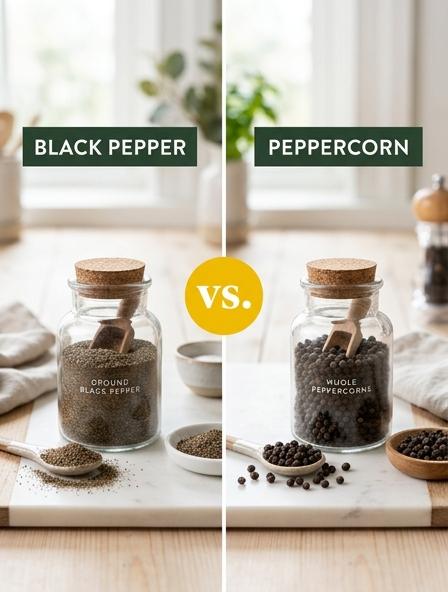
Flavor Intensity Variations Between Pre-Ground and Whole Spice Forms
The primary difference between whole peppercorns and pre-ground black pepper lies in the preservation of volatile essential oils. Piperine, the compound responsible for heat, and aromatic terpenes are protected within the peppercorn's outer shell. Once ground, the increased surface area leads to rapid oxidation, causing the spice to lose its characteristic "bite" and complex fragrance over time.
- Whole Peppercorns: Maintain peak potency and a multi-dimensional profile of citrus, pine, and sharp heat.
- Pre-Ground Pepper: Offers convenience and consistent mild heat but often lacks the aromatic depth of freshly cracked berries.
Home chefs often prefer cracking whole peppercorns directly over a seared ribeye steak to release a vibrant burst of pungent, floral aroma that pre-ground alternatives simply cannot replicate.
Impact of Oxidation on the Pungency of Prepared Seasoning
The primary difference between whole peppercorns and ground black pepper lies in their chemical stability. Whole peppercorns serve as a natural protective seal, preserving volatile oils and piperine-the alkaloid responsible for heat. When these berries are processed into ground pepper, the significantly increased surface area triggers rapid oxidation. This exposure to air causes essential oils to evaporate and the sharp, pungent bite to degrade over time.
Oxidation impacts several key sensory attributes:
- Aroma: Loss of complex terpenes that provide woody or citrus notes.
- Heat: Diminishment of piperine potency, leading to a duller taste.
- Longevity: Ground seasoning loses its culinary impact much faster than whole drupes.
You will appreciate the depth of fresh seasoning most when you crack whole peppercorns over a finished dish, releasing an immediate burst of heat and fragrance that pre-ground pepper simply cannot match.
Nutrient Retention in Unprocessed Berries Versus Milled Powder
The nutritional profile of black pepper is dictated by its form. Whole peppercorns serve as a natural protective capsule, shielding the volatile oils and the primary alkaloid, piperine, from environmental degradation. In contrast, pre-ground black pepper undergoes a milling process that increases surface area, leading to rapid oxidation and the evaporation of medicinal compounds.
- Piperine Stability: Remains concentrated in whole berries but diminishes in milled powder.
- Antioxidant Potency: Whole berries retain manganese and Vitamin K longer than exposed grounds.
- Aromatic Integrity: Essential oils like pinene and limonene stay trapped until the drupe is cracked.
To maximize both flavor and health benefits, many home cooks prefer the ritual of using a manual grinder to release a pungent burst of fresh piperine directly over a sizzling ribeye or a garden-fresh Caesar salad.
Aromatic Oil Preservation Across Different Processing States
The primary distinction between whole peppercorns and processed black pepper lies in the integrity of their volatile oils. These essential compounds, responsible for the spice's signature heat and complex fragrance, are protected by the peppercorn's natural outer husk. Once the physical structure of the berry is broken, the surface area increases, causing these oils to oxidize and evaporate rapidly.
- Whole Peppercorns: Maintain peak potency and aromatic complexity for years by shielding oils from oxygen.
- Coarsely Cracked: Offers a burst of flavor but begins losing its nuanced profile within days.
- Fine Pre-ground: Often tastes "dusty" or flat because the most delicate aromatic compounds have already dissipated.
To maximize the sensory impact of your cooking, you can try grinding whole peppercorns directly over a hot steak or creamy pasta to instantly release the trapped piperine and woody notes that define a truly gourmet meal.
Heat Distribution Characteristics of Fine and Coarse Textures
The physical state of black pepper significantly influences how its heat profile interacts with your palate. This is primarily a result of surface area and the release of piperine, the alkaloid responsible for pepper's signature pungency.
- Fine Texture: Increased surface area allows for immediate, uniform distribution of heat throughout soups, sauces, and batters.
- Coarse Texture: Larger fragments act as flavor reservoirs, releasing concentrated bursts of heat only when bitten into, rather than seasoning the entire dish evenly.
Fine grinds are engineered for consistent background warmth, whereas coarse peppercorns provide a textural contrast that heightens sensory perception. You might choose a fine dusting for a smooth béchamel sauce to ensure balanced heat, or reach for a coarse crack when crusting a New York strip to enjoy those intense, spicy pops of flavor in every bite.
Shelf Life and Freshness of Intact Versus Ground Seasonings
The fundamental difference between whole peppercorns and pre-ground black pepper is the preservation of volatile oils. Piperine, the compound responsible for pepper's signature heat, remains protected inside the peppercorn's husk. Once the spice is ground, the increased surface area leads to rapid oxidation and aromatic degradation.
- Whole Peppercorns: Can retain peak flavor and potency for 3 to 4 years when stored correctly.
- Ground Black Pepper: Begins losing its complex flavor profile immediately, often tasting "dusty" after only 6 to 12 months.
Choosing whole berries ensures that the chemical compounds responsible for both smell and taste are released only at the moment of consumption. You will likely find that grinding whole peppercorns directly over a hot steak or a fresh Caesar salad provides a vibrant, spicy punch that pre-ground varieties simply cannot replicate after sitting on a shelf.
Influence of Particle Size on Recipe Performance and Aroma
The culinary difference between pre-ground black pepper and whole peppercorns is driven by surface area and the preservation of volatile oils. Once a peppercorn is cracked, its aromatic compounds, such as piperine and terpenes, begin to dissipate. Particle size directly impacts how heat is perceived on the palate and how the spice integrates into various textures.
- Fine Grind: Delivers immediate, uniform heat; ideal for light sauces or creamy soups where a smooth consistency is required.
- Medium/Coarse: Provides textural crunch and intense, staggered bursts of flavor, making it the standard for seasoning steaks or fresh salads.
- Whole Peppercorns: Retains full aromatic integrity for long-simmering stocks, stews, or pickling brines where slow infusion is necessary.
Home cooks love the sensory ritual of using a manual grinder to top a fresh Caesar salad, ensuring the bold, spicy oils hit the greens just seconds before the first bite.
Nutritional Concentration in Freshly Milled Kitchen Staples
The primary difference between peppercorns and black pepper lies in their state of preservation. Peppercorns are the whole, dried fruits of the Piper nigrum vine, serving as a natural protective chamber for piperine and volatile essential oils. Once these "kitchen staples" are pre-ground into black pepper, they are exposed to oxygen, leading to a rapid decline in both flavor and health-promoting antioxidants.
- Piperine Content: Freshly milled peppercorns offer higher concentrations of this alkaloid, which enhances nutrient absorption.
- Aromatic Oils: Whole seeds retain pinene and limonene, compounds often lost in pre-ground varieties.
- Oxidation Control: The peppercorn's outer husk prevents the degradation of therapeutic phytonutrients.
To maximize these benefits, home chefs love the ritual of cracking whole peppercorns over a steaming bowl of golden turmeric soup to instantly activate the meal's anti-inflammatory potential.
Performance Consistency in Various Cooking Methods
The choice between pre-ground black pepper and whole peppercorns dictates the flavor profile and heat stability of a dish. Whole peppercorns house volatile oils within a protective husk, ensuring flavor longevity during slow-cooking processes. In contrast, pre-ground pepper has a higher surface area exposed to oxygen, leading to rapid degradation of piperine and aroma.
- High-Heat Searing: Freshly cracked peppercorns maintain their pungent oils better than fine dust.
- Slow Simmering: Whole peppercorns release a mellow, complex heat over several hours.
- Cold Infusions: Cracked peppercorns provide a brighter, floral notes in dressings compared to the muted bite of pre-ground varieties.
Home cooks often prefer the ritual of grinding whole peppercorns directly over a hot carbonara, ensuring the sharp, aromatic oils bloom instantly upon contact with the steam.
Pungency Levels Across Different Spice Preparation States
The intensity of black pepper is dictated by its preparation state, primarily due to the degradation of piperine and volatile oils upon exposure to air. While "peppercorn" refers to the whole dried fruit, "black pepper" encompasses the spice in various processed forms.
- Whole Peppercorns: These maintain the highest concentration of oils, offering the longest shelf life and most potent flavor when freshly ground.
- Cracked Pepper: Delivers medium pungency with a distinct textured mouthfeel, ideal for crusting meats.
- Fine Ground: Provides quick, even heat distribution but loses aromatic complexity rapidly through oxidation.
Selecting the right grind allows you to manipulate the balance between a "slow burn" and an "instant bite" in your culinary creations. You might find that freshly cracking whole peppercorns over a chilled Caesar salad provides a bright, floral heat that pre-ground dust simply cannot match.
Black Pepper vs Peppercorn source and external links
- Black pepper is a flowering vine in the family Piperaceae, cultivated for its fruit which is usually dried and used as a pungent spice.
- A peppercorn is the small, dried berry of the pepper plant that can be used whole or ground to add flavor and heat to various dishes.