
Black Bean vs White Bean : Which is Best for Nutrition, Cooking Performance, and Digestive Health?
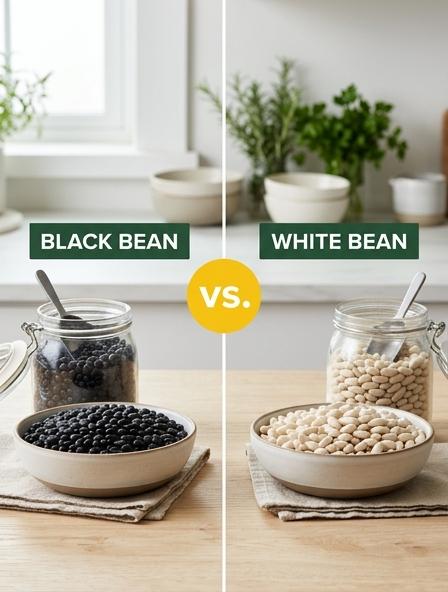
Black Bean and White Bean Nutritional Differences and Health Impacts
Both black and white beans are nutrient-dense legumes, yet they offer distinct health benefits. Black beans are renowned for their high concentration of anthocyanins-antioxidants also found in berries-which support cardiovascular health and combat oxidative stress. In contrast, white beans, such as Cannellini or Great Northern, typically provide slightly more protein and essential minerals like potassium and iron, which are vital for nerve function and muscle recovery.
- Black Beans: Superior antioxidant profile and high fiber for digestive regularity.
- White Beans: Exceptional source of folate and a low glycemic index ideal for blood sugar management.
While their caloric profiles are remarkably similar, the choice between them often depends on your specific culinary and dietary goals. Black beans provide a dense, earthy flavor, while white beans offer a mild, buttery consistency. You may opt for the earthy bite of black beans in a vibrant taco bowl or lean into the silky texture of white beans for a comforting, protein-rich pureed soup.
Texture and Cooking Performance in Traditional Bean Dishes
The culinary utility of black versus white beans is largely defined by their structural integrity during heat application. Black beans are celebrated for their dense, "meaty" texture and thick skins, which allow them to remain whole and firm even after hours of simmering. Conversely, white beans-such as Navy, Great Northern, or Cannellini-possess a thinner epidermis and a higher starch content, causing them to soften and go "creamy" more rapidly.
- Black Beans: Maintain a distinct bite; perfect for salads and stews.
- White Beans: Breakdown easily; ideal for thickening broths and creating smooth purees.
Home cooks often prefer white beans when whisking together a velvety, slow-cooked Tuscan soup where the legumes dissolve into a rich base, while black beans are the top choice for a vibrant Caribbean rice-and-bean bowl where every grain and bean must stay perfectly separate.
Flavor Profile and Seasoning Compatibility for Home Cooks
Choosing between black and white beans depends largely on the flavor depth and texture your recipe requires. Black beans possess an earthy, slightly sweet profile with a dense, "meaty" bite that holds up well during long simmers. Conversely, white beans-such as Cannellini or Great Northern-offer a mild, nutty, and buttery taste with a delicate skin that creates a natural creaminess in sauces and stews.
- Black Beans: Thrive when paired with bold, pungent spices like cumin, smoky chipotle, lime, and fresh cilantro.
- White Beans: Excel alongside aromatic herbs such as rosemary, sage, garlic, and bright lemon zest.
A home cook might reach for hearty black beans to anchor a spicy, vibrant Southwestern salad, while selecting velvety white beans to simmer into a classic, herb-infused Italian minestrone.
Antioxidant Content and Micronutrient Profiles of Each Variety
While both legumes are nutritional powerhouses, their micronutrient profiles vary based on their pigment-derived compounds. Black beans are characterized by high concentrations of anthocyanins-the same potent antioxidants found in blueberries-which help neutralize free radicals. White beans, such as Navy or Cannellini, offer a different profile, focusing on essential minerals and B-vitamins.
- Black Beans: Superior in iron, magnesium, and manganese, supporting oxygen transport and bone density.
- White Beans: Higher in folate (Vitamin B9) and potassium, which are vital for DNA synthesis and heart health.
Both varieties deliver approximately 15 grams of protein and fiber per cup, aiding in metabolic regulation and satiety. Home chefs often reach for the robust, earthy flavor of black beans for high-energy Southwest salads, while those craving a velvety, nutrient-dense base for traditional Italian minestrone typically favor the creamy texture of white beans.
Preparation Duration and Soaking Requirements for Dry Legumes
Transforming dry black and white beans into tender, digestible ingredients requires patience and proper hydration. Both varieties benefit significantly from an 8-hour overnight soak or a "quick soak" method-boiling for two minutes and resting for one hour. Soaking not only reduces the final cooking duration by approximately 25% but also helps break down complex sugars that cause digestive discomfort. Once prepared, cooking times remain relatively consistent across both types:
- Black Beans: Typically require 60 to 90 minutes of simmering to achieve a creamy texture.
- White Beans: Larger Cannellini or Great Northern beans take 60 to 90 minutes, while smaller Navy beans may soften in just 45 to 60 minutes.
For the perfect weekend comfort meal, many home cooks prefer slow-simmering pre-soaked black beans with a savory ham hock to create a rich, velvety soup that nourishes the soul.
Fiber Density and Digestive Health Benefits for the Family
When comparing black beans and white beans, both serve as exceptional sources of dietary fiber, though their profiles differ slightly. Black beans provide approximately 15 grams of fiber per cup, which is vital for heart health and steady digestion. White beans, such as Navy or Cannellini, often boast a higher density, reaching up to 19 grams per cup, making them one of the most efficient plant-based sources for gut health.
- Black Beans: Rich in soluble fiber and anthocyanins that support metabolic health.
- White Beans: High in resistant starch, which acts as a prebiotic to fuel good gut bacteria.
- Family Wellness: Both varieties help regulate blood sugar and prevent digestive discomfort.
You might enjoy mashing white beans into a creamy pasta sauce to discreetly boost your children's fiber intake without altering the flavor or appearance of their favorite meal.
Visual Appeal and Color Preservation in Prepared Meals
Choosing between black beans and white beans often depends on the desired aesthetic of the final dish. Black beans provide a bold, dramatic contrast, making them a favorite for Southwest salads and festive taco bowls. However, their dark skins contain water-soluble pigments that can bleed, potentially tinting rice or broths a purplish-grey. White beans, such as Cannellini or Navy beans, are prized for their ability to blend seamlessly into creamy textures without altering the overall color profile of the meal.
- Black Beans: Best for high-contrast visual impact in dry or cold dishes.
- White Beans: Ideal for maintaining the clarity and brightness of soups, stews, and light sauces.
You might choose white beans when crafting a delicate garlic and herb pasta where a clean, sophisticated appearance is more important than a pop of dark color.
Protein Levels and Satiety in Plant Based Cooking
When evaluating black beans versus white beans, both emerge as essential staples for plant-based nutrition. While their culinary applications vary, their ability to promote satiety through high fiber and protein content remains a shared strength. Typically, these legumes provide between 15 and 17 grams of protein per cooked cup, making them excellent meat substitutes.
| Bean Type | Key Benefit | Texture |
|---|---|---|
| Black Beans | High Antioxidants | Dense/Meaty |
| White Beans | Higher Protein | Creamy/Soft |
The high fiber-to-protein ratio in both beans slows digestion, which helps regulate blood sugar and keeps you feeling full longer. While black beans are prized for their earthy depth in Latin dishes, white beans like Cannellini are favored for their slightly higher protein density and blending capabilities. Fitness enthusiasts love blending white beans into a smooth, garlic-infused dip as a high-protein alternative to traditional spreads for a post-workout snack.
Traditional Culinary Applications for Black and White Beans
Black and white beans serve as foundational ingredients in diverse global cuisines, distinguished by their unique textures and flavor profiles. Black beans are central to Latin American and Caribbean cooking, where their earthy, dense structure excels in spicy stews, rice dishes, and burritos. Conversely, white beans-such as Cannellini, Navy, or Great Northern-are staples of European and Mediterranean traditions, favored for their mild taste and creamy mouthfeel.
- Black Beans: Featured in Cuban moros y cristianos, Mexican black bean soup, and hearty Southwestern salads.
- White Beans: Essential for Italian pasta e fagioli, French cassoulet, and smooth, savory dips.
You might find yourself reaching for black beans when building a robust, smoky chili for a cold evening, whereas white beans are the perfect choice when you crave a delicate, lemon-and-herb brothy soup.
Mineral Concentration and Iron Content Comparisons
When comparing black and white beans, mineral density serves as a primary differentiator for health-conscious consumers. Both legumes are nutrient-dense, yet they excel in different micronutrient categories. Black beans are typically higher in magnesium and phosphorus, whereas white beans, such as Navy or Cannellini, often provide superior levels of potassium and calcium.
Regarding iron content, both varieties are exceptional plant-based sources. While the difference is marginal, white beans frequently contain a slightly higher concentration of iron per cup, making them an ideal choice for those specifically targeting iron intake.
| Mineral | Black Beans | White Beans |
|---|---|---|
| Iron | High | Slightly Higher |
| Magnesium | Superior | Moderate |
| Potassium | Moderate | Superior |
Home cooks often reach for black beans to boost the magnesium in a vibrant Southwest salad, while those seeking a creamy, iron-packed base for a Mediterranean soup typically opt for white beans.
Black Bean vs White Bean source and external links
- Often used in Latin American cuisine, black beans are small, oval-shaped legumes packed with protein and fiber.
- Highly versatile in soups and stews, white beans are valued for their mild flavor and creamy consistency.