
Black Bean vs Pinto Bean : The Differences in Nutrition, Texture, and Culinary Impact
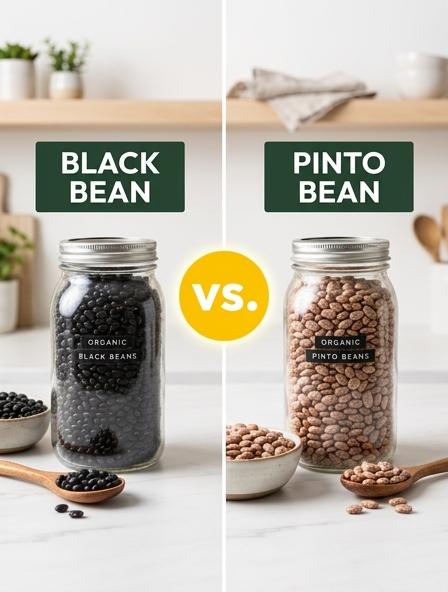
Texture and Density Variations in Common Legumes
Choosing between black beans and pinto beans often depends on the desired mouthfeel of a dish. While both provide excellent plant-based protein, their structural integrity differs significantly once cooked.
- Black Beans: These are prized for their firm, dense, and slightly "meaty" texture. They retain their uniform oval shape even under high heat, making them a staple for vibrant salads.
- Pinto Beans: Known for a creamier consistency, pinto beans have thinner skins and a higher starch content. They soften easily, creating a natural thickening effect in stews and sauces.
Because of these physical traits, black beans offer a satisfying resistance in every bite, whereas pinto beans provide a smooth, velvety richness. Home cooks typically favor the sturdy bite of black beans for a textured veggie burger, while they lean toward the buttery mash of pinto beans when preparing authentic refried beans for a family taco night.
Nutritional Profiles and Fiber Content for Family Health
When comparing black beans versus pinto beans, both emerge as exceptional sources of plant-based protein and complex carbohydrates. For family health, their most significant contribution is dietary fiber, which aids digestion and promotes long-term heart health. While black beans are darker due to high antioxidant levels (anthocyanins), pinto beans offer slightly higher concentrations of folate and manganese.
- Fiber Content: Both provide roughly 15g per cup, meeting over half the daily recommended intake.
- Protein Power: Each contains approximately 15g of protein to support muscle growth and repair.
- Essential Minerals: Both varieties are rich in magnesium, potassium, and non-heme iron.
Because their nutritional values are so closely matched, the choice often comes down to texture and culinary application. Busy parents love mashing creamy pinto beans into quick weekday burritos, while using firm black beans to add a nutritional punch and vibrant color to refreshing summer corn salads.
Earthy Flavor Profiles and Culinary Impact
While both legumes share an earthy foundation, their culinary applications diverge based on texture and flavor intensity. Black beans are characterized by a dense, meaty bite and a subtle, mushroom-like sweetness. They maintain their structural integrity under high heat, making them a staple for aesthetic contrast in vibrant dishes. Conversely, pinto beans possess a softer, creamier profile with nutty undertones, easily breaking down to thicken liquids during the cooking process.
- Black Beans: Best for salads, tacos, and grain bowls where a distinct, firm texture is required.
- Pinto Beans: Preferred for refried beans, burritos, and slow-cooked stews due to their buttery consistency and ability to absorb spices.
You might reach for robust black beans to add a firm bite to a zesty lime salad, or opt for pinto beans when you want a rich, velvety base for a traditional pot of smoky chili.
Soaking Requirements and Softening Durations for Dried Varieties
Preparing dried black beans and pinto beans requires similar techniques but yields different textural results. Both varieties benefit from a traditional overnight soak of 8 to 12 hours to break down complex sugars and decrease total stovetop time. If you are short on time, the "quick soak" method-boiling for two minutes followed by a one-hour rest-works effectively for both.
- Black Beans: Once soaked, they generally cook in 60 to 90 minutes, maintaining a firm, distinct shape.
- Pinto Beans: These typically require 90 to 120 minutes of simmering to achieve their signature creamy interior.
While black beans are prized for their density in soups, pinto beans soften into a rich, velvety texture ideal for traditional mashes. You might choose the long-soak pinto method when planning a slow-cooked batch of smoky refried beans for a weekend family feast.
Visual Contrast and Aesthetic Appeal in Plated Dishes
The visual impact of a meal often dictates the choice between black beans and pinto beans. Black beans offer a sophisticated, high-contrast look; their deep, midnight-inky skins provide a striking pop against bright ingredients like yellow corn, white rice, or lime-green cilantro. In contrast, pinto beans offer a warmer, more muted palette, turning a creamy pinkish-brown when cooked, which lends a rustic and traditional feel to the plate.
- Black Beans: Best for modern, vibrant salads and structured plating where distinct color separation is desired.
- Pinto Beans: Ideal for earthy, homestyle stews and creamy textures that blend into a cohesive, comforting appearance.
Ultimately, the aesthetic choice shifts the mood of the cuisine from bold and contemporary to soft and nostalgic. You might choose the dramatic silhouette of black beans to elevate a gourmet taco bowl, while traditionalists prefer the speckled, speckled-to-brown transition of pinto beans for an authentic, slow-cooked Texas chili.
Digestive Impact and Plant Based Protein Comparisons
When comparing black beans and pinto beans, both emerge as exceptional sources of plant-based protein, offering approximately 15 grams per cooked cup. This makes them vital staples for muscle recovery and metabolic health. Regarding digestive impact, both legumes contain oligosaccharides-complex sugars that can cause gas. However, because black beans have a slightly thicker skin, they provide a higher hit of fiber, whereas pinto beans are often noted for their creamier texture which some find gentler on the stomach.
- Protein Content: Nearly identical at 15g per cup, supporting lean muscle mass.
- Fiber Levels: Both provide over 50% of your daily requirement, aiding blood sugar regulation.
- Digestibility: Soaking either variety before cooking neutralizes anti-nutrients and reduces bloating.
If you are prepping a slow-cooked chili for a cold weekend, you will likely prefer the way pinto beans break down into a creamy, comforting base that satisfies your hunger for hours.
Creaminess and Mashing Suitability for Filling Sides
Texture plays a pivotal role in choosing between black and pinto beans, especially for side dishes. Pinto beans are the clear winner for creaminess; their thin skins and high starch content allow them to break down into a smooth, buttery consistency with minimal effort. Black beans, conversely, have a much firmer hull and a denser interior.
- Pinto Beans: Highly malleable and soft, making them ideal for velvety textures and spreads.
- Black Beans: Maintain structural integrity, resulting in a chunky or "meaty" mash rather than a smooth one.
While black beans provide a satisfying bite in a side dish, they lack the natural "smush" factor required for certain traditional recipes. Consequently, many home cooks reach for pinto beans when they want to create a rich, silky layer of refried beans to serve alongside Spanish rice or as a spreadable base for a crispy tostada.
Pantry Storage Longevity and Bulk Use
When comparing black beans and pinto beans for long-term storage, both varieties are exceptional candidates for a sustainable pantry. Dried beans generally maintain peak nutritional value and flavor for 2 to 3 years when stored in a cool, dry environment. While they remain safe to consume indefinitely, older beans may require longer soaking and cooking times to achieve the desired texture.
Both legumes are ideal for bulk purchasing due to their high caloric density and low cost. Consider these common storage methods for maximizing shelf life:
- Airtight glass jars for frequent rotation and easy access.
- Mylar bags with oxygen absorbers for long-term emergency supplies.
- Food-grade buckets to prevent moisture and pest intrusion.
Black beans typically maintain their firm shape better during large-batch pressure cooking, while pinto beans are favored for their creamy consistency in mass-produced stews. You might prefer stocking up on pinto beans if you love hosting large family gatherings with bottomless bowls of creamy refried beans and warm tortillas.
Shape Retention and Performance in Pressure Cookers
Choosing between black beans and pinto beans for pressure cooking depends largely on your desired final texture. Black beans feature a thicker seed coat, which provides superior structural integrity. They resist bursting even under intense steam pressure, making them the gold standard for dishes requiring distinct, whole legumes.
- Black Beans: High shape retention; skins remain intact; provides a firm "bite."
- Pinto Beans: Moderate shape retention; thinner skins; dissolves into a creamy base.
Pinto beans have a higher tendency to split and release starches, which is beneficial for naturally thickening cooking liquids but less ideal for visual definition. In a high-pressure environment, black beans maintain their "al dente" quality, while pinto beans quickly transition into a soft, mashable consistency. You might prefer the resilient black bean for a colorful, meal-prepped burrito bowl, whereas the pinto bean is your best bet for creating a velvety, authentic batch of pressure-cooked refried beans.
Satiety Levels and Caloric Impact on Daily Diets
Both black and pinto beans are nutritional powerhouses that significantly enhance satiety due to their dense fiber and protein content. While their caloric impact is remarkably similar, minor variations exist in their nutritional profiles per half-cup serving:
- Black Beans: Approximately 114 calories and 7.5g of fiber.
- Pinto Beans: Approximately 122 calories and 7.7g of fiber.
The high fiber content in both legumes slows digestion and helps regulate blood sugar, preventing the mid-afternoon energy crashes often associated with simple carbohydrates. Because they provide a "heavy" feel without excessive calories, they are staple ingredients for sustainable weight management and plant-based nutrition. Many busy professionals prefer prepping a zesty black bean and corn salad for a low-calorie office lunch that keeps them energized and satisfied until dinner.
Black Bean vs Pinto Bean source and external links
- Black beans are small, oval-shaped legumes that are highly valued in Latin American cuisine for their dense texture and high protein content.
- Commonly used in Mexican dishes, pinto beans are speckled legumes that turn a creamy solid brown when cooked.