
Black Bean vs Kidney Bean: Comparing Nutrition, Texture, and Culinary Differences
Nutritional Profiles and Daily Health Values
Black beans and kidney beans are nutritional powerhouses, offering exceptional plant-based protein and dietary fiber. While their caloric counts are similar, their micronutrient densities vary slightly. Black beans are renowned for their high antioxidant content, specifically anthocyanins found in their dark skins, which support cardiovascular health. Kidney beans, conversely, provide a slightly higher concentration of iron and omega-3 fatty acids, essential for oxygen transport and cognitive function.
- Protein: Approximately 15g per cooked cup for both varieties.
- Fiber: Nearly 15g, aiding in digestion and satiety.
- Low Glycemic Index: Both help stabilize blood sugar levels effectively.
- Minerals: Rich in folate, magnesium, and potassium.
You might prefer the dense, earthy flavor of black beans in a zesty corn salsa, while choosing the hearty texture of kidney beans to provide a robust base for a slow-simmered classic beef chili.
Texture Consistency in Simmered Dishes
When comparing black beans and kidney beans in slow-cooked recipes, their physical structure determines how they respond to prolonged heat. Black beans are smaller with a relatively thin skin; they maintain a firm "pop" when bitten but can be easily mashed to create a creamy consistency. Conversely, kidney beans have a much tougher exterior and a dense, mealy interior, making them highly resistant to breaking down even after hours of simmering.
- Black Beans: Soften more quickly and contribute to a velvety broth.
- Kidney Beans: Retain their distinct shape and provide a substantial, meaty bite.
Chefs typically reach for kidney beans when preparing a robust, chunky chili that requires hours on the stove, whereas black beans are the favorite for achieving the smooth, uniform texture of a traditional Cuban black bean soup.
Flavor Profiles and Culinary Performance
Distinguishing between black beans and kidney beans is essential for achieving the desired taste and texture in your recipes. Black beans offer a mild, earthy flavor with a subtle sweetness and a dense, velvety texture that holds its shape well during cooking. In contrast, kidney beans feature a more robust, slightly nutty profile and a thicker skin, making them excellent at absorbing bold spices in liquid-heavy dishes.
- Black Beans: Best for Latin American cuisine, rice bowls, and veggie burgers due to their creamy interior.
- Kidney Beans: Ideal for hearty chilis, slow-cooked stews, and salads where structural integrity is required.
While both legumes provide high fiber and protein, their culinary applications rarely overlap perfectly. Black beans provide a delicate finish to light summer dishes, whereas kidney beans offer a meaty bite that withstands long simmering times. You might prefer the tender texture of black beans in a zesty burrito, while a home chef would reach for kidney beans to anchor a rich, spicy pot of classic beef chili.
Firmness and Shape Retention under Heat
When comparing black beans and kidney beans, their structural integrity during cooking is a primary differentiator. Kidney beans possess a thicker skin and a dense, meaty interior, which allows them to withstand high heat and long simmering periods without disintegrating. Black beans, while still relatively firm, are smaller and have thinner skins, making them more prone to softening if subjected to excessive boiling.
- Kidney Beans: Exceptional shape retention; perfect for slow-cooked stews and acidic environments.
- Black Beans: Moderate firmness; ideal for quick-cooking soups, salads, and side dishes where a softer bite is desired.
Because of these textures, kidney beans excel in hearty recipes where you want a distinct, visible bean, whereas black beans offer a creamier mouthfeel that integrates smoothly into mixed bases. You might choose kidney beans for a robust, slow-simmered chili to ensure the legumes maintain their chunky texture after hours on the stove.
Color Impact and Visual Presentation
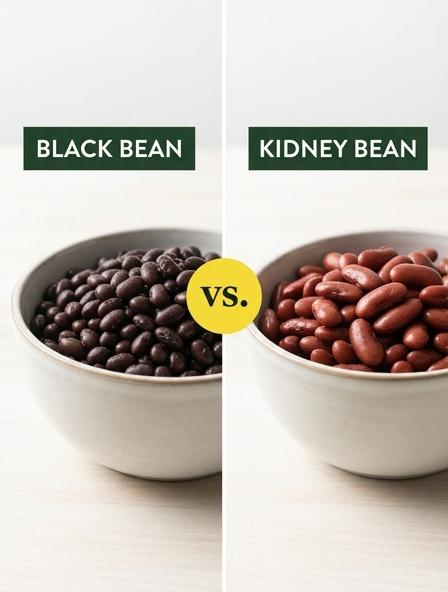
The visual distinction between black beans and kidney beans significantly influences a dish's final aesthetic. Black beans provide a sleek, uniform look with their small size and jet-black skins. However, they contain anthocyanins that bleed during cooking, often tinting rice or sauces a dark, grayish-purple. Kidney beans offer a bold, deep crimson contrast and a larger, kidney-shaped silhouette that remains distinct without staining other ingredients as intensely.
- Black Beans: Best for monochromatic or high-contrast Latin-style dishes.
- Kidney Beans: Ideal for adding vibrant pops of red to multi-ingredient recipes.
The choice often dictates whether a meal looks minimalist and refined or rustic and hearty. You might choose the striking red hue of kidney beans when preparing a classic three-bean salad to ensure each ingredient stands out visually for your dinner guests.
Fiber Density and Satiety Factors
When comparing black beans and kidney beans, fiber density is the primary driver of satiety. Both legumes are exceptional sources of soluble and insoluble fiber, which slow digestion and stabilize blood glucose levels. This biochemical process triggers stretch receptors in the stomach and signals the brain that you are full, effectively reducing overall calorie intake.
| Nutrient (per cup, cooked) | Black Beans | Kidney Beans |
|---|---|---|
| Dietary Fiber | ~15.0g | ~13.1g |
| Resistant Starch | High | Very High |
While black beans offer slightly more fiber per cup, kidney beans are often noted for their thicker skins and higher resistant starch content, which may prolong the feeling of fullness even further. Busy professionals often stir kidney beans into their slow-cooker stews to ensure they stay energized and satisfied from lunch all the way through a late evening gym session.
Preparation Times and Softening Characteristics
The cooking duration and texture of these legumes depend largely on their size and skin density. Black beans, being smaller with thinner skins, typically soften faster than kidney beans. While both varieties benefit from soaking to improve digestibility and reduce stovetop time, their structural integrity during the softening process differs significantly.
| Attribute | Black Bean | Kidney Bean |
|---|---|---|
| Average Cook Time | 45–60 minutes | 60–90 minutes |
| Softening Profile | Creamy and uniform | Dense and sturdy |
You might prefer the quick-softening black bean for a velvety morning burrito, whereas the kidney bean is the ideal choice when you need a hearty legume that maintains its distinct shape in a spicy, slow-simmered Sunday chili.
Caloric and Macronutrient Breakdown
When comparing black beans and kidney beans, the caloric and macronutrient differences are marginal, making them both excellent staples for plant-based nutrition. Both legumes are rich in complex carbohydrates and contain negligible fat, providing sustained energy and satiety.
| Nutrient (per 100g cooked) | Black Beans | Kidney Beans |
|---|---|---|
| Calories | 132 kcal | 127 kcal |
| Protein | 8.9g | 8.7g |
| Dietary Fiber | 8.7g | 6.4g |
While their protein levels are nearly identical, black beans typically offer a higher fiber concentration, which can assist in digestive health and a lower glycemic response. You might choose the robust texture of kidney beans for a hearty, slow-cooked chili or opt for black beans to add a nutrient-dense punch to a fresh Mediterranean grain bowl.
Compatibility with Various Cooking Methods
Both black beans and kidney beans are versatile legumes, but their structural differences dictate their best uses in the kitchen. Black beans have thinner skins and a denser texture, making them ideal for quick simmering, pressure cooking, and sautéing. They hold their shape well in high-heat applications like stir-fries or as taco fillings.
- Slow Cooking: Kidney beans excel here, as their thick skins prevent them from disintegrating during long braises.
- Pressure Cooking: Black beans cook significantly faster, often reaching perfect tenderness in half the time.
- Boiling: Kidney beans require a vigorous initial boil to neutralize lectins, whereas black beans are more forgiving.
While kidney beans provide a creamy mouthfeel in heavy stews, black beans offer a firm bite in salads and grain bowls. You might choose the robust, floury texture of kidney beans when preparing a classic, slow-simmered beef chili that needs to cook for several hours to develop deep flavors.
Stability and Quality After Reheating
When comparing black beans and kidney beans, both legumes are celebrated for their exceptional structural integrity, making them ideal candidates for meal prep. Their dense cellular structure allows them to withstand multiple reheating cycles without disintegrating into a uniform paste.
Kidney beans generally offer superior resilience due to their thicker seed coats, which act as a protective barrier against thermal breakdown. Black beans are similarly stable but tend to release more starch during reheating, which can enhance the creaminess of the surrounding sauce while the bean itself remains intact.
- Kidney Beans: Maintain a firm, meaty bite even in slow-cooked stews.
- Black Beans: Retain their shape while contributing to a thicker, richer liquid consistency.
Busy professionals often prefer batch-cooking a large pot of kidney bean chili on Sunday, knowing the beans will stay perfectly firm and flavorful for a quick microwaveable office lunch throughout the week.
Black Bean vs Kidney Bean source and external links
- Black beans are small, oval-shaped legumes widely used in Latin American cuisine for their dense texture and earthy flavor; learn more about black beans.
- Kidney beans are large, reddish-brown pulses named for their resemblance to the human organ and are a staple ingredient in chili and stews; find details on kidney beans.
Black beans and kidney beans are nutritional powerhouses that offer unique benefits to various cuisines. While both legumes provide excellent sources of plant-based protein, fiber, and essential minerals like iron, they differ significantly in sensory profile. Black beans possess a mild, earthy flavor and a soft, creamy texture, making them ideal for soups and Latin American staples. In contrast, kidney beans feature a robust, nutty taste and a thicker skin that maintains its structural integrity during long cooking processes, such as in hearty chilis or stews. Nutritionally, black beans boast higher antioxidant levels, while kidney beans offer slightly more protein. Ultimately, the choice between these versatile beans depends on your specific culinary goals and desired mouthfeel, ensuring a nutrient-dense addition to any meal.