
Black Bean vs Black Soybean : Comparing Nutrition, Texture, and Culinary Differences
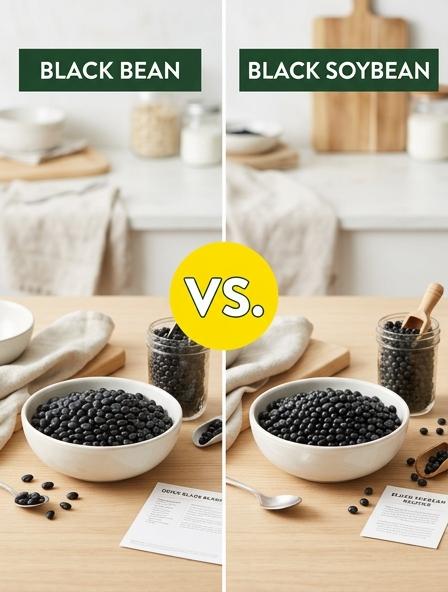
Navigating the world of legumes can be tricky, especially when choosing between black beans and black soybeans. While they might look identical at a glance, their nutritional profiles and culinary uses are surprisingly distinct. Traditional black beans are starchy favorites prized for their earthy sweetness and soft, creamy texture in Latin dishes. Conversely, black soybeans are a low-carb, high-protein alternative favored by keto enthusiasts for their firm bite and mild flavor. Whether you're prioritizing fiber-rich complex carbs or seeking a plant-based protein boost with fewer net carbs, understanding these texture and nutrient trade-offs ensures your next meal is both delicious and diet-friendly.
Comparative Nutrient Density of Dark Legume Varieties
Understanding the distinction between black beans and black soybeans is vital for optimizing macronutrient intake. While they appear identical in color due to anthocyanin antioxidants, their chemical compositions differ significantly. Black beans (Phaseolus vulgaris) are starchy legumes, providing high complex carbohydrates and fiber. In contrast, black soybeans (Glycine max) are protein-dense and low in net carbohydrates, making them a staple for ketogenic and low-glycemic diets.
| Feature | Black Bean | Black Soybean |
|---|---|---|
| Primary Macro | Carbohydrates | Protein & Fats |
| Net Carbs | High | Very Low |
| Phytoestrogens | Low | High (Isoflavones) |
You might prefer the earthy sweetness of black beans for a traditional fiber-rich soup, or opt for black soybeans to maintain ketosis while enjoying a hearty, protein-packed chili.
Texture and Performance in Traditional Slow Cooked Recipes
The culinary behavior of these two legumes depends largely on their starch content. Standard black beans are high in starch, which leaches out during long simmering periods to create a naturally thick, velvety broth. In contrast, black soybeans are low-carb and high-protein; they lack the starch necessary to thicken liquids and possess a much sturdier cell structure. Even after hours in a slow cooker, black soybeans maintain an "al dente" firmness and retain their individual shape without turning to mush.
- Black Beans: Break down easily, creating a creamy consistency ideal for stews.
- Black Soybeans: Stay firm and meaty, making them a popular substitute in low-carb diets.
A home cook might choose traditional black beans for a rich, thick Cuban black bean soup, whereas a keto enthusiast would prefer black soybeans in a slow-cooked chili to ensure the beans provide a satisfying, firm bite that doesn't dissolve into the sauce.
Protein and Carbohydrate Differences for Healthy Family Meals
When planning nutritious family meals, understanding the macronutrient profiles of black beans versus black soybeans is essential. While they look similar, their nutritional impact differs significantly, particularly regarding blood sugar management and muscle support.
- Black Beans: These are high-starch legumes, providing approximately 20 grams of carbohydrates per half-cup serving, making them an excellent source of steady energy for active children.
- Black Soybeans: These are a keto-friendly powerhouse, containing significantly more protein and only a fraction of the net carbs found in traditional varieties.
Black soybeans offer a complete protein source, containing all essential amino acids, whereas black beans must be paired with grains like rice to achieve a complete profile. This makes black soybeans an ideal substitute for those monitoring their glycemic index or following a low-carb lifestyle.
For a heart-healthy Tuesday night dinner, try swapping traditional black beans for black soybeans in your family's favorite chili recipe to enjoy a protein-packed meal that keeps everyone full without the typical carb heavy slump.
Cooking Durations and Liquid Absorption in Pot Preparations
Understanding the textural differences between black beans and black soybeans is essential for stovetop success. Traditional black beans contain high starch levels, requiring significant liquid to gelatinize and soften. In contrast, black soybeans are higher in protein and oil, maintaining a firmer structure even after extended boiling. While black beans create a thick, creamy broth as they release starch, soybeans produce a thinner liquid, making them ideal for salads or clear soups.
| Metric | Black Beans | Black Soybeans |
|---|---|---|
| Average Cook Time | 60–90 minutes | 45–60 minutes |
| Liquid Absorption | High (3:1 ratio) | Moderate (2:1 ratio) |
Because they do not break down into a mushy consistency, many keto enthusiasts prefer using black soybeans in spicy chili recipes to mimic the bite of traditional legumes while keeping the net carb count low.
Aesthetic Quality and Pigmentation in Stews and Soups
The primary visual difference between black beans and black soybeans lies in their pigment stability during the cooking process. Standard black beans (Phaseolus vulgaris) are rich in anthocyanins that leach easily, transforming the surrounding liquid into a dark, opaque, and often ink-like broth. Conversely, black soybeans tend to bleed less color, allowing the cooking liquid to remain relatively clear while the beans themselves maintain a glossy, firm exterior.
| Feature | Black Bean | Black Soybean |
|---|---|---|
| Broth Color | Deep Purple/Black | Translucent/Grey-brown |
| Skin Integrity | Softens and Blends | Remains Smooth and Intact |
Home cooks often choose standard black beans when they want a rich, velvety Cuban-style soup, while those preparing a clear Asian herbal tonic prefer black soybeans to keep the broth light and visually refined.
Dietary Fiber Impact and Digestive Wellness
Both legumes are nutritional powerhouses for gut health, yet they offer distinct fiber profiles. Black beans are exceptionally high in soluble fiber, which helps stabilize blood sugar and lower cholesterol. Conversely, black soybeans provide a superior fiber-to-net-carb ratio, making them an ideal choice for metabolic health and those following low-glycemic diets.
| Feature | Black Bean | Black Soybean |
|---|---|---|
| Primary Fiber Benefit | Soluble fiber / Satiety | High fiber / Low net carbs |
| Digestive Speed | Moderate | Slow (Keto-friendly) |
While both promote beneficial gut bacteria through fermentation, black soybeans are often favored by those looking to reduce bloating. If you are preparing a high-protein vegetarian chili for a low-carb meal prep, choosing black soybeans allows you to enjoy a rich, fibrous texture without the typical carbohydrate heavy-load or digestive sluggishness.
Natural Flavor Profiles and Earthy Characteristics
While they share a dark appearance, black beans and black soybeans offer distinct sensory experiences. Black turtle beans are celebrated for their deep, earthy foundation and a hint of natural sweetness that develops during cooking. Their high starch content creates a velvety, creamy mouthfeel ideal for thickening liquids. Conversely, black soybeans provide a savory, nutty profile with a much firmer, meatier bite. Because they are lower in starch and higher in protein, they maintain their structural integrity even under high heat.
| Attribute | Black Bean | Black Soybean |
|---|---|---|
| Primary Flavor | Sweet, Earthy | Savory, Nutty |
| Texture | Soft, Starchy | Firm, Dense |
You might reach for the rich earthiness of black beans when simmering a traditional Cuban black bean soup, whereas many people prefer the nutty, low-carb profile of black soybeans for a protein-packed addition to a fresh garden salad.
Mineral Levels and Home Cooking Nutrition
Choosing between black beans and black soybeans involves balancing specific micronutrients. While both varieties are nutrient-dense, black soybeans typically provide superior levels of iron, calcium, and potassium, making them an excellent choice for those tracking electrolytes. Standard black beans, however, remain a top source of magnesium and folate.
| Mineral Profile | Black Bean | Black Soybean |
|---|---|---|
| Iron | High | Very High |
| Potassium | Good | Excellent |
| Calcium | Moderate | High |
To maximize mineral bioavailability at home, soaking either bean is essential to neutralize phytic acid, which otherwise hinders absorption. You might prefer slow-simmering black soybeans with a piece of kombu to create a mineral-rich, low-carb base for a savory keto chili during your meal prep Sunday.
Heat Stability and Seed Firmness in Various Cooking Methods
The structural response to heat differs significantly between black beans and black soybeans due to their carbohydrate and protein compositions. Traditional black beans are high in starch; as they cook, the starch granules gelatinize, resulting in a soft, creamy texture that eventually breaks down. Conversely, black soybeans contain minimal starch and higher protein levels, providing exceptional heat stability.
- Black Beans: Tend to lose shape and soften, making them ideal for thickening stews or making refried beans.
- Black Soybeans: Retain a firm, "al dente" bite even after prolonged boiling or high-pressure cooking.
This difference in seed firmness determines their best culinary applications. While black beans are prized for their velvety consistency in soups, black soybeans are the preferred choice for dishes requiring defined texture. You will find that black soybeans are the perfect low-carb substitute for a slow-cooker chili where you want every bean to remain intact and firm rather than dissolving into the base.
Satiety and Caloric Density for Daily Meal Planning
When balancing daily macros, understanding the caloric density of your legumes is essential. Black beans are starch-heavy, providing steady energy through complex carbohydrates. Conversely, black soybeans are a low-carb powerhouse, containing significantly more protein and healthy fats. Because protein and fat trigger more fullness hormones than starch, black soybeans often offer superior satiety per serving, despite having a slightly higher caloric density.
- Black Beans: Moderate calories, high fiber, and high starch; ideal for glycogen replenishment.
- Black Soybeans: Higher protein-to-carb ratio; perfect for ketogenic or low-glycemic diets.
- Fiber Impact: Both varieties are rich in fiber, which slows digestion and stabilizes blood sugar.
While a student might choose black beans for cheap, sustained brain fuel during a long study session, a fitness enthusiast often swaps them for black soybeans in a post-workout bowl to maximize muscle recovery and stay full until breakfast.
Black Bean vs Black Soybean source and external links
- The Black bean is a small, shiny variety of the common bean especially popular in Latin American cuisine for its dense, meaty texture.
- Commonly used in East Asian cooking and traditional medicine, the Black soybean is a nutritious legume known for being lower in net carbohydrates than most other bean varieties.