
Beefmaster Tomato vs Heirloom Tomato: Comparing Flavor, Texture, and Culinary Performance Differences
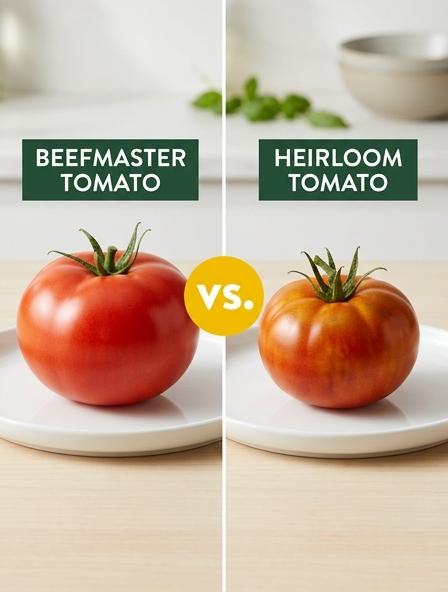
Flavor Profile Analysis for Raw and Cooked Dishes
The flavor profiles of Beefmaster and Heirloom tomatoes differ significantly due to their breeding. Beefmaster, a hybrid, offers a consistent, classic "tomatoey" tang with a balanced sugar-to-acid ratio. Its meaty texture makes it a favorite for high-heat applications. In contrast, Heirloom varieties provide a diverse spectrum of flavors-ranging from the smoky, earthy notes of a Cherokee Purple to the intense, honey-like sweetness of a Brandywine.
- Beefmaster: Mildly acidic and firm; retains its shape perfectly when roasted or grilled.
- Heirloom: Highly aromatic and juicy; often possesses thinner skins that break down into rich, artisanal sauces.
While hybrids offer reliability, Heirlooms are prized for their unique culinary personality in raw preparations. You might reach for a sturdy Beefmaster slice to top a backyard barbecue burger, but choose a vibrant, multi-colored Heirloom when you want the complex, sugary juices to be the star of a simple balsamic-drizzled salad.
Texture Comparison for Slicing and Salad Preparation
Choosing between Beefmaster and Heirloom tomatoes often depends on the desired structural integrity of the fruit. Beefmasters are hybrid heavyweights engineered for a dense, meaty interior and minimal seed cavities, which allows them to retain their shape perfectly when sliced thin. In contrast, Heirloom varieties offer a spectrum of textures, from the buttery, soft flesh of a Brandywine to the succulent, juice-filled chambers of a Black Krim. While Beefmasters provide a consistent, firm bite, Heirlooms are prized for their delicate skins and complex, often melting, mouthfeel.
- Beefmaster: High structural durability, ideal for uniform cubes and thick slabs.
- Heirloom: Variable tenderness, offering a more artisanal and juicy culinary experience.
You will likely reach for a sturdy Beefmaster when building a multi-layered burger, but you will prefer the tender, succulent texture of a sliced Heirloom when preparing a classic Caprese salad drizzled with balsamic glaze.
Cooking Stability and Moisture Release in the Oven
When subjected to high heat, the structural differences between Beefmaster and Heirloom tomatoes become evident. Beefmasters are engineered for "meatiness," featuring dense walls and smaller seed cavities. This hybrid stability ensures they retain their shape during roasting. Conversely, many Heirloom varieties possess large locules filled with juice, which can lead to significant moisture release and a collapsed texture when baked.
| Attribute | Beefmaster | Heirloom |
|---|---|---|
| Oven Integrity | High (Holds shape) | Low (Softens quickly) |
| Moisture Loss | Controlled | High/Variable |
Professional bakers often choose thick-cut Beefmaster slices for open-faced tarts to ensure the pastry stays crisp while the tomato develops a concentrated, jammy consistency without flooding the dish.
Nutritional Composition and Wellness Benefits
Comparing the Beefmaster to various Heirloom tomatoes reveals a rich profile of essential vitamins and antioxidants. As a robust hybrid, the Beefmaster provides reliable amounts of Vitamin C and lycopene, which support cardiovascular health and skin vitality. In contrast, Heirloom varieties often possess higher concentrations of diverse phytonutrients and minerals due to their preserved genetic lineages.
- Beefmaster: High in potassium and Vitamin A, supporting muscle function and vision.
- Heirlooms: Rich in specialized flavonoids and anthocyanins that help combat oxidative stress.
Wellness-conscious cooks often choose the dense Beefmaster for a vitamin-packed morning omelet, while many foodies prefer the complex nutrient density of a multi-colored Heirloom platter to serve as a functional, antioxidant-rich centerpiece at dinner parties.
Suitability for Saucemaking and Consistency Control
When comparing Beefmaster tomatoes to heirlooms for saucemaking, the primary trade-off is between predictable performance and artisanal flavor. As a hybrid, the Beefmaster is engineered for uniformity, offering dense flesh and a standardized moisture content that simplifies thickening. Heirlooms, while boasting superior flavor profiles, vary wildly in water-to-seed ratios, making consistency difficult to maintain across different harvests.
- Beefmaster: Features large, meaty interiors with fewer seed cavities, ensuring a heavy yield and stable viscosity.
- Heirlooms: Offer complex sugars and acids but often require longer reduction times due to higher juice concentrations.
The Beefmaster's reliable acidity levels and predictable ripening schedule allow for precise batch processing without constant recipe adjustments. You will value the Beefmaster's dependability during a busy canning weekend when you need thirty identical jars of smooth, thick marinara that taste exactly like your last batch.
Skin Thickness and Peel Quality for Home Canning
When selecting tomatoes for home preservation, the skin's structural integrity significantly impacts the final texture. Beefmaster tomatoes, a robust hybrid, are bred with thicker skins to prevent cracking and blossom end rot. This durability is an advantage in the garden but requires precise blanching to ensure the skins separate cleanly before jarring.
In contrast, many heirloom varieties possess thinner, more delicate skins. While these are more prone to splitting on the vine, they are often preferred by canners for their "slip-skin" quality, where the peel releases almost instantly after a brief dip in boiling water.
- Beefmaster: Resilient, thick exterior; holds shape well during dicing.
- Heirlooms: Fragile, thin skin; provides a superior mouthfeel in smooth sauces.
You will appreciate how the thin skins of a Brandywine heirloom effortlessly slide away during your weekend canning marathon, allowing you to prep gallons of silky smooth sauce with minimal effort.
Visual Comparison and Color Presentation on the Plate
Choosing between Beefmaster and Heirloom tomatoes often comes down to the desired aesthetic for your dish. The Beefmaster is a hybrid bred for impressive size and consistent, deep red hues. Its classic, lightly ribbed appearance provides uniform, meaty slices that fit perfectly across a large sandwich or burger. In contrast, Heirloom varieties offer a kaleidoscope of colors and irregular, "ugly-cool" shapes that range from dark purples and vibrant yellows to bi-color stripes.
- Beefmaster: Uniform bright red, massive proportions, and reliable roundness.
- Heirlooms: Diverse palette (green, black, orange), unique marbling, and rustic contours.
While the Beefmaster delivers that iconic "poster-child" tomato look for high-volume plating, Heirlooms provide a bespoke, gourmet flair. Imagine serving a summer Caprese salad where thick slices of deep mahogany Cherokee Purples and golden Pineapple heirlooms create a striking rainbow that wows your dinner guests.
Post-Harvest Shelf Life and Ripening Behavior
The primary difference between Beefmaster and Heirloom tomatoes lies in their structural integrity after picking. Beefmaster tomatoes, as hybrids, are bred for "holding ability." They possess thicker cell walls and skins, which significantly slow down the enzymatic breakdown that leads to softening. This results in a stable shelf life of approximately 7 to 10 days.
- Beefmaster: Ripens uniformly; maintains firmness for extended kitchen storage and easy slicing.
- Heirloom: Thinner skins; prone to rapid ripening, bruising, and radial cracking shortly after harvest.
Heirlooms often ripen from the inside out, meaning they can go from perfectly ripe to over-mature within 48 hours. Because they lack the genetic modifications for long-distance transport, they must be consumed quickly to enjoy their peak flavor profile. You might choose the Beefmaster for a reliable week-long supply of burger toppers, while the delicate Heirloom is the choice you make for an immediate, gourmet Caprese salad served the very afternoon it is plucked from the garden.
Seed Volume and Liquid Content Variations
The internal structure of a Beefmaster tomato differs significantly from traditional heirloom varieties, primarily in the ratio of flesh to moisture. Beefmasters are hybrid cultivars engineered for density; they possess smaller seed cavities (locules) and a higher percentage of solid fruit wall. In contrast, many heirloom tomatoes are characterized by large, juice-filled cavities and a higher seed volume, which often results in a more watery consistency.
| Feature | Beefmaster Tomato | Heirloom Tomato |
|---|---|---|
| Seed Density | Minimal / Concentrated | High / Distributed |
| Liquid Content | Low (Meaty) | High (Juicy) |
Home cooks typically reach for the dense Beefmaster when they want a thick, structural slice for a burger that won't soak the bun, whereas heirloom enthusiasts prize the extra juice and seeds for creating flavorful, rustic gazpachos.
Structural Performance in High-Heat Culinary Methods
The culinary utility of a tomato under high heat is determined by its cellular density and moisture content. Beefmaster tomatoes, a classic hybrid, are engineered for physical durability. Their thick pericarp walls and smaller seed cavities allow them to maintain structural integrity during roasting or grilling. Conversely, Heirloom varieties often possess thinner skins and a significantly higher juice-to-flesh ratio, which causes them to liquefy or collapse when exposed to intense temperatures.
| Tomato Type | Heat Response | Best Culinary Use |
|---|---|---|
| Beefmaster | Holds shape/firm | Grilling and Broiling |
| Heirloom | Softens/Breakdown | Saucemaking and Braising |
You might choose thick Beefmaster slices for a sturdy, charred topping on a gourmet burger, whereas an Heirloom is the preferred choice for a quick-bursting pan sauce where texture isn't the priority.
Beefmaster Tomato vs Heirloom Tomato source and external links
- The Beefmaster Tomato is a popular hybrid variety famous for producing massive, meaty fruits that can weigh up to two pounds, making them ideal for slicing. Learn more about the Beefmaster Tomato.
- Heirloom tomatoes are open-pollinated varieties passed down through generations, prized for their diverse colors, unique shapes, and superior flavor profiles. Explore the history of the Heirloom Tomato.