
Basmati Rice vs Long Grain Rice: Which is Best for Culinary Performance, Nutritional Wellness, and Glycemic Impact?
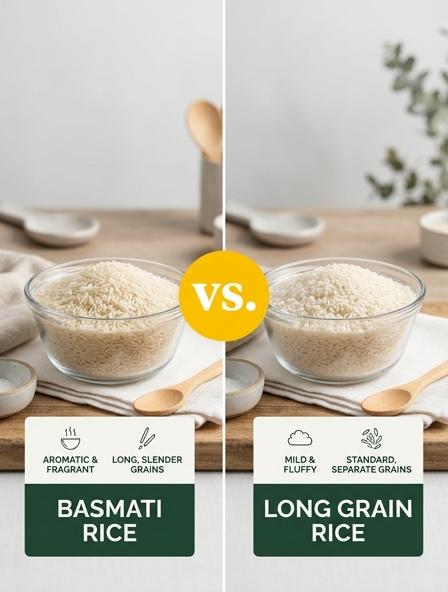
Comparing Aromatic and Neutral Variety Performance in the Kitchen
The culinary choice between Basmati and standard long-grain rice hinges on flavor intensity and texture. While both are categorized by their length-to-width ratio, Basmati is an aromatic specialty known for its nutty scent and significant elongation. Regular long-grain rice is valued for its neutrality and structural integrity.
- Basmati Rice: Features a popcorn-like aroma, slender grains, and a light, non-sticky finish.
- Long Grain Rice: Offers a subtle taste, firm bite, and stays separate after cooking.
Choosing the right grain elevates a dish from basic to authentic; for instance, many foodies reach for Basmati when crafting a fragrant saffron pilaf, but rely on classic long grain for a hearty, sauce-drenched beef stir-fry.
Nutritional Profiles and Glycemic Impact for Family Wellness
Understanding the nutritional nuances between Basmati and standard long-grain rice is essential for health-conscious households. While both varieties provide essential carbohydrates, their impact on blood glucose levels differs significantly. Basmati rice is distinguished by its lower glycemic index (GI), typically ranging from 50 to 58. This facilitates a slower release of energy compared to regular long-grain white rice, which often has a GI above 70, leading to faster insulin spikes.
- Basmati Rice: Contains higher levels of micronutrients like thiamine and folate, supporting sustained satiety.
- Long Grain Rice: Highly versatile and often enriched with iron, though its higher starch content impacts blood sugar more rapidly.
By prioritizing grains with a lower glycemic load, families can better manage metabolic health and daily energy stability. You might choose aromatic Basmati for a weekend family curry, ensuring everyone enjoys a satisfying meal that provides steady energy without the post-dinner sluggishness often caused by starchier alternatives.
Fragrance Levels and Flavor Absorption in Home Cooked Dishes
The primary distinction between Basmati and standard long-grain rice lies in their sensory impact. Basmati is world-renowned for its intense, "nutty" aroma, which stems from the natural compound 2-acetyl-1-pyrroline. This fragrance infuses the grain from within, making it a centerpiece of the meal. In contrast, regular long-grain white rice maintains a neutral scent profile, acting as a functional canvas rather than a flavor lead.
| Characteristic | Basmati Rice | Long Grain Rice |
|---|---|---|
| Aroma Profile | Floral and Popcorn-like | Neutral and Mild |
| Culinary Role | Aromatic Component | Texture/Volume Provider |
Basmati's long, slender grains remain distinct and firm, allowing it to absorb dry spices and fats without becoming clumpy. Standard long-grain rice provides a soft, fluffy texture that excels at carrying heavy liquid sauces. You might prefer the aromatic elegance of Basmati for a festive Persian jeweled rice, while opting for regular long-grain rice when you need a reliable, neutral base for a saucy beef and broccoli stir-fry.
Starch Composition and Its Influence on Culinary Results
The fundamental difference between Basmati and generic long-grain rice lies in their molecular starch profiles, specifically the ratio of amylose to amylopectin. Both varieties are categorized as high-amylose rices, which is why they remain firm and separate after cooking compared to short-grain sticky rice. However, Basmati possesses a unique crystalline structure that allows the grains to elongate significantly-often doubling in size-without breaking.
- Basmati Rice: Exceptionally high amylose prevents starch leakage, resulting in the driest, fluffiest, and most distinct grains.
- Long Grain Rice: Contains high amylose but slightly more amylopectin than Basmati, offering a tender yet separate texture that holds sauces well.
Home cooks typically reach for Basmati when crafting a fragrant Persian jeweled rice where every grain must remain a separate masterpiece, while they prefer standard long-grain for a reliable, budget-friendly side to accompany a saucy beef stew.
Caloric Density and Satiety Factors for Daily Meals
When comparing Basmati rice to standard long grain varieties, caloric density remains remarkably similar, averaging approximately 205 to 210 calories per cooked cup. However, the differentiator for daily nutrition is the Glycemic Index (GI) and its impact on satiety.
| Rice Variety | Glycemic Index | Satiety Duration |
|---|---|---|
| Basmati Rice | Low to Medium | Extended |
| Long Grain White | Medium to High | Standard |
Basmati rice contains a higher concentration of amylose, a complex starch that digests slowly. This slow transition prevents rapid insulin spikes, keeping you fuller for longer periods compared to standard long grain rice. While both serve as efficient fuel sources, Basmati's structural composition offers a metabolic advantage for appetite control and sustained energy release.
You might find that choosing Basmati for your weekday meal prep helps you stay focused and satisfied until dinner without the typical mid-afternoon hunger pangs.
Moisture Retention and Preparation Times in Modern Households
In fast-paced modern kitchens, the choice between Basmati and standard long-grain rice often depends on desired texture and available time. Basmati rice is unique for its low amylopectin content, resulting in minimal moisture retention and distinct, fluffy grains that do not stick together. Standard long-grain white rice, while similar in shape, typically retains more surface moisture, providing a slightly sturdier bite.
- Basmati: Benefits from a 20-minute soak to achieve maximum elongation, followed by a rapid 10-12 minute cook time.
- Long Grain: Requires no pre-soaking and remains stable during longer simmering periods, usually taking 15-20 minutes.
For those prioritizing efficiency, Basmati is ideal for quick aromatic pilafs, whereas home cooks preparing large batches of fried rice often prefer the reliable moisture profile of long-grain rice to ensure the grains hold their shape during high-heat tossing.
Energy Stability and Blood Sugar Impact for Healthier Living
Choosing the right rice variety is crucial for managing metabolic health and maintaining consistent energy levels. The primary difference lies in the Glycemic Index (GI), which measures how quickly carbohydrates affect blood glucose levels.
- Basmati Rice: Typically possesses a low-to-medium GI (50–58), leading to a slower, more controlled release of energy.
- Long Grain Rice: Standard white long grain varieties often have a higher GI, which can cause rapid insulin spikes followed by energy crashes.
Basmati's unique grain structure and amylose content promote sustained satiety, making it a superior choice for those monitoring their sugar intake or seeking long-term weight management. By selecting Basmati over generic long grain options, you provide your body with a steady fuel source that supports cognitive function and physical endurance. You will appreciate this steady energy during a busy afternoon at the office when you need to remain sharp and satisfied until dinner.
Texture Stability and Structural Integrity in One Pot Recipes
Choosing between Basmati and standard long-grain rice significantly impacts the success of one-pot dishes. Basmati is celebrated for its aromatic quality and dramatic lengthwise expansion, yet its delicate structure requires a gentle touch to prevent the grains from snapping. Standard long-grain rice provides superior structural integrity in high-moisture environments, making it more forgiving during the cooking process.
| Property | Basmati Rice | Long Grain Rice |
|---|---|---|
| Grain Strength | Fragile/Slender | Robust/Thick |
| Starch Release | Very Low | Low to Moderate |
Because Basmati grains are prone to breakage when stirred frequently, they excel in layered dishes where moisture is strictly controlled. You will appreciate the sturdiness of long-grain rice when preparing a rustic, one-pot Cajun jambalaya where frequent stirring and heavy proteins demand a grain that maintains its shape without turning to mush.
Digestive Wellness and Mineral Content Comparison
When evaluating Basmati rice against standard long grain varieties, the impact on digestive health and nutrient intake is significant. Basmati is widely recognized for its low to medium glycemic index, which prevents sharp insulin spikes and promotes longer-lasting satiety. It is also naturally gluten-free and easy on the stomach, making it a preferred choice for those with digestive sensitivities.
In terms of micronutrients, Basmati often holds a slight edge in natural mineral density:
- Magnesium and Potassium: Vital for maintaining healthy blood pressure levels.
- Selenium: An essential antioxidant found in higher concentrations in Basmati.
- Thiamine: Also known as Vitamin B1, crucial for energy metabolism.
While standard long grain rice provides a quick, affordable energy source, it frequently lacks the complex aromatic compounds and mineral diversity of Basmati. Home cooks often reach for Basmati when preparing a light, fragrant pilaf to ensure their guests feel energized and satisfied without the post-meal bloating typically associated with heavier starches.
Visual Appeal and Plate Consistency in Traditional Cooking
The visual presentation of a dish often depends on the specific geometry of the rice grain. Basmati rice is renowned for its extraordinary elongation, often doubling in size post-cooking to create a needle-like, elegant appearance. In contrast, standard long grain rice maintains its width and length more uniformly, providing a sturdy and reliable aesthetic.
- Basmati: Delivers a delicate, fluffy silhouette where individual grains remain completely separate and non-sticky.
- Long Grain: Offers a clean, polished look with a firm structure that holds up well under heavy sauces or gravies.
While both varieties are classified as long grain, the architectural difference on the plate is striking. Basmati provides an airy, premium feel, whereas regular long grain offers a balanced, symmetrical consistency. You will love how the long, slender grains of Basmati gracefully separate when fluffed with a fork, creating that signature professional look for your homemade saffron pilaf.
Basmati Rice vs Long Grain Rice source and external links
- Basmati rice is a slender, aromatic variety primarily grown in the foothills of the Himalayas and valued for its distinct fragrance.
- Characterized by its firm and fluffy texture when cooked, long grain rice is a versatile staple used in a wide variety of global dishes.