
Basmati Rice vs Brown Rice: Which is Best for Digestive Health, Blood Sugar Management, and Culinary Versatility?
Nutritional Profiles and Health Impact of Basmati and Brown Rice
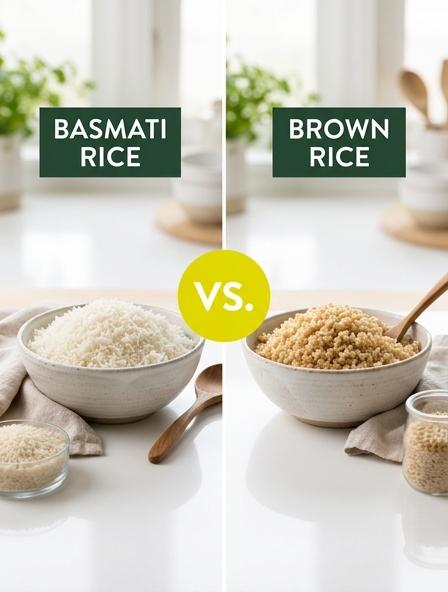
Choosing between Basmati and brown rice involves balancing glycemic response with micronutrient density. Basmati rice, particularly the white variety, is unique for its lower glycemic index (GI) compared to standard white rice, making it gentler on blood sugar. However, brown rice is a whole grain that retains its bran and germ, offering superior levels of fiber, magnesium, and phosphorus.
| Nutrient | Basmati Rice (White) | Brown Rice (Whole Grain) |
|---|---|---|
| Fiber | Low | High |
| Glycemic Index | Medium (50–58) | Medium (64–68) |
| Key Benefit | Aromatic & Fast Digesting | Satiety & Heart Health |
You might reach for fragrant Basmati when crafting a light, authentic Indian pilaf, but switch to nutty brown rice when you need a high-fiber side to keep you full throughout a busy afternoon.
Texture and Aroma Performance in Everyday Family Cooking
Choosing between Basmati and brown rice significantly impacts the sensory profile of home-cooked meals. Basmati is globaly prized for its "popcorn-like" fragrance and long, slender grains that remain distinct and fluffy after steaming. In contrast, brown rice retains its fibrous bran layer, resulting in a dense, chewy texture and a deep, nutty aroma that anchors more robust dishes.
- Basmati Rice: Offers a light, airy mouthfeel; grains expand length-wise without sticking.
- Brown Rice: Provides a firm bite and earthy scent, perfect for those seeking a more filling, whole-grain experience.
While busy parents often prefer the delicate, quick-cooking Basmati to complement a creamy butter chicken, fitness enthusiasts typically lean toward the satisfying chew of brown rice in a post-workout Mediterranean grain bowl.
Glycemic Index and Blood Sugar Response for Home Meals
Managing blood sugar is a priority for home cooking, and the choice between Basmati and brown rice significantly impacts glucose response. While standard white rice often triggers rapid insulin spikes, Basmati rice is unique due to its higher amylose content, which slows digestion. Brown rice, being a whole grain, retains its fiber-rich bran layer to ensure a steady, gradual release of energy into the bloodstream.
- Brown Rice: Features a low-to-medium GI (approx. 50–55), promoting long-term satiety and metabolic health.
- White Basmati: Surprisingly possesses a medium GI (50–58), making it a safer refined grain option for glycemic control.
- Brown Basmati: The optimal choice with the lowest GI profile, often scoring below 50.
You might prefer the fluffy texture of white Basmati for a quick weeknight stir-fry that won't cause a sugar crash, or choose nutrient-dense brown rice for meal-prepping balanced power bowls that sustain your focus throughout the workday.
Fiber Density and Digestive Benefits for Household Nutrition
When comparing Basmati rice and brown rice, fiber density serves as the primary differentiator for household nutrition. Brown rice is a whole grain that retains its bran and germ layers, providing significantly more insoluble fiber. Conversely, traditional white Basmati rice is polished, removing these fibrous components to achieve its signature light texture.
- Brown Rice: High fiber content supports regular bowel movements and stabilizes blood glucose levels.
- Basmati Rice: Lower fiber density makes it an "easily digestible" carbohydrate, ideal for quick energy.
Incorporating high-fiber grains like brown rice into a daily diet promotes satiety and gut microbiome diversity. However, for family members with sensitive digestive systems, the lower fiber profile of Basmati can prevent bloating while providing essential fuel.
You might opt for the nutty heartiness of brown rice for a filling meal-prep bowl, whereas a fragrant Basmati is your best bet for a delicate side dish that ensures your guests feel light and energized after a heavy dinner.
Caloric Impact and Satiety Levels for Household Recipes
When comparing Basmati and brown rice, the caloric density is remarkably similar, with both providing approximately 205 to 215 calories per cooked cup. However, the distinction lies in satiety-the feeling of fullness. Brown rice is a whole grain, retaining its fibrous bran and germ, which slows digestion and stabilizes blood sugar. While white Basmati has a lower glycemic index than most short-grain white rice, it lacks the dense fiber found in brown varieties.
| Metric | White Basmati | Brown Rice |
|---|---|---|
| Fiber Content | Minimal | High |
| Digestion Speed | Moderate | Slow |
Health-conscious parents often swap in brown rice for weekday meal-prepped power bowls to keep the family full until dinner, while reserving fragrant Basmati for light, aromatic weekend pilafs where a fluffy, non-sticky texture is the culinary priority.
Cooking Duration and Moisture Absorption in Standard Recipes
The primary difference between Basmati and brown rice lies in their structural composition, which directly impacts how they interact with heat and liquid. Basmati rice, typically processed to remove the husk and bran, features a porous surface that allows for rapid hydration and starch gelatinization.
- White Basmati Rice: Generally requires a 1:1.5 water ratio and completes cooking in 15 to 20 minutes.
- Brown Rice: Retains its fibrous bran layer, necessitating a higher 1:2 or 1:2.5 ratio and a longer simmering time of 40 to 50 minutes.
Because the bran on brown rice acts as a moisture barrier, it requires prolonged exposure to steam to achieve a tender texture. In contrast, Basmati grains elongate quickly, maintaining a light, non-sticky consistency. Busy home cooks often choose Basmati for quick 20-minute weeknight curries, while fitness enthusiasts prefer the slow-burning energy of brown rice for meal-prepped grain bowls that stay firm and satisfying throughout the week.
Micronutrient Concentration and Vitamin Bioavailability in Grains
The micronutrient concentration in rice is primarily determined by the retention of the bran and germ layers. Brown rice, as a whole grain, preserves a dense profile of B-vitamins (B1, B3, B6), magnesium, and phosphorus. In contrast, white Basmati rice undergoes milling, which removes these nutrient-rich layers, though it maintains a lower glycemic index than most white rice varieties.
Bioavailability-the body's ability to absorb these nutrients-is a key factor. While brown rice has higher mineral content, it also contains phytic acid, an "anti-nutrient" that can slightly hinder the absorption of iron and zinc. However, the overall nutritional density of brown varieties typically outweighs this effect for balanced diets.
- Thiamine (B1): Essential for glucose metabolism; concentrated in the rice bran.
- Manganese: Vital for bone health and metabolism; significantly higher in brown rice.
- Selenium: A powerful antioxidant found in both, but more abundant in unpolished grains.
Health-conscious meal-preppers often opt for brown rice to maximize mineral intake, whereas a chef might select white Basmati to ensure a delicate, non-sticky base for a festive saffron pilaf.
Grain Separation and Structural Integrity in Savory Dishes
Basmati rice is renowned for its elongated grains that remain distinct and fluffy after cooking. Because of its specific starch composition, it avoids clumping, making it the gold standard for pilafs and biryanis where individual grain separation is essential. Brown rice, being a whole grain, retains its fibrous bran layer. This provides a firm, chewy texture and superior structural integrity, allowing it to hold its shape even in heavy sauces or slow-cooked recipes.
- Basmati Rice: Features a light, airy mouthfeel and minimal stickiness.
- Brown Rice: Offers a dense, nutty bite that withstands vigorous stirring.
You will likely choose the delicate, separate needles of Basmati for a fragrant saffron pilaf, but reach for the hardy texture of brown rice when building a nutrient-dense Mediterranean grain bowl that needs to stay firm until lunch.
Long Term Wellness and Dietary Impact for Home Cooks
Choosing between Basmati and brown rice involves balancing metabolic health with digestive comfort. Brown rice is a whole grain, retaining the bran and germ, which provides essential fiber, magnesium, and B vitamins necessary for long-term heart health. In contrast, white Basmati is a refined grain but uniquely possesses a lower glycemic index (approx. 50–58) than standard white varieties, making it a metabolic-friendly choice for those who prefer a lighter texture.
| Benefit | Basmati (White) | Brown Rice (Whole) |
|---|---|---|
| Fiber Content | Low | High |
| Digestion Speed | Fast / Easy | Slow / Sustained |
| Micronutrients | Moderate | Excellent |
For sustainable wellness, brown rice supports stable blood sugar and gut regularity, while Basmati provides a source of energy that is gentle on the stomach without causing the sharp glucose spikes typical of short-grain white rice.
Many home chefs prefer the aromatic fluffiness of Basmati for a special Sunday biryani, while relying on the nutty satiety of brown rice for nutrient-dense weekday meal-prep bowls.
Culinary Versatility and Flavor Profiles in Main Courses
Choosing between Basmati and brown rice significantly alters the sensory profile of a meal. Basmati rice is renowned for its "popcorn-like" floral aroma and long, slender grains that stay distinct and fluffy after steaming. This makes it the ideal companion for delicate curries and pilafs. Conversely, brown rice offers a dense, chewy texture and a deep, nutty flavor because the bran and germ layers remain intact.
| Feature | Basmati Rice | Brown Rice |
|---|---|---|
| Aroma | Floral & Fragrant | Earthy & Mild |
| Best Use | Biryanis & Curries | Grain Bowls & Stir-fry |
While Basmati excels at absorbing fragrant spices without becoming mushy, brown rice provides a robust structural base for heavy proteins and roasted vegetables. You might prefer the light, airy elegance of Basmati for a traditional Indian feast, but reach for brown rice when you want a hearty, wholesome bite in your favorite Mediterranean power bowl.
Basmati Rice vs Brown Rice source and external links
- Known for its distinct fragrance and long grains, Basmati Rice is a staple aromatic variety traditionally grown in the foothills of the Himalayas.
- As a whole grain that retains its nutrient-dense bran and germ layers, Brown Rice offers more fiber and vitamins than its processed white counterparts.