
Apple Puree vs Baby Food: Are They The Same? Baking, Texture, and Nutrition
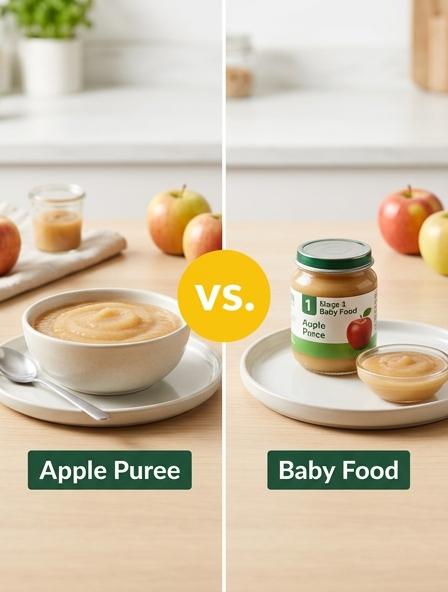
Texture and Performance Differences in Fruit Preparations
While they appear similar, apple puree and baby food serve distinct functions based on viscosity and processing. Culinary-grade apple puree is engineered for uniformity, making it a reliable fat substitute in baking due to its consistent moisture content and natural pectin levels. In contrast, commercial baby food is categorized by developmental stages, which significantly impacts its performance in recipes.
- Culinary Puree: Offers a dense, silky consistency ideal for sauces, glazes, and moisture retention in sponges.
- Stage 1 Baby Food: Typically thinner and more diluted to ensure easy swallowing for infants.
- Stage 2/3 Baby Food: Features a "mash" texture with small bits, which can cause uneven crumb structures in baked goods.
Standard purees provide a predictable pH balance and sugar concentration that industrial kitchens rely on for flavor stability. You can swap half the butter in your favorite muffin recipe for smooth apple puree to create a moist, lower-calorie treat that children and health-conscious guests will love.
Nutritional Profile Comparison of Common Baking Substitutes
When substituting fats with fruit-based alternatives, understanding the nuances between apple puree and baby food is essential for texture and health. Apple puree, often prepared as unsweetened applesauce, typically retains higher dietary fiber and a slightly coarser consistency. Conversely, commercial baby food undergoes rigorous processing to ensure a perfectly smooth texture and is strictly regulated for purity, though it often has higher water content.
- Texture: Baby food is finely strained; apple puree remains pulpy.
- Additives: Puree may contain cinnamon or spices; baby food is usually single-ingredient.
- Micronutrients: Commercial baby food often features added ascorbic acid (Vitamin C) to maintain color.
Both options effectively lower calorie density while providing natural moisture to baked goods. You might reach for a convenient jar of stage-one baby food when you need a perfectly silky consistency for delicate macarons or hidden-veggie muffins.
Moisture Content Impact on Cake and Muffin Density
When substituting fats with apple-based alternatives, moisture content is the primary factor influencing the final crumb structure. Commercial baby food is highly homogenized and strained, ensuring a consistent, high-hydration profile that integrates seamlessly into batters. Homemade apple puree, however, often contains varied pulp sizes and water ratios, which can lead to unpredictable density.
- Baby Food: Its uniform viscosity ensures even steam distribution, resulting in a moist but stable sponge.
- Apple Puree: Excessive residual water in DIY purees can collapse air pockets, leading to a heavy, gummy texture.
Managing this liquid balance is essential for maintaining structural integrity; too much moisture prevents the crumb from setting properly during the bake. Health-conscious bakers often choose jars of smooth baby food when they want to achieve a light, airy muffin that tastes indulgent without the added oils.
Sugar and Additive Levels in Commercial Fruit Bases
When analyzing the nutritional integrity of apple puree versus specialized baby food, the presence of hidden ingredients is a primary concern. Commercial fruit bases used as raw materials can vary significantly in their sugar concentration and preservation methods compared to the strictly regulated baby food market.
- Refined Sugars: While baby food relies on natural fructose, some industrial purees may include corn syrup to enhance sweetness.
- Acidity Regulators: Additives like citric acid or ascorbic acid are frequently used in bulk bases to prevent browning.
- Thickening Agents: Non-baby grade purees sometimes incorporate starches or pectins to standardize texture for industrial baking.
The choice between these products often depends on the required purity levels and the final consumer's dietary needs. You might select a laboratory-tested, additive-free apple puree when manufacturing premium organic pouches to ensure the clean-label transparency that modern parents prioritize for their infants.
Structural Integrity of Dishes Using Fruit Pulp
When comparing apple puree to commercial baby food for baking, the moisture-to-fiber ratio is critical for maintaining a dish's structural integrity. Authentic fruit pulp contains natural pectin and insoluble fibers that function as a binding agent, providing the necessary "lift" in muffins and cakes. In contrast, many commercial baby foods are heavily strained and diluted to ensure a smooth consistency for infants.
- Consistency: Puree maintains a high viscosity, supporting the crumb structure.
- Moisture Control: Baby food often introduces excess water, which can lead to a gummy or collapsed center.
- Binding Properties: Natural pulp retains more gelling pectin than over-processed alternatives.
Using a dense pulp ensures your desserts retain their shape even when substituting oil or butter for a healthier profile. You will appreciate the sturdy, moist crumb of a morning glory muffin made with thick apple puree, avoiding the sunken tops typical of thin, jarred substitutes.
Cost Efficiency of Bulk Versus Packaged Options
Deciding between DIY apple puree and pre-packaged baby food involves weighing significant financial savings against convenience. Purchasing fresh apples in bulk dramatically reduces the price per ounce, often costing a fraction of what a single commercial jar or pouch costs. Pre-packaged options carry a heavy premium due to manufacturing, specialized BPA-free packaging, and shelf-stabilization processes.
| Option | Relative Cost | Value Added |
|---|---|---|
| Bulk Fresh Apples | Low | Pure Ingredients |
| Packaged Baby Food | High | Portability |
By preparing large batches and freezing them in silicone trays, you can slash your monthly grocery bill by over fifty percent. You might find that buying a large bag of organic Fujis during a local sale allows you to stock a month's worth of snacks for the price of just four premium store-bought jars.
Vitamin and Fiber Retention During Thermal Processing
Thermal processing is a decisive factor in the nutritional profile of apple products. While commercial baby food undergoes rigorous sterilization to ensure shelf stability, high temperatures can lead to the thermal degradation of heat-sensitive micronutrients. Specifically, Vitamin C and certain polyphenols are often diminished compared to fresh apple puree.
Fiber retention also varies based on the intensity of the heat treatment:
- Commercial Baby Food: High-heat processing may break down complex cellular structures, potentially reducing insoluble fiber efficacy.
- Standard Apple Puree: Minimal heating or gentle steaming preserves more of the apple's natural pectin and dietary fiber matrix.
Maintaining a lower thermal load helps preserve the bioavailable antioxidants that support a developing immune system. You might choose to lightly steam organic apples at home to ensure your infant receives the full textural benefits and vitamin density that industrial high-heat jars can sometimes strip away.
Viscosity and Binding Properties for Culinary Applications
The primary difference between culinary apple puree and commercial baby food lies in their structural integrity and moisture content. Apple puree, often prepared with specific cultivars like Granny Smith, retains a higher concentration of natural pectin and insoluble fiber. This results in a thick viscosity that functions effectively as a fat replacer or binding agent in baking. Conversely, baby food is micro-strained to achieve a "Stage 1" silkiness, significantly increasing its water activity and reducing its ability to hold air or provide structure in complex recipes.
- Apple Puree: High pectin levels provide superior emulsification for vegan batters.
- Baby Food: Higher water-to-solid ratio can lead to "gumminess" in baked goods.
- Culinary Impact: Puree offers better mouthfeel and heat stability during reduction.
Home bakers often prefer dense apple puree when crafting moist, low-fat muffins to ensure the crumb remains structural rather than collapsing under the excess moisture found in thinner baby food alternatives.
Flavor Intensity and Concentration Variations
While both products originate from the same fruit, the flavor intensity and concentration levels of apple puree versus baby food differ due to manufacturing standards. Culinary apple puree is often processed to retain a high "Brix" level (sugar content), resulting in a robust, tart, and deeply aromatic profile. In contrast, commercial baby food is frequently pasteurized at high temperatures or slightly diluted with water to achieve a specific consistency and a milder taste suitable for an infant's developing palate.
- Apple Puree: High concentration of solids, intense natural acidity, and vibrant fruit notes.
- Baby Food: Lower intensity, standardized sweetness, and a thinner, more uniform texture.
The difference becomes most apparent when the fruit is used as a functional ingredient rather than a standalone snack. You might reach for a concentrated apple puree when whisking together a gourmet balsamic reduction to ensure the apple's bright acidity isn't lost against the pungent vinegar.
Storage Stability and Shelf Life for Household Use
Understanding the shelf-life differences between homemade apple puree and commercial baby food is essential for preventing spoilage. Commercial baby food is typically processed using high-heat sterilization or aseptic packaging, granting it a pantry life of one to two years. Conversely, homemade apple puree lacks these industrial preservatives and stabilizers, making it more vulnerable to oxidation and microbial growth.
| Storage Method | Homemade Apple Puree | Commercial Baby Food |
|---|---|---|
| Unopened Pantry | N/A (Perishable) | 12–24 Months |
| Refrigerated | 3–5 Days | 2–3 Days |
| Frozen | 3 Months | Not Recommended |
While freezing homemade portions in silicone trays is a popular strategy for meal prepping, commercial jars offer unmatched convenience for emergency storage. You might appreciate the peace of mind that comes with keeping a few long-lasting commercial jars in your diaper bag for unexpected delays during long outings.
Apple Puree vs Baby Food source and external links
- Apple puree is a smooth and nutritious sauce made from cooked apples that is frequently used as a first food for infants or a healthy substitute in baking. Apple Puree
- Baby food consists of soft, easily consumed ingredients specifically prepared to meet the nutritional needs of infants transitioning to solid diets. Baby Food