
Apple Juice vs Sugar: Comparing Nutritional Profiles, Baking Performance, and Glycemic Impact Differences
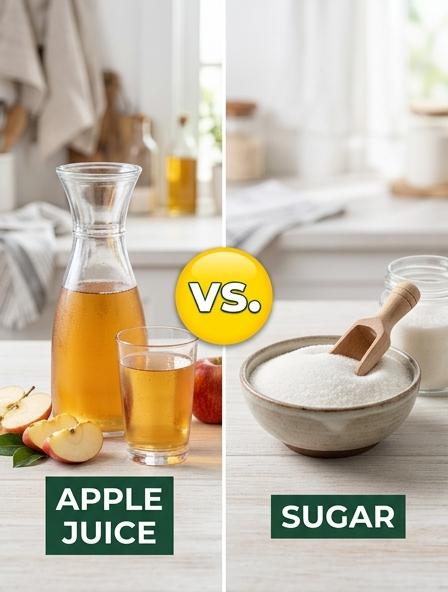
Nutritional Value Comparison of Fruit Pressings and Refined Crystals
Comparing apple juice to refined sugar highlights a significant gap in nutrient density. While both substances contain glucose and fructose, apple juice is a whole-food derivative that offers biological advantages over processed crystals.
| Nutrient | Apple Juice (100% Pure) | Refined White Sugar |
|---|---|---|
| Vitamins | Vitamin C and B-Complex | None |
| Minerals | Potassium and Manganese | None |
| Phytonutrients | High (Quercetin and Polyphenols) | Zero |
Fruit pressings retain plant-based compounds and hydration benefits, whereas refined crystals are stripped of all micronutrients during industrial processing. Opting for the liquid extract provides a broader profile of elements that support metabolic function compared to the "empty calories" found in sucrose. You might prefer a chilled glass of cloudy apple juice after a long afternoon hike to replenish electrolytes while enjoying a naturally sweet reward.
Texture and Moisture Retention in Oven-Baked Goods
The choice between apple juice and granulated sugar fundamentally alters the crumb and longevity of baked goods. Sugar is highly hygroscopic, meaning it binds with water to slow down gluten development, resulting in a tender, often crisp texture. Apple juice, while also containing natural sugars like fructose, introduces significant liquid volume and acidity.
- Granulated Sugar: Creates a light, airy structure and promotes a crunchy exterior through caramelization.
- Apple Juice: Acts as a humectant that keeps interiors dense and soft, preventing the product from drying out quickly.
The acidity in apple juice can also react with baking soda to provide a subtle lift, whereas sugar relies on mechanical aeration during the creaming process. Balancing these two requires adjusting dry ingredients to prevent gumminess. You might reach for apple juice when crafting healthy harvest muffins to ensure they remain moist and tender for several days without the need for refined sweeteners.
Metabolic Impact and Caloric Content in Family Recipes
Replacing refined sugar with apple juice in family recipes alters both the nutritional profile and the body's glycemic response. While white sugar consists of pure sucrose, apple juice provides a combination of fructose and glucose along with trace vitamins and minerals. Although both are calorie-dense, apple juice has a lower caloric concentration per gram compared to granulated sugar, though it introduces additional liquid to the mixture.
- Glycemic Load: Apple juice typically results in a more gradual rise in blood glucose than processed table sugar.
- Nutritional Value: Juice contributes potassium and Vitamin C, whereas sugar provides "empty" calories.
- Recipe Adjustment: Using juice requires reducing other liquids to maintain structural integrity in baking.
Understanding these metabolic differences allows for healthier dessert alternatives without sacrificing sweetness. You might opt for a splash of organic apple juice in your morning oatmeal or holiday glazes to provide a natural sweetness that satisfies the family's cravings while adding a hint of fruit-forward complexity.
Flavor Profiles and Acidity in Savory Glazes
When developing a savory glaze, the choice between apple juice and refined sugar significantly alters the dish's final character. While granulated sugar provides a neutral, high-intensity sweetness and rapid caramelization, it lacks the structural complexity found in fruit-based liquids.
Apple juice introduces a more sophisticated profile by balancing natural sugars with malic acid. This acidity is a vital component in savory cooking, as it cuts through the richness of animal fats and brightens the overall palate. Consider these functional differences:
- Apple Juice: Provides fruity aromatic notes, mild acidity for tenderizing, and a subtle golden hue.
- Refined Sugar: Offers a high-gloss finish, thick viscosity, and deep caramelization without altering the flavor base.
Professional chefs often prefer reducing apple juice for a ham or pork loin glaze to achieve a complex, tangy lacquer that complements the saltiness of the meat better than a simple sugar syrup.
Browning Potential and Heat Reactions in Cooking
The chemical behavior of apple juice under heat differs significantly from granulated sugar due to its complex composition of fructose, glucose, and malic acid. While table sugar (sucrose) requires high temperatures to reach caramelization, the natural invert sugars in apple juice undergo the Maillard reaction and caramelization more rapidly. This results in a deeper color profile but requires careful temperature control to prevent bitterness.
- Caramelization: Apple juice browns at lower temperatures due to its high fructose content.
- Moisture Content: Juice requires reduction time, whereas sugar melts directly into a syrup.
- Acid Catalyst: The malic acid in apple juice accelerates the breakdown of sugars, enhancing flavor complexity.
Home cooks often prefer using a reduced apple juice glaze over a simple sugar syrup when roasting a holiday ham to achieve that signature mahogany crust and a tangy, fruit-forward aroma that guests find irresistible.
Vitamin and Mineral Content in Natural Sweetening Agents
When comparing refined sugar to natural fruit-based sweeteners like apple juice, the primary difference lies in micronutrient density. Refined sugar is processed to remove all impurities, leaving behind "empty calories" with zero nutritional value. In contrast, apple juice serves as a natural sweetening agent that retains several key vitamins and minerals essential for bodily functions.
- Vitamin C: An antioxidant that supports immune defense and skin health.
- Potassium: A vital mineral for maintaining healthy blood pressure and fluid balance.
- Phytonutrients: Bioactive compounds like polyphenols that help reduce inflammation.
While still containing fructose, the inclusion of these trace elements makes fruit-derived sweeteners a more functional choice than highly processed white sugar. You might choose to use apple juice concentrate when baking homemade granola bars to provide your family with a snack that offers natural minerals and a richer flavor profile than plain sucrose.
Structural Effects on Dough and Batter Consistency
Replacing granulated sugar with apple juice significantly alters the rheological properties of baked goods. While sugar acts as a dry, crystalline agent that aerates fats during the creaming process, apple juice introduces high water content alongside natural fructose. This shift impacts the structural integrity of the final product in several key ways:
- Hydration: Apple juice increases liquid volume, often requiring a reduction in other fluids to prevent a runny batter.
- Gluten Development: Liquid sweeteners can accelerate gluten formation if not carefully balanced, whereas granulated sugar inhibits it to create a tender crumb.
- Viscosity: Batter generally becomes thinner with juice, which may lead to less rise and a denser, more pudding-like crumb.
Home bakers often prefer using apple juice when crafting moist, naturally sweetened morning muffins for health-conscious families who enjoy a softer, fruitier texture.
Long-Term Storage and Preservation Qualities in Homemade Staples
Understanding the shelf-life differences between apple juice and granulated sugar is essential for effective pantry management. Sugar is a crystalline preservative that inhibits microbial growth by drawing out moisture through osmosis, allowing it to remain shelf-stable indefinitely when stored in a cool, dry place. In contrast, apple juice is a volatile liquid staple; its high water content and natural sugars make it highly susceptible to fermentation and mold unless it undergoes pasteurization, canning, or freezing.
- Refined Sugar: Serves as a stabilizer in preserves and requires no special equipment for long-term storage.
- Homemade Apple Juice: Requires hermetic sealing or refrigeration to prevent spoilage from airborne yeasts.
A dedicated home cook might use bulk sugar to create fruit preserves that last for years, while choosing to freeze fresh-pressed apple juice in small batches for a refreshing, nutrient-dense addition to a Sunday brunch.
Blood Glucose Variations for Health-Conscious Households
While many view apple juice as a wholesome alternative to refined sugar, its impact on blood glucose levels is surprisingly similar. Apple juice contains naturally occurring fructose and glucose, but the juicing process removes the essential dietary fiber that typically slows sugar absorption. Without this fiber, the liquid sugar enters the bloodstream rapidly, triggering a significant insulin response.
To better understand the comparison, consider these key metabolic factors:
- Absorption Rate: Liquid sugar in juice spikes glucose levels faster than whole fruit or fiber-rich snacks.
- Fructose Content: High fructose levels found in both juice and table sugar can contribute to insulin resistance over time.
- Glycemic Index: Clear apple juice often has a glycemic index similar to many sugar-sweetened beverages.
Monitoring these fluctuations helps families maintain steady energy levels and avoid the "sugar crash" cycle. You might reach for a cloudy, unfiltered juice or dilute it with sparkling water to manage your family's daily sugar intake more effectively.
Ingredient Performance and Integration in Daily Cooking
When substituting apple juice for sugar, it is essential to consider how moisture levels and chemical reactions affect the final dish. Granulated sugar provides structural integrity and a crisp texture through caramelization, whereas apple juice acts as a liquid sweetener that introduces subtle acidity and natural pectin. This difference significantly impacts the Maillard reaction and the crumb of baked goods.
- Solubility: Sugar dissolves quickly in heat, while juice adds liquid volume to sauces.
- Texture: Sugar creates a brittle crunch; apple juice keeps cakes and muffins moist.
- Flavor Profile: Refined sugar offers a neutral sweetness, while juice contributes a fruity, tart undertone.
Because apple juice contains water, cooks must often reduce other liquids in a recipe to maintain the correct consistency. Many health-conscious parents like stirring a splash of unsweetened apple juice into morning oatmeal instead of brown sugar to provide a gentled, fruit-forward sweetness that children enjoy.
Apple Juice vs Sugar source and external links
- Apple juice is a popular fruit beverage produced by the maceration and pressing of apples.
- Sugar is a generic name for sweet-tasting, soluble carbohydrates used extensively in food production.