
Apple Cider Vinegar vs White Vinegar: Which is Best for Culinary Flavor, Health Benefits, and Food Preservation?
Flavor Intensity and Impact on Cold Dish Profiles
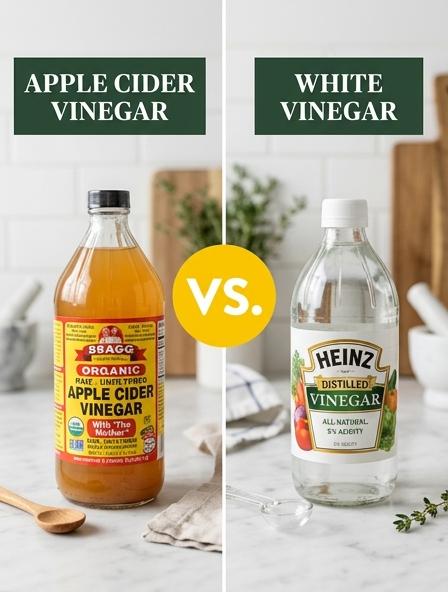
The sensory difference between apple cider vinegar (ACV) and white vinegar is defined by their origin and acetic acid delivery. White vinegar is prized for its sharp, neutral profile, providing a clean acidic punch that highlights other ingredients without adding its own flavor. In contrast, apple cider vinegar offers a more mellow intensity with distinct fruity undertones and a subtle sweetness derived from fermented apple juice.
- White Vinegar: Best for a bright, aggressive tang and preserving the vibrant colors of light vegetables.
- Apple Cider Vinegar: Ideal for adding depth, complexity, and a rustic amber hue to dressings.
While white vinegar is the standard for a crisp, sharp cucumber salad, you might prefer the nuanced sweetness of apple cider vinegar when whisking together a honey-drizzled vinaigrette for a fall harvest bowl.
Nutritional Composition and Fermentation Derived Benefits
The distinction between Apple Cider Vinegar (ACV) and white vinegar begins with their source materials and fermentation depth. White vinegar is distilled from grain alcohol, resulting in a high acetic acid concentration with negligible nutritional value. Apple Cider Vinegar, however, is crafted from crushed apples, undergoing a dual-fermentation process that preserves bioactive compounds.
| Feature | White Vinegar | Apple Cider Vinegar |
|---|---|---|
| Key Component | Acetic Acid (5-10%) | "The Mother" (Enzymes) |
| Nutrients | Minimal | Potassium & Polyphenols |
While white vinegar is prized for its antimicrobial strength in heavy-duty cleaning, ACV is celebrated for its probiotic potential. Many wellness seekers start their day by diluting raw ACV in warm water to jumpstart their metabolism, whereas chefs prefer the neutral profile of white vinegar for creating bright, translucent pickling brines.
Leavening Power and Performance in Home Baking
In home baking, both apple cider vinegar (ACV) and distilled white vinegar act as essential acidic catalysts. When these vinegars react with baking soda (sodium bicarbonate), they release carbon dioxide gas, which creates the necessary lift for fluffy cakes, quick breads, and vegan treats. While their leavening strength is nearly identical due to similar acetic acid concentrations, their impact on the final product varies slightly.
- White Vinegar: Offers a sharp, neutral profile and clear color, making it ideal for white cakes or light sponges where color purity is essential.
- Apple Cider Vinegar: Provides a milder acidity and a subtle fruity undertone, which complements spiced or dense batters.
Because they are interchangeable at a 1:1 ratio, the choice usually depends on the flavor complexity of your recipe. Imagine baking a rich vegan chocolate cake; using apple cider vinegar ensures a remarkably airy crumb while adding a hidden depth that perfectly enhances the intensity of the cocoa.
Acidity Strength and Suitability for Preserving Food
For safe food preservation, the acetic acid concentration is the most critical factor. Both white vinegar and apple cider vinegar generally contain 5% acidity, which is the standard required to inhibit bacterial growth in home canning.
- White Vinegar: Offers a sharp, clean taste and clear appearance, making it ideal for maintaining the natural colors of vegetables.
- Apple Cider Vinegar: Provides a mellow, fruity flavor profile but will tint light-colored foods with its amber hue.
While they are often interchangeable in recipes due to similar pH levels, white vinegar is preferred for a neutral profile, whereas apple cider vinegar adds depth to savory preserves. You might choose white vinegar for crisp, bright pickled onions to keep them pearly white, but reach for apple cider vinegar when slow-simmering a spiced fruit chutney.
Visual Clarity and Color Maintenance in Cooking
When choosing between apple cider vinegar (ACV) and white vinegar, the visual outcome of your dish is a critical factor. White vinegar is a distilled, colorless liquid that offers maximum clarity, making it the superior choice for preserving the natural aesthetic of light-colored ingredients.
- White Vinegar: Provides a neutral, transparent base that prevents discoloration in pale foods.
- Apple Cider Vinegar: Contains an amber hue and organic sediment known as "the mother," which can darken or cloud light sauces and brines.
While the fruity notes of ACV are often desired, its brownish tint can make delicate dishes appear muddy. Home cooks prefer using distilled white vinegar when pickling red onions or cauliflower to ensure the vegetables retain their vibrant, punchy colors and the canning liquid remains crystal clear.
Protein Tenderization and Marinating Efficiency
Both apple cider vinegar (ACV) and white vinegar function as effective denaturants, using acetic acid to break down tough muscle fibers and connective tissues. White vinegar typically features a higher, more consistent acid concentration, making it a high-efficiency choice for rapid tenderization of hardy meats like flank steak or game.
- White Vinegar: Best for short, intense marinating cycles where structural breakdown is the primary goal.
- Apple Cider Vinegar: Offers a gentler enzymatic process, ideal for delicate proteins that require longer soak times without becoming mushy.
While white vinegar offers raw power, ACV provides a balanced pH that infuses subtle fruity esters into the fibers. Home chefs particularly love using an apple cider vinegar base for overnight pulled pork marinades to achieve that signature "fall-off-the-bone" tenderness with a hint of sweetness.
Enzyme Presence and General Health Considerations
The fundamental difference between apple cider vinegar (ACV) and white vinegar lies in their biological activity. ACV is renowned for containing "the mother," a murky sediment consisting of beneficial enzymes, proteins, and friendly bacteria. Because white vinegar undergoes a rigorous distillation process, it is stripped of these organic components, resulting in a sterile, clear liquid with a higher acetic acid concentration but no enzymatic value.
- Apple Cider Vinegar: Rich in raw enzymes and probiotics that support gut microbiome health.
- White Vinegar: Highly acidic and antimicrobial, making it ideal for laboratory-grade disinfection rather than internal wellness.
From a health perspective, ACV is considered a "living" food, whereas white vinegar is a purified chemical compound. Many health enthusiasts prefer the holistic approach of stirring a tablespoon of cloudy, unfiltered ACV into a glass of water each morning to help balance digestion and stabilize blood sugar levels before a heavy meal.
High Temperature Stability and Reduction Behavior
Thermal stability and reduction behavior differ significantly between these two liquids due to their chemical compositions. Distilled white vinegar is the gold standard for high-heat stability; its lack of residual sugars and proteins means it can be boiled or used in high-pressure canning without losing its sharp acidity or developing off-flavors.
Apple Cider Vinegar (ACV) reacts differently under heat. Because it contains natural fruit sugars and organic sediment (the "mother"), ACV is prone to caramelization and complex flavor development during reduction. While this makes it excellent for sauces, these same components can scorch if subjected to prolonged, intense heat.
- White Vinegar: Maintains a consistent pH and clarity in high-heat preservation.
- Apple Cider Vinegar: Ideal for slow-simmered reductions where a syrupy texture is desired.
Many home cooks prefer reducing apple cider vinegar into a thick, tangy glaze to drizzle over roasted sweet potatoes or grilled pork chops for a gourmet finish.
Price Comparisons and Pantry Versatility
Choosing between apple cider vinegar (ACV) and white vinegar often comes down to your budget and intended use. White vinegar is significantly more affordable, as it is industrially produced through the distillation of grain alcohol. In contrast, ACV commands a higher price point due to the two-step fermentation process of crushed apples, which yields its characteristic amber color and complex enzymes.
| Vinegar Type | Relative Cost | Best Pantry Use |
|---|---|---|
| White Vinegar | Budget-friendly | Pickling & Cleaning |
| Apple Cider Vinegar | Premium | Salads & Marinades |
While white vinegar is the undisputed king of high-volume tasks like pickling or neutralizing odors, ACV is the preferred choice for adding a mellow, fruity acidity to culinary recipes. Many home cooks love the efficiency of using white vinegar to descale their coffee makers while reserving a premium bottle of ACV for a zesty, gut-friendly morning tonic.
Aromatic Qualities and Presence in Finished Meals
The sensory impact of apple cider vinegar versus white vinegar determines the final character of a dish. Apple cider vinegar offers a complex, fruity aroma and a subtle sweetness derived from fermented apple juice. Its presence is often mellow, contributing a warm, brownish hue and a rounded tartness to recipes. In contrast, white vinegar provides a sharp, neutral, and aggressive acidic punch. Because it lacks fruity esters, it cuts through heavy fats without altering the specific flavor profile of other ingredients.
- Apple Cider Vinegar: Best for depth, fruity undertones, and mild tang.
- White Vinegar: Best for structural acidity, clarity, and bold preservation.
You might prefer the golden, autumnal notes of apple cider vinegar for a homemade honey-mustard dressing, while opting for the crisp, clean bite of white vinegar when you want to make the colors of quick-pickled red onions pop on a street taco.
Apple Cider Vinegar vs White Vinegar source and external links
- Apple cider vinegar is a fermented liquid made from crushed apples that is widely used for culinary purposes and its potential health benefits.
- Consisting mainly of acetic acid and water, white vinegar is a versatile household staple frequently utilized for both sanitizing and food preservation.