
Apple Cider Vinegar vs Rice Vinegar: Comparing Acidity Levels, Flavor Profiles, and Health Benefits Differences
Acidity Levels and Their Effect on Salad Dressings
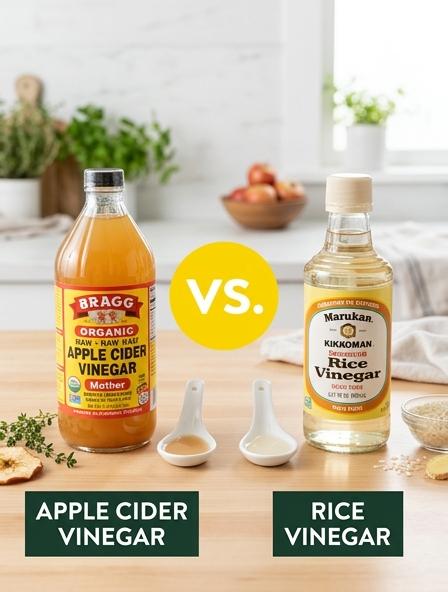
Acidity is the primary differentiator between apple cider vinegar (ACV) and rice vinegar, significantly impacting the flavor balance of a vinaigrette. ACV typically boasts a higher acidity level, usually around 5% to 6%, offering a sharp, tangy punch that effectively cuts through heavy oils and fats. In contrast, rice vinegar is gentler, often hovering around 4% acidity, resulting in a smoother profile that does not overpower subtle ingredients.
- Apple Cider Vinegar: 5-6% Acidity (Robust, tart, and fruity).
- Rice Vinegar: 4% Acidity (Mild, clean, and slightly sweet).
This difference in concentration dictates how much oil or sweetener is required to achieve a harmonious blend. You might reach for the bold zing of apple cider vinegar when preparing a hearty autumn grain bowl, while opting for the delicate touch of rice vinegar for a light, chilled cucumber salad where a subtle tang is preferred.
Probiotic Differences in Fruit Versus Grain Fermentation
The microbial landscape of vinegar is primarily dictated by its fermentation substrate. Apple Cider Vinegar (ACV) is derived from crushed fruit, where wild yeasts and Acetobacter species convert fructose into acetic acid. Raw ACV is characterized by "the mother," a complex biofilm of beneficial bacteria, proteins, and enzymes. Conversely, Rice Vinegar involves a grain-based process where starches must first be converted to sugars using molds like Aspergillus oryzae.
- Fruit-Based (ACV): High in malic acid and typically bottled raw to preserve live probiotic cultures.
- Grain-Based (Rice): Focuses on a clean acetic acid profile; often pasteurized, which removes most active microbes.
While both vinegars support metabolic health, fruit-derived varieties generally offer a more diverse array of live microorganisms. You might reach for raw ACV to create a probiotic-rich morning tonic for gut health, whereas a chef would choose the subtle, filtered profile of rice vinegar to perfectly season sushi rice without altering its color.
Flavor Profile Variations in Stir Fry and Braised Dishes
In the realm of stir-fries and braised dishes, the choice between rice vinegar and apple cider vinegar (ACV) significantly alters the final taste. Rice vinegar is prized for its mild, clean, and slightly sweet character, allowing the delicate aromatics of ginger and garlic to shine. In contrast, apple cider vinegar carries a more pronounced, fruity acidity that adds a rustic tang to heavier preparations.
- Rice Vinegar: Offers a mellow acidity (usually 4%) that balances salty soy sauces in quick stir-fries.
- Apple Cider Vinegar: Provides a sharper bite and a hint of apple, which helps tenderize tough fibers in long-simmering braises.
While professional chefs reach for rice vinegar to achieve a traditional glaze on General Tso's chicken, many home cooks love using apple cider vinegar to provide a refreshing, bright contrast when braising rich, fatty cuts like pork belly or short ribs.
Protein Tenderizing Capabilities for Meat Preparation
Both apple cider vinegar and rice vinegar act as chemical tenderizers by denaturing meat proteins. The acetic acid within these liquids breaks down tough connective tissues and muscle fibers, increasing moisture retention and improving mouthfeel. However, their potency varies based on acidity levels and flavor profiles.
- Apple Cider Vinegar: Generally more acidic (5-6%), making it highly effective for breaking down dense collagen in tough cuts of beef or pork.
- Rice Vinegar: Milder acidity (around 4%), providing a gentler tenderizing effect that prevents delicate proteins from becoming over-processed.
While both are versatile, home cooks often choose apple cider vinegar for a tangy, slow-cooked pulled pork to ensure the meat falls apart effortlessly, whereas chefs prefer rice vinegar for a quick ginger-chicken marinade to maintain a silky texture without overpowering the dish.
Visual Impact on the Clarity of Sauces and Glazes
The choice between apple cider vinegar and rice vinegar significantly alters the aesthetic finish of culinary liquids. Apple cider vinegar typically presents a warm, amber hue. If using an unfiltered variety containing "the mother," it can introduce a slight cloudiness or sediment to the mixture. Conversely, rice vinegar is prized for its transparent, nearly colorless profile, allowing the natural colors of other ingredients to shine without interference.
- Apple Cider Vinegar: Best for rustic, dark, or opaque sauces where a golden tint or matte finish is acceptable.
- Rice Vinegar: Essential for high-gloss glazes and light dressings requiring a "mirror-like" clarity.
Culinary professionals often prefer rice vinegar when crafting a crystal-clear sweet and sour glaze for delicate shrimp to ensure the vibrant pink of the seafood remains the primary visual focal point.
Nutritional Density and Caloric Values
When comparing apple cider vinegar (ACV) and rice vinegar, both stand out as low-calorie flavor enhancers suitable for most diets. Apple cider vinegar is derived from fermented apple juice, which contributes trace amounts of potassium and antioxidants. Unfiltered varieties also contain the "mother," a colony of beneficial bacteria and enzymes. Rice vinegar, produced from fermented rice, is similarly caloric-light but generally contains fewer micronutrients and minerals than fruit-based vinegars.
| Feature (per tbsp) | Apple Cider Vinegar | Rice Vinegar |
|---|---|---|
| Calories | ~3 kcal | ~0-5 kcal |
| Key Components | Potassium, Acetic Acid | Acetic Acid, Amino Acids |
| Sugar Content | Near Zero | Low (unless seasoned) |
You might reach for apple cider vinegar to kickstart your morning digestion with a diluted tonic, whereas the mellow, clean profile of rice vinegar is what people love for balancing a quick pickled cucumber salad.
Effectiveness for Preservation and Quick Pickling
When choosing between apple cider vinegar (ACV) and rice vinegar for preservation, acidity is the primary factor. For long-term water bath canning, ACV is the preferred choice because it typically contains 5% acidity, the safety threshold required to inhibit bacterial growth. Conversely, many rice vinegars only reach 4% acidity, making them unsuitable for shelf-stable preservation unless explicitly labeled as 5%.
- Apple Cider Vinegar: Best for hearty pickles; adds a mellow, fruity undertone but may darken light-colored produce.
- Rice Vinegar: Ideal for quick pickling; offers a clean, sweet finish that maintains the natural color of the vegetables.
For quick pickling, where safety is managed by refrigeration rather than high acidity, both vinegars excel. Home chefs frequently reach for rice vinegar when making quick-pickled red onions to achieve a bright pink pop and a mild, sushi-restaurant-style tang that doesn't overpower the delicate crunch.
Evaporation Rates and Scent Profiles in High Heat
When subjected to high temperatures, both apple cider vinegar (ACV) and rice vinegar experience rapid acetic acid evaporation. However, their chemical compositions create distinct aromatic experiences. ACV, derived from fermented apples, releases a pungent, tart, and fruity scent that intensifies as it reduces. In contrast, rice vinegar undergoes a cleaner evaporation process, leaving behind a subtle, mellow sweetness that is far less intrusive to the senses.
| Vinegar Type | Volatility | Aromatic Result |
|---|---|---|
| Apple Cider | High | Sharp, bold, and fruity lingering notes |
| Rice Vinegar | Moderate | Soft, delicate, and slightly sweet finish |
Home cooks often prefer using rice vinegar for high-heat stir-frys to ensure the light, sugary aroma enhances the dish without overwhelming the kitchen with a heavy fermented scent.
Blood Sugar Management Through Dietary Acid Intake
Both apple cider vinegar (ACV) and rice vinegar rely on acetic acid to modulate the body's glycemic response. This active component works by inhibiting the enzymes responsible for breaking down starches and slowing the rate of gastric emptying. Consequently, the bloodstream absorbs glucose more gradually, preventing the sharp insulin spikes often associated with high-carb meals.
- Acetic Acid: The primary organic acid in both vinegars that improves insulin sensitivity.
- Starch Digestion: Acids interfere with alpha-amylase activity, reducing sugar conversion.
- Metabolic Impact: Regular intake may lower fasting glucose levels over time.
While ACV is prized in wellness circles for its raw enzymes, rice vinegar provides a gentler flavor profile that blends seamlessly into savory dishes. You might prefer whisking rice vinegar into a light cucumber salad or sipping a diluted apple cider vinegar tonic before a carb-heavy dinner to ensure your energy levels remain stable throughout the night.
Tangy Profile Influence on Cold Summer Salads
The choice between apple cider vinegar and rice vinegar fundamentally shifts the flavor landscape of cold summer salads. Apple cider vinegar brings a robust, fruity tartness that cuts through heavy ingredients, while rice vinegar offers a delicate, mellow sweetness that enhances without overpowering.
- Apple Cider Vinegar: High acidity with earthy undertones; best for rustic slaws and grain-based salads.
- Rice Vinegar: Lower acidity with a clean finish; ideal for cucumber ribbons and Asian-inspired vinaigrettes.
While both provide necessary brightness, their chemical profiles interact differently with fresh produce. Apple cider vinegar tends to macerate tough greens like kale more effectively, whereas rice vinegar preserves the crunch of snap peas and radishes. You might find that whisking rice vinegar into a chilled sesame noodle salad provides that perfect hint of zing without masking the fragrance of fresh cilantro and ginger.
Apple Cider Vinegar vs Rice Vinegar source and external links
- Apple cider vinegar is a fermented liquid made from crushed apples that is frequently used in salad dressings, food preservation, and various home remedies. Learn more about the properties of Apple Cider Vinegar.
- Rice vinegar is a mild, slightly sweet condiment made from fermented rice that serves as a foundational ingredient in many Asian culinary traditions. Read more about the production of Rice Vinegar.