
Apple Cider Vinegar vs Balsamic Vinegar: Comparing Acidity, Flavor, and Health Impact Differences.
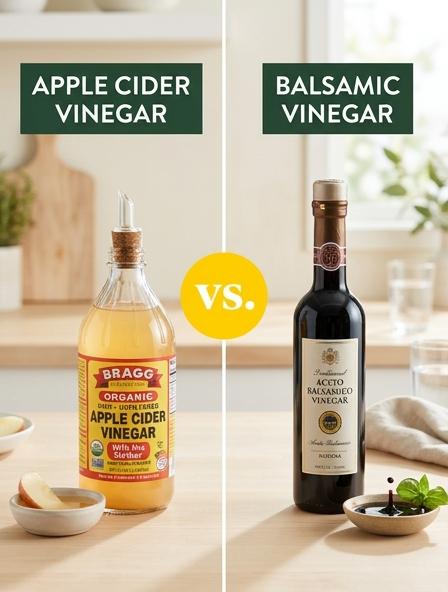
Acidity Levels and Digestive Health Impact
Both apple cider vinegar (ACV) and balsamic vinegar typically feature acidity levels ranging from 5% to 6%. While their pH levels are similar, their impact on digestive health differs based on their fermentation origins and bioactive compounds. ACV is prized for its "mother," a colony of beneficial bacteria, whereas balsamic vinegar is rich in grape-derived antioxidants.
| Vinegar Type | Primary Acid | Key Digestive Benefit |
|---|---|---|
| Apple Cider | Acetic Acid | Supports gut microbiome via probiotics |
| Balsamic | Acetic Acid | Stimulates pepsin for protein digestion |
ACV is frequently used to increase stomach acid, which aids in breaking down heavy proteins and reducing reflux. Balsamic vinegar, though higher in natural sugars, contains polyphenols that may reduce oxidative damage in the gut. Wellness enthusiasts often drink a diluted tablespoon of ACV before a large meal to prevent post-dinner bloating and improve overall nutrient absorption.
Flavor Profiles in Savory and Sweet Dishes
The culinary distinction between apple cider vinegar (ACV) and balsamic vinegar lies in their balance of acidity and sweetness. Apple cider vinegar offers a sharp, crisp, and fruity tang that provides a "clean" acidic lift, making it ideal for cutting through heavy fats. Conversely, balsamic vinegar features a complex, mellow profile with deep notes of molasses, fig, and wood, resulting from its aging process in wooden barrels.
| Feature | Apple Cider Vinegar | Balsamic Vinegar |
|---|---|---|
| Taste | Tart, bright, acidic | Sweet, syrupy, rich |
| Best For | Deglazing, pickling, vinaigrettes | Glazes, reductions, finishing |
Home cooks typically use apple cider vinegar to add a zesty punch to tangy coleslaw or pulled pork, while foodies love drizzling a thick balsamic reduction over fresh strawberries and creamy vanilla gelato for a sophisticated dessert.
Caloric Density and Natural Sugar Content
The primary distinction between Apple Cider Vinegar (ACV) and Balsamic Vinegar lies in their caloric and glycemic profiles. ACV is a byproduct of double-fermented apple cider, a process that converts nearly all fruit sugars into acetic acid, resulting in a virtually calorie-free liquid. Conversely, Balsamic vinegar is produced from concentrated grape must, which retains high levels of natural fructose and glucose.
- Apple Cider Vinegar: Roughly 3 calories and 0 grams of sugar per tablespoon.
- Balsamic Vinegar: Between 14 and 40 calories and up to 8 grams of sugar per tablespoon, depending on density and aging.
While ACV is ideal for those following ketogenic or low-glycemic diets, the higher sugar content in Balsamic provides its signature syrupy texture and complex sweetness. You might reach for the sharp, zero-sugar profile of ACV to balance a savory vinaigrette, whereas you would likely prefer a rich, aged Balsamic to glaze roasted peaches or a traditional caprese salad.
Culinary Performance in Reductions and Heat
When exposed to heat, the chemical compositions of Apple Cider Vinegar (ACV) and Balsamic Vinegar create vastly different culinary outcomes. Balsamic Vinegar is the undisputed champion of reductions due to its high natural sugar content. As moisture evaporates, it transforms into a viscous, syrupy glaze with deep, complex notes of caramel and oak.
In contrast, Apple Cider Vinegar has a lower sugar profile and higher perceived acidity. While it excels at deglazing pans to incorporate fond or brightening slow-cooked stews, it will not thicken into a standalone syrup. The heat mellows ACV's sharp bite, making it a more subtle aromatic rather than a structural sauce component.
- Balsamic Vinegar: Ideal for thick glazes and caramelizing onions.
- Apple Cider Vinegar: Best for deglazing, braising liquids, and balancing fatty meats.
Imagine drizzling a thick, warm balsamic glaze over honey-roasted carrots or a wood-fired Margherita pizza to provide that signature sweet-and-tangy finish people love.
Fermentation Methods and Healthful Properties
The primary distinction between apple cider vinegar (ACV) and balsamic vinegar lies in their raw materials and aging processes. ACV is produced through a two-step fermentation of crushed apples, where yeast converts sugars into alcohol, followed by acetic acid bacteria. It is renowned for containing "the mother," a complex of proteins and enzymes. Conversely, authentic balsamic vinegar is crafted from cooked grape must, aged for years in wooden barrels to concentrate its flavor and antioxidant profile.
- Apple Cider Vinegar: High in acetic acid, which may aid in blood sugar regulation and insulin sensitivity.
- Balsamic Vinegar: Rich in polyphenols and antiglycemic properties derived from grapes, supporting heart health.
You might enjoy the sharp, probiotic boost of raw apple cider vinegar in your morning wellness shot, whereas the syrupy sweetness of an aged balsamic is what people love for glazing roasted Mediterranean vegetables.
Visual Contrast and Plating Presentation
When choosing between apple cider vinegar and balsamic vinegar, the visual impact on the dish is a primary consideration for chefs and home cooks alike. Apple cider vinegar typically ranges from a pale straw to a warm amber hue. Because it is often translucent or slightly cloudy, it blends seamlessly into light-colored dressings and marinades without altering the natural colors of the ingredients.
- Apple Cider Vinegar: Subtle, golden, and preserves the vibrant colors of fresh greens and fruits.
- Balsamic Vinegar: Deep, dark brown to near-black with a viscous consistency that creates bold, artistic lines.
In contrast, the rich, opaque intensity of balsamic vinegar provides a striking backdrop against lighter foods like mozzarella or white fish. You can use the dramatic, syrupy dark swirls of a balsamic reduction to turn a simple Caprese salad into a visually stunning, restaurant-quality centerpiece.
Impact on Protein Texture and Tenderness
Both apple cider vinegar (ACV) and balsamic vinegar act as chemical tenderizers by denaturing protein chains and breaking down tough collagen fibers. However, their varying acidity levels and sugar concentrations produce distinct results during the marinating process.
- Apple Cider Vinegar: Its sharp, high acetic acid content penetrates dense fibers quickly. This makes it highly efficient for tenderizing lean poultry or breaking down tough connective tissues in pork.
- Balsamic Vinegar: While acidic, its natural grape sugars provide a buffer. It tenderizes more gently than ACV and aids in Maillard browning, creating a succulent, caramelized surface.
Because ACV is more aggressive, over-marinating can occasionally lead to a mealy texture, whereas balsamic preserves better structural integrity over longer periods. You might prefer a quick ACV brine to brighten and soften grilled chicken, but reach for the balsamic when you want a slow-marinated, melt-in-your-mouth glaze on a premium flank steak.
Storage Stability and Preservation Qualities
Both apple cider vinegar (ACV) and balsamic vinegar possess exceptional shelf stability due to their high acetic acid content, which acts as a natural preservative. While neither strictly requires refrigeration, their storage behaviors differ based on their unique chemical compositions:
- Apple Cider Vinegar: Known for an indefinite shelf life; it may become cloudy or develop "the mother" over time, but its antimicrobial potency remains intact.
- Balsamic Vinegar: Contains higher natural sugar content; while shelf-stable, it is more sensitive to light and heat, which can gradually alter its complex flavor profile.
In preservation contexts, ACV is the industry standard for pickling and brining because its predictable acidity levels effectively inhibit foodborne pathogens. Home cooks often reach for apple cider vinegar when preserving a bumper crop of summer cucumbers, whereas they prefer keeping a tightly sealed balsamic in a cool pantry to ensure its rich, syrupy depth is perfectly preserved for a special occasion drizzle.
Metabolic Health and Glycemic Impact
Both apple cider vinegar (ACV) and balsamic vinegar contain acetic acid, a bioactive compound known to improve insulin sensitivity and reduce postprandial blood glucose levels. By slowing the rate at which the stomach empties and inhibiting starch-digesting enzymes, these vinegars help flatten the glucose curve after carbohydrate consumption.
- Apple Cider Vinegar: Typically contains zero sugar, making it the preferred choice for those on ketogenic diets or strict fasting protocols.
- Balsamic Vinegar: Rich in health-promoting antioxidants like polyphenols, though it carries a higher glycemic load due to the natural sugars found in grape must.
While ACV is often viewed as the more potent metabolic tool for weight management, balsamic vinegar provides a more flavorful way to achieve similar antiglycemic effects during meals. You might choose a drizzle of balsamic over a summer salad to balance the sugars in fruit, or opt for a diluted ACV tonic before a high-carb dinner to keep your energy levels stable and prevent a mid-evening crash.
Aroma Profiles in Daily Cooking
The olfactory impact of vinegar can define the character of a dish before the first bite. Apple Cider Vinegar (ACV) and Balsamic Vinegar offer contrasting aromatic experiences based on their base ingredients and fermentation processes:
- Apple Cider Vinegar: Delivers a sharp, tart, and distinctly fruity scent. Its pungent profile is crisp and revitalizing, cutting through heavy aromas.
- Balsamic Vinegar: Features a complex, mellow, and woody bouquet. High-quality varieties offer deep notes of dried fruit and toasted oak due to long-term aging.
While ACV's acidity is immediate and piercing, Balsamic's fragrance is more integrated and sugary. These profiles dictate their utility in the kitchen, where ACV acts as a brightener and Balsamic functions as a depth-enhancer. You might find yourself reaching for the zesty, fermented tang of apple cider vinegar for a quick pickled slaw, whereas the rich, syrupy perfume of balsamic is what people love most when drizzled over roasted strawberries or a savory glaze.
Apple Cider Vinegar vs Balsamic Vinegar source and external links
- Apple cider vinegar is a fermented liquid made from crushed apples that is widely used in culinary recipes and various traditional health remedies. Learn more about Apple Cider Vinegar.
- Balsamic vinegar is a dark, concentrated, and intensely flavored vinegar originating from Italy that is traditionally crafted from grape must. Learn more about Balsamic Vinegar.