
Apple Cider Vinegar vs Apple Vinegar : Comparing Nutritional, Flavor, and Production Differences
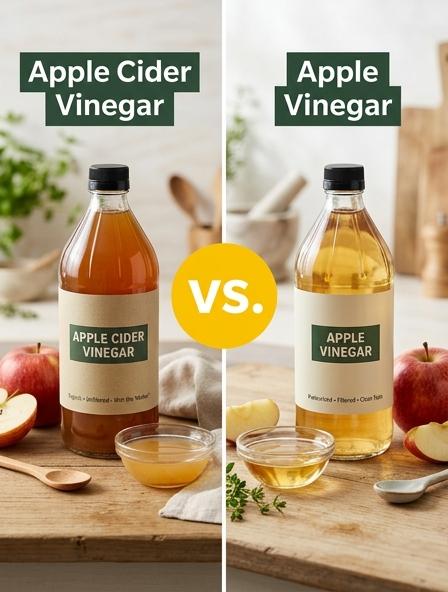
Nutritional Comparison of Apple Cider Vinegar and Apple Vinegar
While often used interchangeably, their nutritional profiles differ based on processing. Apple cider vinegar is typically raw and unfiltered, retaining "the mother"-a complex structure of beneficial bacteria, proteins, and enzymes. In contrast, standard apple vinegar is usually filtered and pasteurized, creating a clear liquid that lacks these bioactive sediments but maintains similar acetic acid concentrations.
| Feature | Apple Cider Vinegar | Apple Vinegar |
|---|---|---|
| "The Mother" | Present (Raw) | Generally Absent |
| Appearance | Cloudy/Amber | Clear/Translucent |
| Probiotics | High | Minimal |
Both varieties offer trace minerals like potassium and antioxidants, though the raw fermentation of cider vinegar yields a more complex nutritional matrix. You might prefer reaching for the cloudy, nutrient-dense cider vinegar when crafting a morning wellness tonic, while choosing the clear apple vinegar for a sharp, clean finish in your favorite pickling recipes.
Flavor Profile Differences in Apple Cider Vinegar and Apple Vinegar
The primary distinction in taste between apple cider vinegar (ACV) and standard apple vinegar stems from the fermentation depth and filtration process. ACV, particularly raw and unfiltered versions, boasts a robust, complex, and pungent profile with deep earthy undertones. In contrast, basic apple vinegar is often filtered and pasteurized, resulting in a cleaner, sharper, and more straightforward acidic bite.
- Apple Cider Vinegar: Tangy, cloudy, and slightly fruity with a distinct yeasty finish.
- Apple Vinegar: Bright, clear, and intensely sour without the "mother" sediment.
While both provide the necessary acidity for culinary use, ACV is prized for its "alive" character, whereas apple vinegar is ideal for recipes where a clear appearance and simple tartness are necessary. You will likely enjoy the bold, rustic tang of raw ACV in a gut-healthy morning tonic, whereas the crisp clarity of apple vinegar is perfect for delicate light pickling brines.
Impact of Apple Cider Vinegar and Apple Vinegar on Healthy Cooking
Understanding the distinction between apple cider vinegar (ACV) and standard apple vinegar is crucial for mastering healthy flavor profiles. While both provide acidity, ACV is typically unfiltered and contains "the mother," which adds beneficial enzymes and a complex, earthy depth. In contrast, basic apple vinegar is usually filtered and pasteurized, resulting in a sharper, cleaner taste that is less likely to alter the color of your ingredients.
- Apple Cider Vinegar: Best for raw applications like vinaigrettes and health tonics to preserve its probiotic properties.
- Apple Vinegar: Ideal for pickling, poaching, and baking where a neutral, bright acidity is desired without sediment.
Home cooks love whisking raw apple cider vinegar into a honey-mustard glaze to provide a zesty, probiotic-rich finish to a roasted beet and arugula salad.
Acidity Levels and Performance in Apple Cider Vinegar and Apple Vinegar
Understanding the distinction between apple cider vinegar (ACV) and standard apple vinegar is essential for culinary and health applications. While both products typically maintain a consistent acidity level of 5% to 6% acetic acid, their performance varies significantly based on processing methods. Apple cider vinegar is often unfiltered, retaining the "mother"-a complex of beneficial proteins, enzymes, and bacteria. In contrast, standard apple vinegar is frequently filtered and pasteurized to achieve a clearer appearance and a more neutral flavor profile.
- Apple Cider Vinegar: High enzymatic activity; ideal for wellness tonics and gut health.
- Apple Vinegar: Clean, sharp profile; excellent for pickling and bright dressings.
You might prefer the cloudy, nutrient-dense cider variety for your daily wellness shot, while choosing the crisp, filtered version to ensure your homemade pickles remain perfectly translucent and sharp.
Baking Results with Apple Cider Vinegar Versus Apple Vinegar
In the kitchen, understanding the distinction between apple cider vinegar (ACV) and standard apple vinegar is key to achieving the perfect crumb. Both liquids act as essential acidulants that react with baking soda to produce carbon dioxide, ensuring your baked goods rise. However, their impact on the final flavor profile varies:
- Apple Cider Vinegar: Usually unfiltered and more robust, it adds a subtle, fruity complexity to hearty breads and chocolate-based desserts.
- Apple Vinegar: Often more refined and milder, it provides a clean leavening lift without competing with delicate aromas like vanilla or lemon zest.
While they are largely interchangeable, many home bakers swear by using raw apple cider vinegar when preparing a classic red velvet cake to ensure the cocoa achieves its signature bright hue and a moist, tender texture that guests always rave about.
Fermentation Variations Between Apple Cider Vinegar and Apple Vinegar
The defining difference between these two liquids is found in their microbial journey. Apple cider vinegar (ACV) typically undergoes a rigorous double fermentation process. Initially, yeast digests the natural sugars in crushed apples to create alcohol. In the second stage, Acetobacter bacteria convert that alcohol into acetic acid, frequently retaining "the mother"-a biofilm of beneficial proteins and enzymes.
- Apple Cider Vinegar: Involves a specialized secondary fermentation stage to develop complex flavors and probiotic properties.
- Apple Vinegar: Often refers to a more processed or filtered version that may be pasteurized to remove sediment and biological activity.
The choice often depends on the desired outcome of your recipe. You might reach for cloudy apple cider vinegar to create a wellness tonic every morning, while opting for clear apple vinegar when you need a sharp, acidic punch for pickling cucumbers without altering their vibrant color.
Effect of Apple Cider Vinegar and Apple Vinegar on Salad Dressings
The choice between apple cider vinegar (ACV) and standard apple vinegar significantly influences the flavor profile and texture of a vinaigrette. While both originate from fermented apple juice, their processing creates distinct culinary results:
- Apple Cider Vinegar: Often raw and unfiltered, it contains "the mother," providing a cloudy appearance and a complex, earthy sweetness that balances heavy oils.
- Apple Vinegar: Typically filtered and pasteurized, it offers a sharper, more straightforward acidity and a clear finish, ideal for lighter greens.
While ACV brings a robust, probiotic depth to dressings, refined apple vinegar provides a crispness that doesn't overpower delicate ingredients. You might find that whisking unfiltered apple cider vinegar with local honey and stone-ground mustard creates the perfect tangy emulsion for a hearty autumn kale salad.
Visual Clarity of Apple Cider Vinegar and Apple Vinegar in Recipes
The primary aesthetic difference between these two liquids is dictated by the filtration process. Raw apple cider vinegar is famously cloudy because it retains "the mother"-a complex colony of beneficial bacteria and proteins. Conversely, standard apple vinegar typically undergoes rigorous filtration and pasteurization to achieve a transparent, crystal-clear appearance.
- Apple Cider Vinegar: Characterized by a murky, deep amber hue with visible sediment.
- Apple Vinegar: Defined by a translucent, pale yellow tint and a polished, sediment-free finish.
When selecting an ingredient, consider how the opacity will interact with your other components. While the cloudiness of cider vinegar adds a rustic feel to earthy marinades, most home cooks prefer using clear apple vinegar for bright pickling brines to ensure the vibrant, natural colors of the vegetables remain the focal point of the jar.
Storage Needs for Apple Cider Vinegar and Apple Vinegar
Both Apple Cider Vinegar and Apple Vinegar are naturally shelf-stable due to their high acetic acid content. This acidity acts as a preservative, meaning neither variety requires refrigeration after opening. To maintain the flavor profile and potency-especially for raw apple cider vinegar containing "the mother"-proper environmental control is essential.
- Location: Store in a cool, dark place like a pantry or cellar.
- Light: Keep away from direct sunlight to prevent degradation of the liquid.
- Sealing: Ensure the cap is tightly closed to prevent oxidation and evaporation.
- Temperature: Avoid storage near heat sources like ovens or stovetops.
While sediment may settle at the bottom of unfiltered bottles over time, the vinegar remains safe to consume indefinitely if kept away from moisture. Many health enthusiasts prefer keeping their bottle of organic apple cider vinegar in a reachable kitchen cabinet, ready for a daily wellness shot or to deglaze a pan for a savory dinner sauce.
Production Differences in Apple Cider Vinegar and Apple Vinegar
While both products originate from apples, their manufacturing processes diverge significantly based on the raw materials and the level of refinement.
- Apple Cider Vinegar (ACV): Produced via a double-fermentation process using crushed whole apples or pressed juice. It often remains raw and unfiltered to preserve the "mother," a cloudy colony of beneficial bacteria and enzymes.
- Apple Vinegar: Typically refers to a more processed liquid made from apple scraps, peels, and cores. It is frequently filtered and pasteurized to achieve a clear appearance and high shelf stability.
The primary distinction lies in the source material; ACV relies on the full sugar content of whole fruit juice, whereas generic apple vinegar is often a byproduct of the canning industry. You might reach for raw apple cider vinegar to kickstart your morning wellness routine, while opting for clear apple vinegar for a clean, tangy salad vinaigrette.
Apple Cider Vinegar vs Apple Vinegar source and external links
- Apple cider vinegar is a fermented liquid made from crushed apples that is widely used in cooking, preservation, and various natural health remedies; read more about the benefits of apple cider vinegar.
- Commonly used as a versatile culinary ingredient, apple vinegar is produced through the fermentation of apple juice to create a sharp, acidic condiment.