
Ancho Chili vs Red Chilli : Comparing Heat Intensity, Flavor Profile, and Nutritional Differences
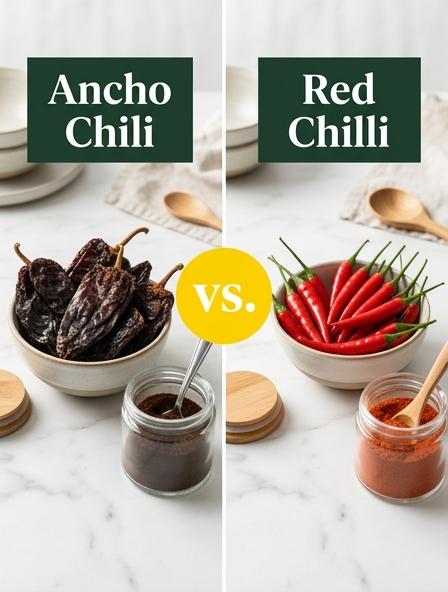
Heat Intensity and Scoville Ratings for Home Cooking
Understanding the Scoville Heat Scale is vital for balancing flavor and fire in your recipes. Ancho chilies, which are dried poblanos, are prized for their mild, sweet, and smoky profile, making them accessible for most palates. Conversely, generic red chilies-such as Cayenne or Thai varieties-provide a sharper, more aggressive pungency that can easily dominate a dish.
| Chili Variety | Scoville Heat Units (SHU) |
|---|---|
| Ancho Chili | 1,000 – 2,000 |
| Red Cayenne | 30,000 – 50,000 |
While the Ancho provides a rich, complex base for sauces, standard red chilies are the preferred choice for those seeking a significant, lingering burn. Home cooks often reach for the mild Ancho to deepen the flavor of a slow-cooked mole, while adding a pinch of crushed red chili flakes to give their Sunday pasta sauce an instant, spicy kick.
Flavor Profile Differences in Family Recipes
In traditional family kitchens, the choice between ancho and red chilies determines the foundational warmth and complexity of a dish. Ancho chilies, which are ripened and dried poblano peppers, deliver a deep, sweet smokiness with distinct notes of raisin and chocolate. In contrast, generic "red chilies" typically refer to brighter, more piquant varieties that offer a sharp, immediate heat and an acidic finish.
- Ancho Chili: Mild heat, rich sweetness, and a dark, leathery texture ideal for thick sauces.
- Red Chili: Higher capsaicin levels, vibrant color, and a crisp spice that cuts through fats.
While anchos provide the velvety base required for authentic moles, red chilies are often preferred for zesty salsas or dry rubs that need a noticeable kick. You will love blending soaked ancho chilies into a slow-cooked beef stew to achieve that classic, dark-maroon depth and subtle smokiness that defines heirloom comfort food.
Nutritional Values and Health Impact for Daily Meals
Comparing Ancho and standard Red chilies reveals distinct wellness benefits. Ancho chilies-dried poblanos-are notably high in fiber and Vitamin A, which are essential for digestive health and vision. In contrast, fresh or dried Red chilies often boast higher levels of capsaicin, the compound responsible for boosting metabolism and providing anti-inflammatory relief.
- Ancho Chili: Rich in antioxidants like lutein; offers a mild heat profile (1,000–1,500 SHU).
- Red Chili: Concentrated Vitamin C; higher capsaicin levels for cardiovascular support.
Both varieties are low-calorie flavor enhancers that replace the need for excessive salt. While Red chilies provide a sharp thermogenic kick, Ancho offers a dense profile of micronutrients with less digestive irritation. Home cooks love whisking rehydrated Ancho paste into a slow-cooked beef stew to achieve a rich, vitamin-packed depth that satisfies the palate without overwhelming spice.
Texture and Consistency Effects on Homemade Sauces
The choice between Ancho and common red chilies fundamentally changes the body of your homemade sauces. Ancho chilies, being dried poblanos, feature a thick, wrinkled flesh that produces a heavy, velvety paste once rehydrated and blended. They function as a natural binding agent, adding significant "heft" to salsas and marinades.
Conversely, many red chili varieties-like the Chile de Árbol-have thinner walls, leading to a more liquid, strainable consistency. While red chilies offer a sharp heat, they lack the pulpy volume of the Ancho. Key differences include:
- Ancho: Creates a rich, jam-like viscosity perfect for heavy glazes.
- Red Chili: Results in a translucent, fluid texture ideal for vinegar-based hot sauces.
You can achieve that professional, coat-the-back-of-the-spoon consistency by blending rehydrated Ancho chilies into your signature Sunday night enchilada sauce.
Visual Presentation and Color Changes in Prepared Dishes
The visual impact of Ancho versus red chilies depends heavily on their pigment density and drying process. Ancho chilies, being dried poblanos, introduce deep, dark mahogany or near-black tones to a recipe. When rehydrated and blended, they create a thick, opaque sauce with an earthy, matte appearance. Conversely, standard red chilies-whether fresh or dried-contribute a bright, translucent crimson that highlights the vibrancy of other ingredients.
| Chili Type | Visual Hue in Sauces |
|---|---|
| Ancho Chili | Dark Chocolate / Deep Brown |
| Red Chili | Vibrant Scarlet / Bright Red |
Professional chefs often choose the Ancho for a sophisticated, midnight-hued mole to convey richness, whereas a bright red chili garnish is the go-to for making a simple pasta dish pop with appetizing color.
Aroma and Scent Variations During Food Preparation
The olfactory profiles of Ancho and standard red chilies diverge the moment they hit heat. Ancho chilies, which are ripened and dried poblanos, exude a rich, complex bouquet often compared to sun-dried raisins, prunes, and mild tobacco. Their scent is warm and comforting rather than sharp. Conversely, generic red chilies usually provide a more pungent, piquant aroma that can irritate the nose, signaling a higher capsaicin concentration and a bright, grassy profile.
- Ancho Chili: Deep, smoky, and sweet fruity notes.
- Red Chili: Sharp, spicy, and acidic undertones.
These distinctions are vital for balancing the fragrance of a dish. You might opt for the leathery, chocolatey aroma of an Ancho when simmering a traditional Mexican mole, whereas a crushed red chili is your go-to for adding a quick, zesty punch to a simmering marinara sauce.
Vitamin Content and Antioxidant Properties for Wellness
Both ancho and red chilies serve as potent sources of bioactive compounds that combat oxidative stress. Ancho chilies, the dried version of poblanos, are particularly rich in Vitamin A and specific carotenoids like lutein and zeaxanthin, which are essential for ocular health and skin integrity. In contrast, fresh red chilies are renowned for their exceptional Vitamin C concentrations, often surpassing citrus fruits by weight, which aids in collagen synthesis and immune defense.
- Ancho Chili: High in Vitamin A (retinol equivalents) and riboflavin.
- Red Chili: Peak levels of Vitamin C and metabolism-boosting capsaicin.
- Commonality: Both contain phenolic acids that neutralize free radicals.
The drying process of anchos concentrates their mineral density, while fresh red varieties provide a more immediate, heat-driven metabolic stimulation.
You might choose the mild, smoky depth of an ancho chili rub for a slow-cooked brisket to maximize nutrient absorption, or toss fresh red chili slices into a quick sauté for a sharp, Vitamin C-packed energy boost.
Skin Thickness and Mouthfeel in Finished Meals
The primary difference between these chilies lies in their physical structure and how they integrate into a dish. Ancho chilies, which are dried poblanos, possess a thick, leathery skin that contributes significantly to the body of a sauce. When rehydrated and blended, they create a dense, jammy mouthfeel. In contrast, most common red chilies have thinner, papery skins that either soften completely or remain as small, spicy flakes.
- Ancho Chili: Fleshy and robust; provides a velvety, rich consistency to liquids.
- Red Chili: Delicate and sharp; focuses on heat delivery rather than building texture.
Because the Ancho's skin is so substantial, it acts as a natural thickener that adds a luxurious weight to complex recipes. You will appreciate the Ancho's thick skin when crafting a slow-cooked beef birria, as it dissolves into a luscious, full-bodied gravy that clings perfectly to every bite of meat.
Moisture Levels and Rehydration Factors in the Kitchen
The primary distinction between ancho and fresh red chilies lies in their water content. Ancho chilies are dried ripened poblanos, resulting in a leathery, wrinkled exterior with minimal moisture. Conversely, fresh red chilies contain high water levels, providing a crisp snap and immediate juice release. When cooking with dried varieties, rehydration is the essential technique used to transform tough skins into a velvety puree.
- Ancho Chilies: These require 20–30 minutes of soaking in hot liquid to soften their fibers and release sweet, raisin-like undertones.
- Fresh Red Chilies: These need no preparation other than slicing, as their natural moisture integrates instantly into stir-frys or salsas.
- Dried Red Chilies: Often smaller and more brittle than anchos, they rehydrate quickly but are frequently toasted first to intensify their sharp heat.
You might enjoy soaking your anchos in hot chicken stock rather than water to infuse a rich, savory depth into your signature Sunday night chili or homemade mole sauce.
Pantry Longevity and Storage Stability for Home Cooks
Understanding the shelf life of Ancho versus generic dried Red Chilies is essential for maintaining flavor potency. Ancho chilies are dried poblanos; they retain more natural sugars and a slight moisture content, which can cause them to become brittle or lose their characteristic leathery texture if exposed to air. In contrast, standard dried Red Chilies (such as de Árbol or Cayenne) are typically leaner and more resilient against oxidation.
- Ancho Chili: Best used within 6–9 months to maintain its fruity, smoky profile.
- Red Chili: Often retains heat and vibrant color for up to 12 months when kept whole.
- Storage Tip: Both varieties should be stored in airtight glass jars away from direct sunlight and stove heat.
Many home cooks love keeping whole Ancho pods in a sealed bag in the freezer to ensure that when they finally decide to make a slow-simmered Sunday mole, the peppers remain supple and aromatic for a perfect blend.
Ancho Chili vs Red Chilli source and external links
- The Ancho chili is a dried version of the poblano pepper, celebrated for its mild heat and rich, smoky sweetness in Mexican cuisine.
- Commonly used to add heat to dishes, the Red Chilli is a ripened pepper known for its vibrant color and pungent spice levels.