
All-Purpose Flour vs. Bread Flour: The Differences in Protein Content, Gluten Development, and Crumb Structure
Protein Concentration and Its Role in Dough Strength
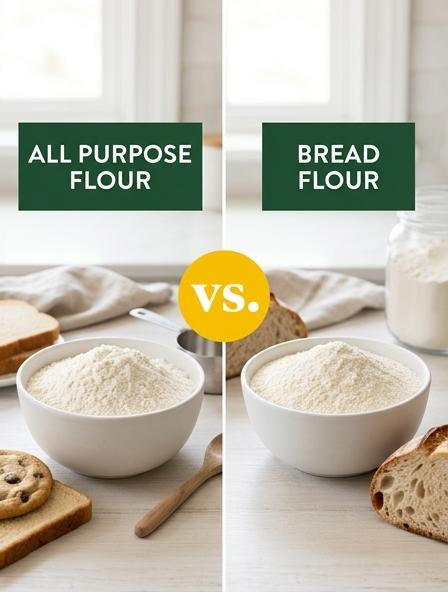
The fundamental distinction between all-purpose and bread flour is their protein content, which directly dictates the development of gluten. When hydrated and kneaded, proteins-specifically glutenin and gliadin-form an elastic network that gives dough its structural integrity.
- All-Purpose Flour: Contains 10-12% protein, providing enough strength for cookies and cakes while maintaining tenderness.
- Bread Flour: Contains 12-14% protein, engineered to create a rigorous gluten matrix that withstands long fermentation.
Higher protein levels allow the dough to trap carbon dioxide more efficiently, resulting in a superior rise and a characteristic chewy texture. This structural "muscle" is vital for supporting heavy ingredients like seeds or fats without the loaf collapsing. You will reach for bread flour when you want to achieve that professional, high-domed artisanal sourdough with a resilient crumb and a satisfyingly crisp crust.
Variations in crumb structure and interior texture
The primary difference between all-purpose and bread flour lies in protein content, which directly dictates the final crumb structure. Bread flour, containing roughly 12% to 14% protein, develops a robust gluten network that traps gas bubbles efficiently during fermentation. This creates a distinct contrast in interior textures:
- Bread Flour: Produces a chewy, elastic interior with an open, airy crumb and a significant structural "tug."
- All-Purpose Flour: Yields a finer, tighter crumb with a softer, more tender bite and less resistance.
Because all-purpose flour has lower protein levels (usually 10% to 12%), it produces a weaker gluten matrix, making it ideal for baked goods where a delicate mouthfeel is preferred over a sturdy, rustic rise. You will love using bread flour for a crusty artisan sourdough to achieve those iconic large air pockets, while all-purpose remains the favorite for a velvety, tight-crumbed pound cake.
Gluten Development and the Resulting Chewiness
The primary distinction between all-purpose and bread flour lies in their protein concentrations, which directly dictate the strength of the gluten network. Bread flour typically contains 12% to 14% protein, whereas all-purpose flour averages between 10% and 12%. When liquid is added and the dough is kneaded, these proteins form elastic strands. The higher protein content in bread flour creates a more robust, dense matrix that traps carbon dioxide more efficiently during fermentation.
- Bread Flour: High protein leads to intense gluten development and a characteristic "toothy" chew.
- All-Purpose Flour: Lower protein yields a more tender, fragile structure with less resistance.
Ultimately, the amount of gluten determines the final texture: bakers choose bread flour when they want the satisfyingly rubbery pull of an artisanal sourdough boule, while all-purpose remains the standard for a soft, pillowy sandwich loaf.
Impact on Volume and Rising Potential
The primary difference in rising potential between all-purpose and bread flour lies in their protein content. Bread flour typically contains 12% to 14% protein, which is essential for developing a strong, elastic gluten network. This structure effectively traps carbon dioxide bubbles produced by yeast, leading to significant volume and a characteristic chewy texture.
- Bread Flour: Provides high gluten strength, allowing for maximum expansion and an airy internal structure.
- All-Purpose Flour: Contains moderate protein, resulting in a lower rise and a tighter, softer crumb.
Because bread flour can support more weight, it is the superior choice for recipes with heavy inclusions like seeds or whole grains. While all-purpose flour is versatile for cookies and cakes, it often lacks the structural integrity needed for the dramatic "oven spring" seen in professional bakery loaves. You might prefer using bread flour when crafting a tall, artisan sourdough loaf with large air pockets that people love for making gourmet sandwiches.
Effects on Crust Development and Exterior Browning
The primary difference in browning and crust texture stems from protein content. Bread flour contains roughly 12–14% protein, while All Purpose flour typically ranges from 10–12%. This higher protein concentration intensifies the Maillard reaction-a chemical process between amino acids and reducing sugars-resulting in a darker, more complex exterior color during baking.
| Feature | All Purpose Flour | Bread Flour |
|---|---|---|
| Crust Color | Light Golden | Deep Mahogany |
| Texture | Thin and Soft | Thick and Chewy |
Furthermore, the stronger gluten network in bread flour traps more steam initially, but eventually sets into a sturdier, crispier shell. This structural integrity allows for a distinct "shatter" when sliced. You will prefer bread flour when you are striving for that professional, artisan-style crunch and a rich, toasted aroma on your homemade sourdough loaves.
Balancing tenderness and structural support
The fundamental distinction between all-purpose and bread flour is protein content, which determines the strength of the gluten network. Bread flour typically contains 12% to 14% protein, providing the robust structural support necessary for yeasted doughs to capture gases and rise. Conversely, all-purpose flour sits at a moderate 10% to 12% protein, focusing on achieving a delicate balance between strength and tenderness.
| Flour Type | Protein % | Primary Benefit |
|---|---|---|
| All-Purpose | 10% - 12% | Tender Crumb |
| Bread Flour | 12% - 14% | Chewy Texture |
You might choose bread flour when building the tall, airy crumb of a rustic sourdough, but prefer all-purpose flour when you want your weekend blueberry muffins to remain light and crumbly.
Water absorption and moisture levels
The primary differentiator between all-purpose and bread flour regarding moisture is protein content. Bread flour contains higher levels of protein-typically 12% to 14%-which acts like a sponge, absorbing significantly more liquid than all-purpose flour, which ranges from 10% to 12%. This increased water absorption is essential for hydrating the glutenin and gliadin proteins, leading to the strong, elastic gluten network required for chewy textures.
| Flour Type | Protein Range | Hydration Capacity |
|---|---|---|
| All-Purpose | 10% – 12% | Moderate |
| Bread Flour | 12% – 14% | High |
If you find your sourdough starter feels too runny when using all-purpose flour, switching to bread flour will help the dough hold its shape and achieve that perfectly airy, structured crumb that bakers love.
Nutritional Profiles and Dietary Impact
The primary nutritional distinction between all-purpose flour and bread flour lies in their protein concentration. Bread flour is milled from hard wheat and typically contains 12% to 14% protein. In contrast, all-purpose flour uses a blend of hard and soft wheat, resulting in a lower protein content of approximately 10% to 12%. While their caloric and carbohydrate counts are nearly identical, the higher protein in bread flour facilitates stronger gluten networks, which can slightly alter glycemic response and satiety levels.
| Feature | All-Purpose Flour | Bread Flour |
|---|---|---|
| Protein Content | 10% – 12% | 12% – 14% |
| Gluten Strength | Moderate | High |
| Best Use | Cakes, cookies, pastries | Yeasted breads, bagels |
Artisan bakers typically reach for bread flour when they want to achieve that signature chewy texture and high-rising structure found in professional-grade sourdough boules.
Dough elasticity and kneading requirements
The primary distinction between these flours lies in their protein content, which directly impacts gluten formation. Bread flour, typically containing 12-14% protein, creates a robust and highly elastic dough. This high protein level necessitates more intensive kneading to properly align gluten strands into a strong network capable of trapping gases.
All-purpose flour has a lower protein range (10-12%), resulting in a more extensible but less "bouncy" dough. While it requires less physical effort to reach a smooth consistency, it lacks the structural integrity needed for high-rise loaves.
- Bread Flour: Superior elasticity; requires longer, vigorous kneading to build strength.
- All-Purpose Flour: Balanced elasticity; quicker to develop but more prone to tearing under tension.
If you are aiming for a chewy, artisanal sourdough with a dramatic oven spring, bread flour provides the necessary tension that home bakers love.
Storage Stability and Pantry Shelf Life
Both All-Purpose (AP) and Bread Flour are refined white flours, meaning the bran and germ have been removed during milling. This process significantly extends their shelf life compared to whole-grain varieties. Generally, both types remain shelf-stable for 6 to 12 months when stored in a cool, dry pantry. To maximize freshness, consider these best practices:
- Use airtight containers to block moisture and pests.
- Keep flour away from direct sunlight and heat sources.
- Store in the freezer to extend usability for up to two years.
While bread flour contains more protein, it shares nearly identical oxidation rates with AP flour. However, humidity remains the primary enemy, as it can lead to clumping or a musty odor over time. Many home bakers prefer keeping their bread flour in labeled, sealed glass jars on a cool shelf to ensure it remains pristine for a spontaneous weekend sourdough bake.
All Purpose Flour vs Bread Flour source and external links
- All-purpose flour is a versatile wheat flour used for a wide variety of baked goods ranging from cookies to pie crusts. All Purpose Flour
- Bread flour contains a higher protein content designed to produce more gluten for the strong, chewy texture required in yeast breads. Bread Flour