
Acorn Squash vs Kabocha : Comparing Flavor, Texture, and Nutritional Differences
Natural Sweetness and Flavor Profiles
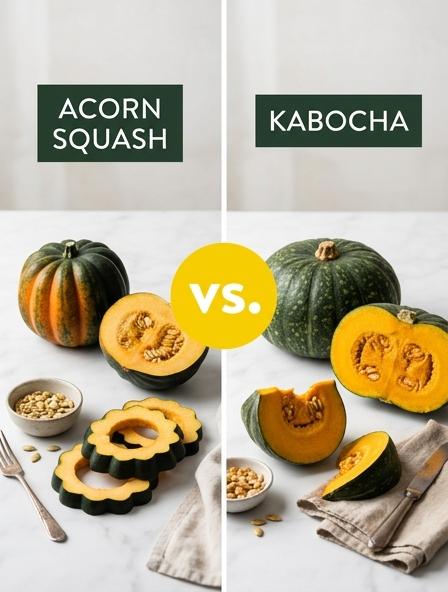
When comparing Acorn squash and Kabocha, the primary distinction lies in their sugar concentration and palate depth. Acorn squash provides a mild, buttery profile with subtle nutty undertones. Its sweetness is restrained, making it a versatile canvas for savory seasonings like sage or rosemary. Conversely, Kabocha is celebrated for its intense, dessert-like sweetness and rich flavor that mimics a blend of pumpkin and sweet potato.
| Feature | Acorn Squash | Kabocha Squash |
|---|---|---|
| Sweetness Level | Mild and Mellow | Deep and Intense |
| Primary Notes | Nutty, Peppery | Earthy, Chestnut-like |
You might prefer roasting Kabocha wedges with just a pinch of sea salt to let its natural, fudge-like richness shine as a standalone autumn treat.
Textural Variations After Roasting
Roasting reveals distinct structural differences between these two popular winter squashes. Acorn squash is characterized by its higher moisture content, which results in a tender, fibrous, and slightly stringy flesh. While it holds its iconic scalloped shape well, it lacks the density found in other varieties.
In contrast, kabocha is celebrated for its remarkably dense and starchy composition. When roasted, its texture transforms into a velvety, fudge-like consistency often compared to a cross between a floury sweet potato and a roasted chestnut.
- Acorn Squash: Light, moist, and slightly grainy; best for holding fillings.
- Kabocha Squash: Rich, creamy, and dry-sweet; the skin becomes completely tender and edible.
You will likely reach for the kabocha when you crave a hearty, melt-in-your-mouth side dish that feels as substantial as a starch yet remains vibrantly colorful on your dinner plate.
Skin Edibility and Rind Thickness
When comparing acorn squash and kabocha, both varieties stand out because their skins are entirely edible, saving you the hassle of peeling. However, their physical properties differ. Acorn squash has a relatively thin, deeply ribbed rind that softens significantly during roasting. In contrast, kabocha features a much harder, thicker exterior that can be intimidating to slice when raw, but it transforms into a remarkably tender, velvety texture once cooked.
- Acorn Squash: Features a smooth, thin skin that helps the vegetable hold its bowl-like shape when stuffed and baked.
- Kabocha: Possesses a dense, forest-green rind that becomes buttery and rich, often compared to the texture of a roasted chestnut.
Home cooks love roasting unpeeled kabocha wedges until the edges caramelize, as the skin provides a subtle earthy flavor that perfectly complements the sweet, fluffy flesh inside.
Nutrient Density and Vitamin Content
When comparing acorn squash and kabocha, both are nutritional powerhouses, though kabocha generally offers higher nutrient density. Kabocha is exceptionally rich in beta-carotene, which the body converts into Vitamin A to support vision and immune function. Acorn squash, while slightly lower in Vitamin A, provides significant amounts of Vitamin C and potassium, essential for heart health and skin repair.
| Nutrient | Kabocha Squash | Acorn Squash |
|---|---|---|
| Vitamin A | Extremely High | Moderate |
| Fiber | Higher | Moderate |
| Potassium | Good Source | Excellent Source |
Home cooks often choose the dense, nutrient-packed kabocha when crafting a thick, velvety autumnal soup that provides a lasting energy boost and superior satiety.
Caloric Impact and Satiety
When comparing acorn squash and kabocha, the primary difference lies in their density and carbohydrate structure. Acorn squash is generally lower in calories and has a higher water content, making it an ideal choice for those focused on volume eating. In contrast, kabocha is starchier and more calorie-dense per cup, but it offers a significantly higher fiber content which plays a crucial role in appetite regulation.
| Feature | Acorn Squash | Kabocha Squash |
|---|---|---|
| Caloric Density | Lower (~40 kcal/100g) | Higher (~35-50+ kcal/100g) |
| Fiber Content | Moderate | Very High |
| Texture | Moist and Stringy | Dense and Fluffy |
Health-conscious foodies often prefer roasting a batch of kabocha wedges on Sunday evenings to create a filling, fiber-rich base for weekday grain bowls that prevents the dreaded mid-afternoon energy crash.
Moisture Levels and Thickening Properties
When comparing Acorn squash and Kabocha, moisture content is the primary differentiator in how they perform as thickeners. Acorn squash possesses a higher water concentration and a more fibrous texture, which means it tends to hold its shape but can become watery when pureed. Kabocha, conversely, is renowned for its low moisture and high starch content, offering a dense, chestnut-like consistency.
- Acorn Squash: High moisture; best for roasting or stuffing rather than blending.
- Kabocha: Low moisture; acts as a natural thickener due to its high starch levels.
The culinary application depends entirely on these structural traits. While Acorn squash adds a light sweetness to autumn salads, Kabocha's ability to dissolve into a rich paste makes it the superior choice for hearty stews and velvety bisques. You will likely reach for the Kabocha when you want a rib-sticking curry that achieves a luxurious, creamy texture without the need for added heavy cream or flour.
Shelf Life and Storage Requirements
While both are winter varieties, Acorn and Kabocha squash have different storage profiles. Acorn squash has a relatively thin skin, which limits its shelf life to approximately 1 to 2 months. In contrast, the Kabocha squash is much hardier; its thick, tough rind allows it to be stored for 3 to 5 months without losing quality.
To maximize their longevity, follow these storage guidelines:
- Temperature: Keep squash in a cool, dry area (50-55°F).
- Airflow: Ensure good ventilation to prevent moisture buildup and mold.
- Placement: Store them in a single layer rather than stacking them to avoid bruising.
Avoid refrigerating whole squash, as the humidity can cause them to spoil faster. You might prefer buying Kabocha in bulk during the fall harvest so that you have a nutrient-dense ingredient ready for a spontaneous, warming curry on a cold February night.
Glycemic Response and Fiber Ratios
Understanding the glycemic response of winter squashes requires looking at their fiber-to-carbohydrate ratios. While both varieties are nutrient-dense, Kabocha generally provides a more stable blood sugar profile compared to Acorn squash. This difference stems from Kabocha's higher fiber density, which slows the conversion of starches into glucose during digestion.
| Squash Variety | Glycemic Impact | Fiber Content |
|---|---|---|
| Acorn Squash | Moderate | Moderate |
| Kabocha Squash | Lower | High |
Acorn squash contains a slightly higher concentration of natural sugars and less dietary fiber per serving, leading to a faster insulin response. You might prefer roasting Kabocha with the skin on for a hearty, low-glycemic side dish that keeps you feeling full and energized throughout a long afternoon hike.
Preparation Time and Peeling Difficulty
When comparing preparation, the physical structure of these squashes dictates the effort required. Acorn squash is famous for its deep ridges and valleys, which make using a standard vegetable peeler nearly impossible. Most cooks opt to slice it into rings or halves to avoid the frustration of navigating its scalloped exterior.
- Acorn Squash: High peeling difficulty due to shape; skin is edible but can be tough.
- Kabocha Squash: Extremely hard to cut when raw, but the skin is thin and becomes very tender when cooked.
Kabocha typically wins on preparation speed because peeling is unnecessary; the skin integrates seamlessly into dishes. Conversely, Acorn squash requires more finesse if you need smooth, skinless flesh for a puree. You might prefer Kabocha on a busy weeknight when you want to simply chop, toss in oil, and roast without spending ten minutes wrestling with a peeler.
Carbohydrate Composition and Starch Levels
The primary difference between acorn and kabocha squash lies in their starch density and moisture content. Kabocha is significantly more carbohydrate-dense, offering a rich, floury texture similar to a sweet potato. In contrast, acorn squash has a higher water percentage, resulting in a lighter mouthfeel and fewer calories per serving.
- Kabocha Squash: Contains roughly 18-20 grams of carbohydrates per cup, with high starch levels that convert to sugars during maturation.
- Acorn Squash: Provides approximately 15 grams of carbohydrates per cup, making it a preferred choice for volume-focused, lower-glycemic meals.
While acorn squash excels in savory, fibrous dishes, kabocha's complex starches provide a more substantial energy boost and natural sweetness. You might reach for the kabocha when you want to create a thick, velvety soup that satisfies your hunger without needing additional thickeners or heavy creams.
Acorn Squash vs Kabocha source and external links
- The Acorn Squash is a popular winter squash recognized by its distinct longitudinal ridges and sweet, yellow-orange flesh.
- Commonly referred to as a Japanese pumpkin, Kabocha is prized for its remarkably sweet flavor and velvety, starchy texture.
Acorn squash and kabocha offer distinct culinary profiles tailored to specific recipes. Acorn squash features a mild, nutty flavor and a tender, moist texture that excels when roasted or stuffed. In contrast, kabocha-the Japanese pumpkin-delivers an intense sweetness and a dense, velvety consistency similar to roasted chestnuts. Nutritionally, both are fiber-rich powerhouses, yet kabocha often provides higher levels of beta-carotene and Vitamin A. Choosing between them depends on the desired result: acorn squash is perfect for subtle savory sides, while kabocha's starchy, creamy flesh makes it ideal for rich purees and hearty stews. Ultimately, while acorn squash remains a versatile seasonal staple, kabocha's superior richness and dessert-like sweetness offer a more indulgent experience for elevated winter cooking.